Planning and care
Louvered pergola drainage: plan the whole water route
TTH Pergola louvered pergola guide: understand the drainage questions that matter when specifying a louvered pergola, from gutter access to outlet placement.
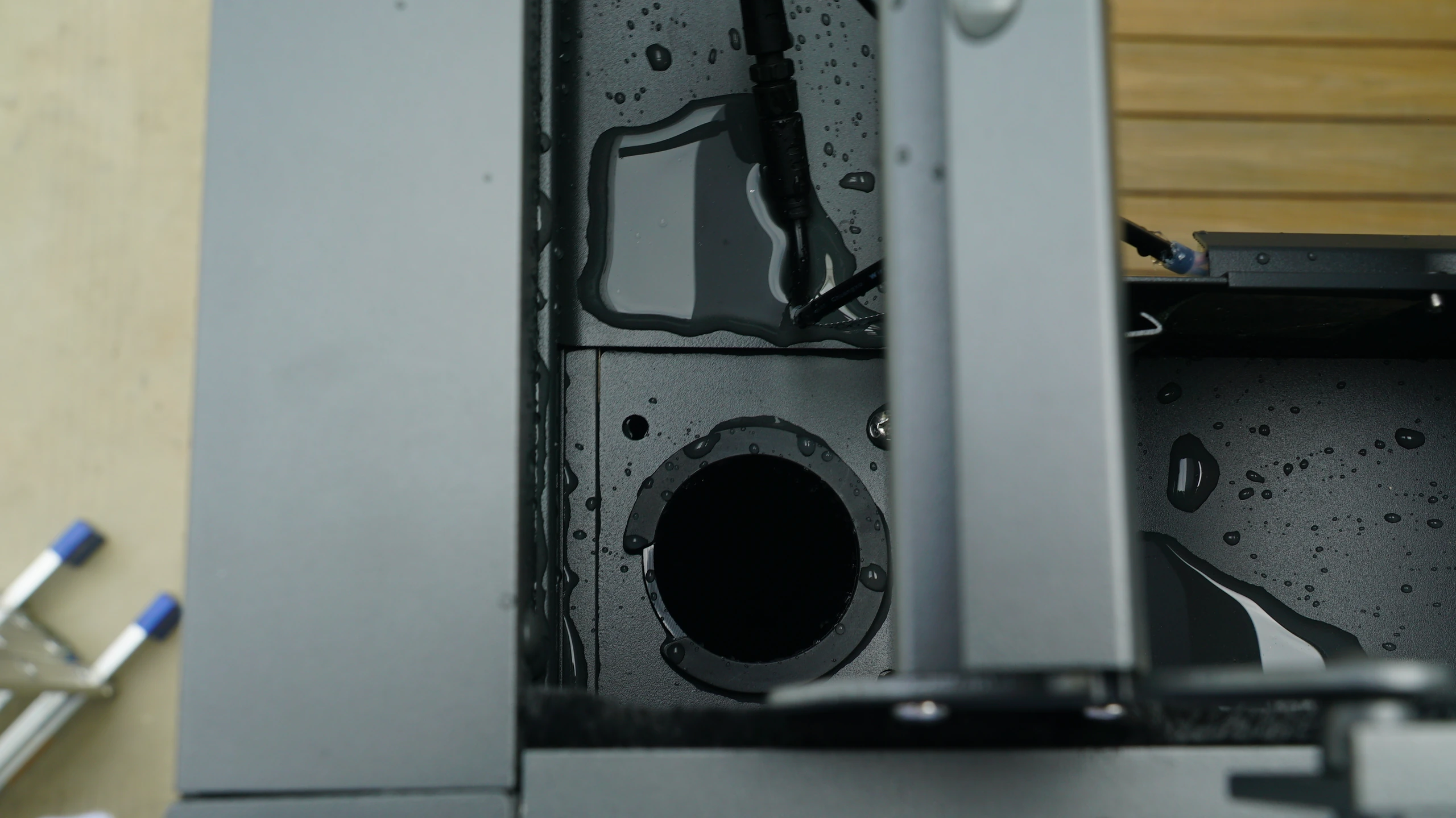
Follow one drop of water through the pergola
It is tempting to judge rain management by watching water disappear from the roof edge. The more useful exercise is to follow its whole route: from the closed blades into the collection channel, through the intended outlet and finally away from the occupied area. If the discharge point lands beside a doorway or on an already low part of the terrace, a neatly concealed roof drain has not solved the site problem. Roof drainage and ground drainage need to be discussed together.
When reviewing a TTH Pergola proposal, mark the outlet positions on the plan alongside furniture, doorways and planted beds. Ask how the relevant passages remain accessible for inspection and cleaning. Photographs of internal drainage openings on tthpergola.com make the component easier to recognise, but the finished route still depends on the selected system and site arrangement. A useful handover demonstration should identify where water is expected to leave and where debris may collect. Avoid treating a brief video in light rain as evidence for every weather condition. Understanding the route gives an owner something practical to observe during ordinary use and a clearer way to describe a problem if water later appears somewhere unexpected.
The outlet is as important as the roof
When planning a louvered pergola, follow the intended water route from the roof to its final discharge point. It is not enough to know that a frame includes drainage features. The location of outlets, the receiving surface and access for cleaning all affect how the space functions. Ask for the drainage arrangement for the selected configuration, and confirm it against the site before the posts and surrounding paving are fixed.
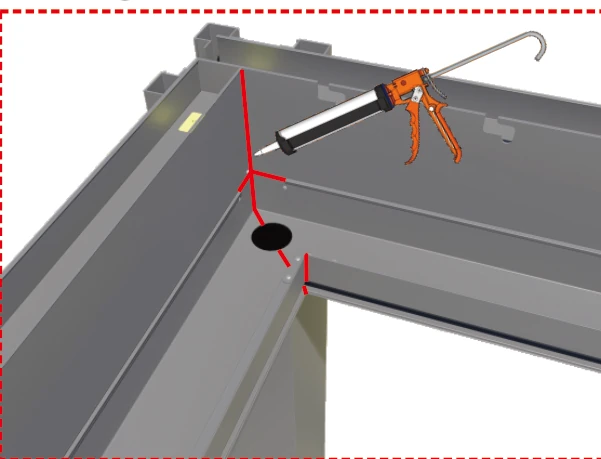
Coordinate water discharge with the terrace layout
An outlet should not be chosen solely because it is visually discreet. Check whether water would be directed across a doorway, onto furniture or into a frequently used walking route. Existing paving levels and nearby drains should be recorded rather than guessed from photographs. Where a connection to site drainage is proposed, have the responsible installer confirm the route and required details. The correct arrangement depends on the actual installation.
Use the handover to check practical details
Ask the installer to explain the intended path of water and show the areas that need regular inspection. A controlled handover check can help identify obvious blockages or misplaced outlets, but it does not establish a certified performance rating. Keep any applicable operating instructions with the product records, including guidance on roof position and use during weather conditions. Do not substitute a general online description for the instructions supplied with the selected system.
| Check | Question to resolve |
|---|---|
| Roof and gutters | Where does collected water travel? |
| Outlet location | Where does water leave the structure? |
| Maintenance access | Which areas can be reached for cleaning? |
| Site drainage | Who confirms the final discharge arrangement? |
Keep the route clear after installation
Leaves, airborne debris and nearby landscaping can change drainage conditions over time. Inspect accessible areas using the supplied maintenance guidance and arrange professional access where required. If water behaves differently from normal, record the roof position, weather and location before requesting support. Clear observations are more useful than a general statement that the pergola leaks, because they help separate roof operation, obstruction and site drainage issues.
Does hidden drainage mean maintenance-free drainage?
No. Concealed passages can still collect debris. Keep to the cleaning and access instructions for the installed TTH configuration, and confirm the intended discharge points rather than blocking or relocating them for appearance alone.