Installation & care
Pergola frame geometry: check the opening before adjusting the screen
Keep frame dimensions, diagonals, levels and accessory-opening records together so installation checks do not rely on visual alignment alone.
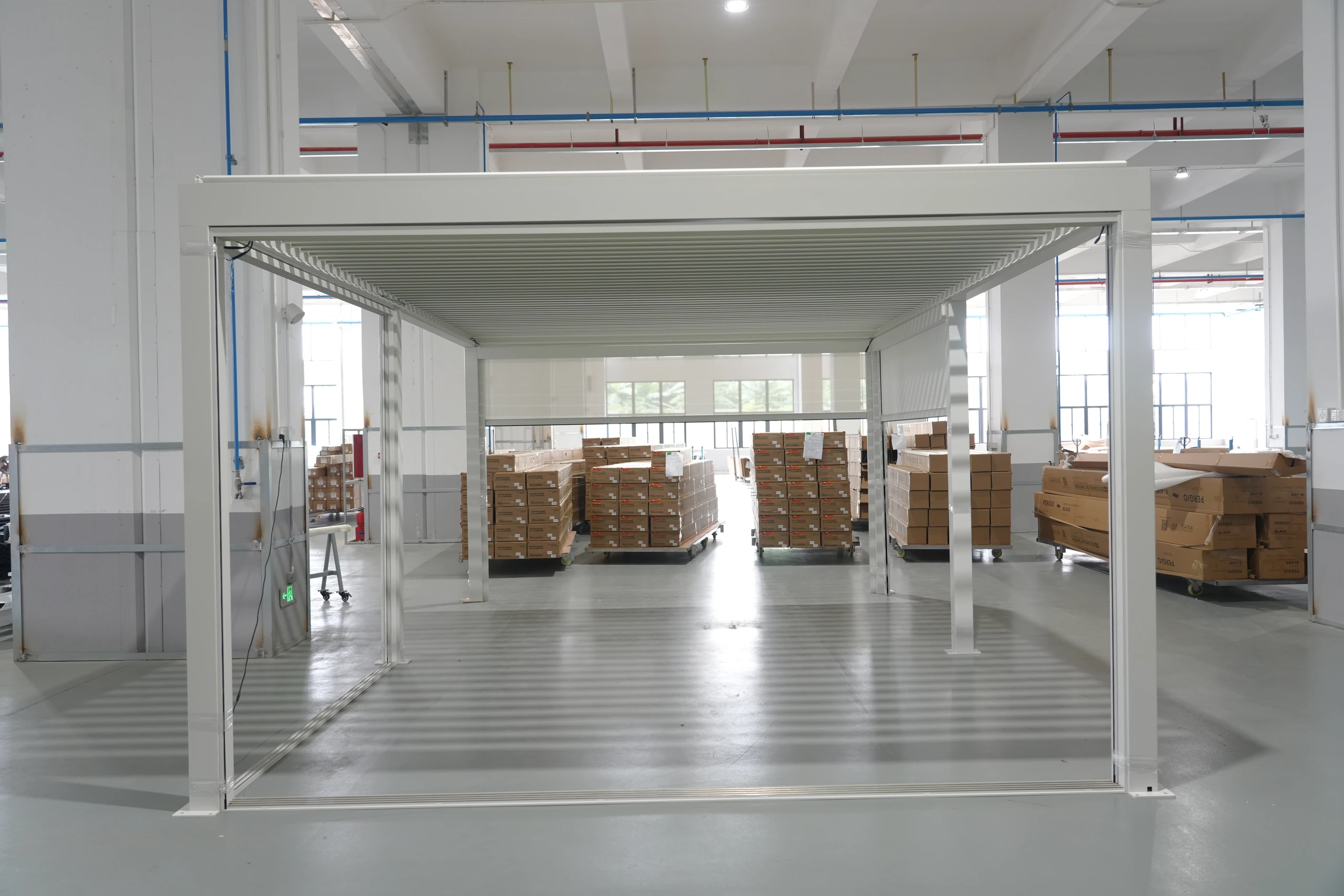
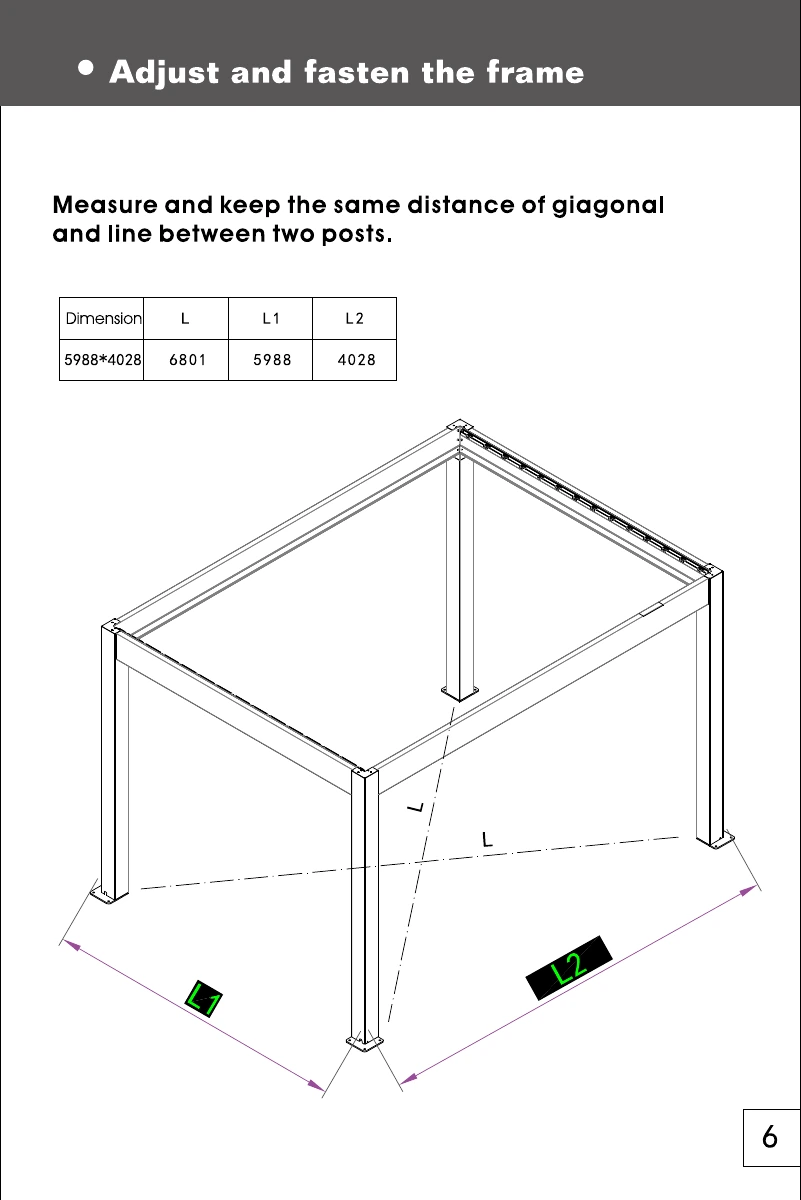
Measure the geometry that accessories use
An accessory fits an opening, not a photograph. The installer may need frame dimensions, diagonals, levels, post alignment and the clear dimensions at several relevant locations. Diagonal comparison can help check geometry, but it is not the only measurement and does not replace the system's instructions. Ask the supplier to identify the required checks and allowable installation conditions for the selected configuration. Do not invent one tolerance for every pergola. Keeping measurements tied to a defined reference also helps distinguish an irregular surrounding patio from an issue in the frame or accessory opening.
Do not ask a motor to overcome geometry
When a screen binds or a louver gap appears uneven, increasing force or repeatedly commanding movement does not establish the cause. The responsible installer should consider the opening, guides, components and permitted settings together. Avoid changing limits, loosening structural connections or trimming parts without an approved procedure. A control adjustment might be relevant in a particular case, but it should follow diagnosis rather than conceal an unverified installation condition. The same principle applies when adding an accessory later: confirm the existing opening before ordering a part based only on the nominal frame size.
A sloping-patio example
Imagine a patio that intentionally falls toward a drain. During installation, different people use the paving edge, a wall line and the frame drawing as their reference. The pergola looks acceptable from one viewpoint, but the proposed side opening has not been checked against a shared datum. Before fitting the screen, the installer should reconcile the references and record the required geometry. This example does not imply that the patio should be levelled or that every frame member must share one elevation. It demonstrates why the product's intended arrangement must be distinguished from surrounding surface geometry.
Retain a measured installation baseline
The handover should include the measurements required by the system and any approved deviations, tied to dated photographs and opening identifiers. That baseline helps a service team compare later symptoms with the installed condition. For a TTH enquiry involving existing supports or a retrofit opening, supply measured dimensions and identify how they were taken. If the opening changes during construction, update the information before accessory manufacture rather than expecting a standard adjustment range to absorb an unknown difference. Retain the final measurement revision so an earlier sketch does not reach another supplier later. Otherwise a subsequently ordered screen or glass component may be manufactured from information that no longer describes the opening, even though the original installation team resolved the geometry correctly.
- Use the product's required measurement points and a shared reference.
- Record opening identities, measured geometry and approved deviations.
- Investigate binding before altering controls or structural connections.
Will resetting the screen motor fix an uneven pergola opening?
Not necessarily. A control setting cannot establish that the frame, guides and opening meet the installation requirements. Have the installer investigate the measured geometry and symptoms first. Any adjustment should follow the accepted procedure for the actual screen and frame, rather than forcing movement to hide a mismatch.
More questions, practical answers →