Solar canopy decisions
Changing Solar Panel Size: What Happens to the Carport Roof?
Re-coordinate layout, clamping, cables and water details when module dimensions change instead of relying on matching wattage.
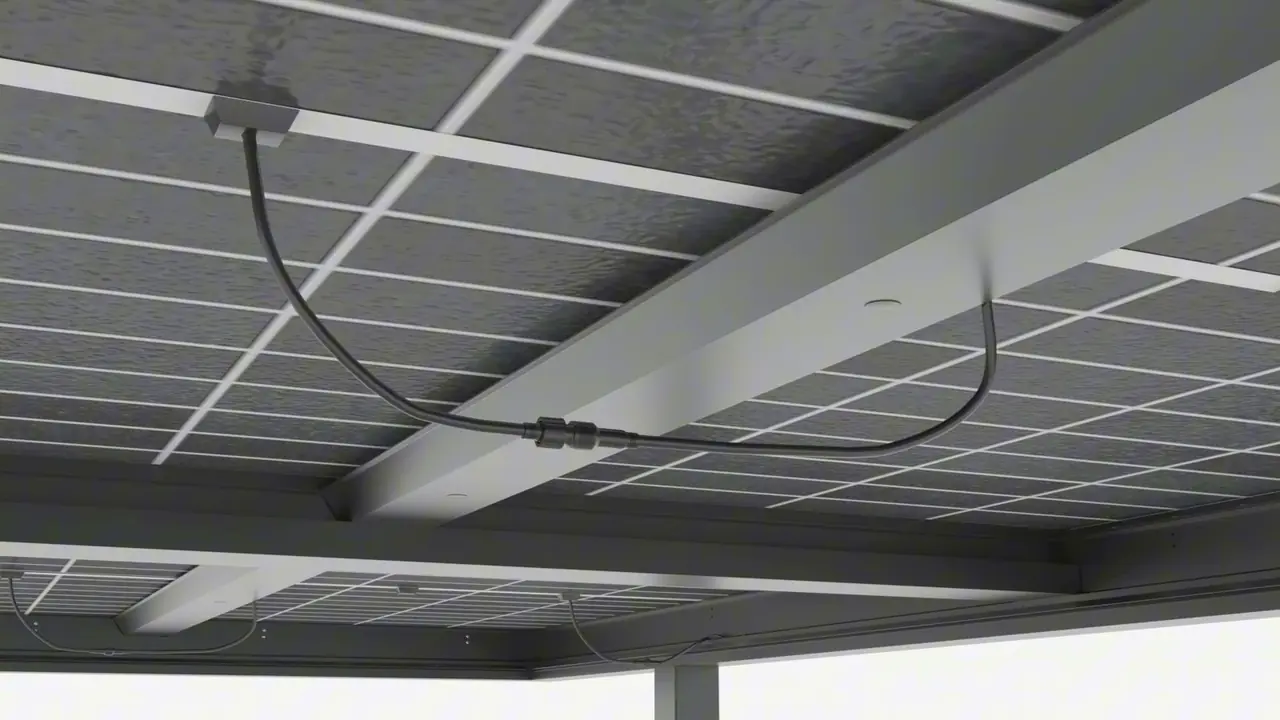
A module is an interface, not just a power rating
When solar carport modules change, compare more than rated power. Dimensions, thickness, weight, permitted clamping zones, leads and electrical characteristics can alter their relationship with the canopy. Where modules form part of weather protection, joints and edges need review too. Similar appearance does not establish use of the same mounting detail. Ask for the reason for substitution and documentation for both the original and candidate products. The professionals responsible for structural, PV and roofing interfaces should assess compatibility; a shorter delivery time does not remove that need.
Review the change across three systems
Structural review addresses supports, clamps and design actions; electrical review addresses connections and system compatibility; roofing review addresses layout, joints and drainage continuity. All three need the same model and drawing revision. Larger modules may alter row count or access, while gaps left by smaller modules cannot automatically be filled on site. Approved documents should show the solution. Defining the substitution process during quotation or ordering is clearer than an undefined equivalent-product clause, which can conceal different expectations at delivery.
- Compare complete original and candidate module information.
- Update affected structural, electrical and roof drawings.
- Use the final model in installation, spares and acceptance records.
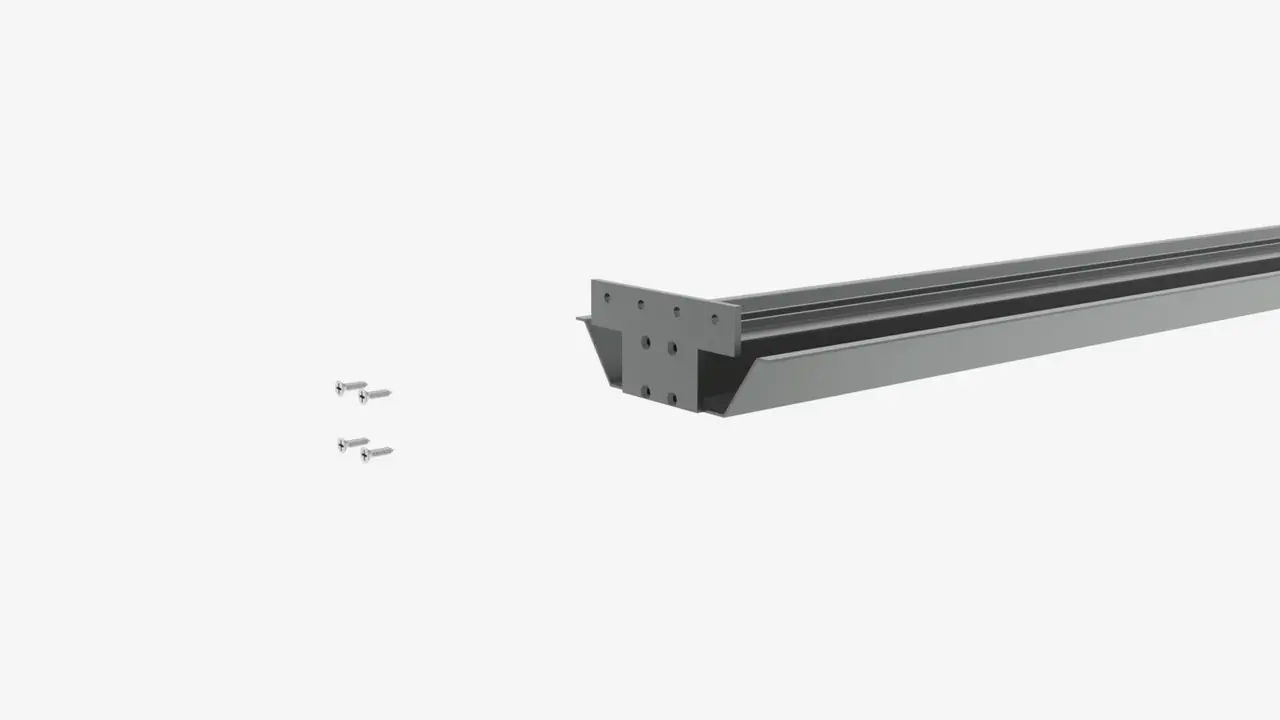
Review a substitution proposed during a shortage
Imagine the specified module becoming unavailable and a supplier proposing a slightly longer product with similar power. Confirming only that total wattage is retained could miss roof-edge projections or incompatible clamping. Hold final acceptance of the substitution while identifying affected drawings and responsible reviewers, then revise supply planning after assessment. This does not assume substitution is impossible; it requires evidence that it works. Changes to module count or roof area should also trigger review of production estimates and parking coverage rather than leaving every original quotation figure unchanged.
Check deliveries against the approved final list. Old model information on packaging or documents needs supplier clarification and verification, even when installation is urgent.
Preserve the installed specification for future repairs
Handover should preserve the installed model, serial information, substitution approval and matching drawings, identifying altered details for maintenance staff. If the product is later discontinued, those records help professionals determine what must be reassessed. DOE procurement and installation guidance supports continuity from specifications to acceptance; it does not establish that a TTH canopy accepts every module size. Marketing images and equal wattage are not compatibility evidence. Equipment differing from the approved substitution should follow the project's change process rather than an improvised installer decision.
Can modules with the same wattage be exchanged on a solar carport?
Equal wattage is insufficient. Review dimensions, weight, clamping, electrical connections and roof joints, obtain approval and update drawings. Layout, count or shelter changes also require updated estimates and acceptance requirements. Record the actual installed model at handover. This supports accurate future traceability.
More questions, practical answers →