Solar canopy decisions
Replacing Discontinued Solar Panels on a Carport
Assess replacement panels for discontinued carport modules across electrical, dimensional, mounting and roof interfaces, with documented approval.
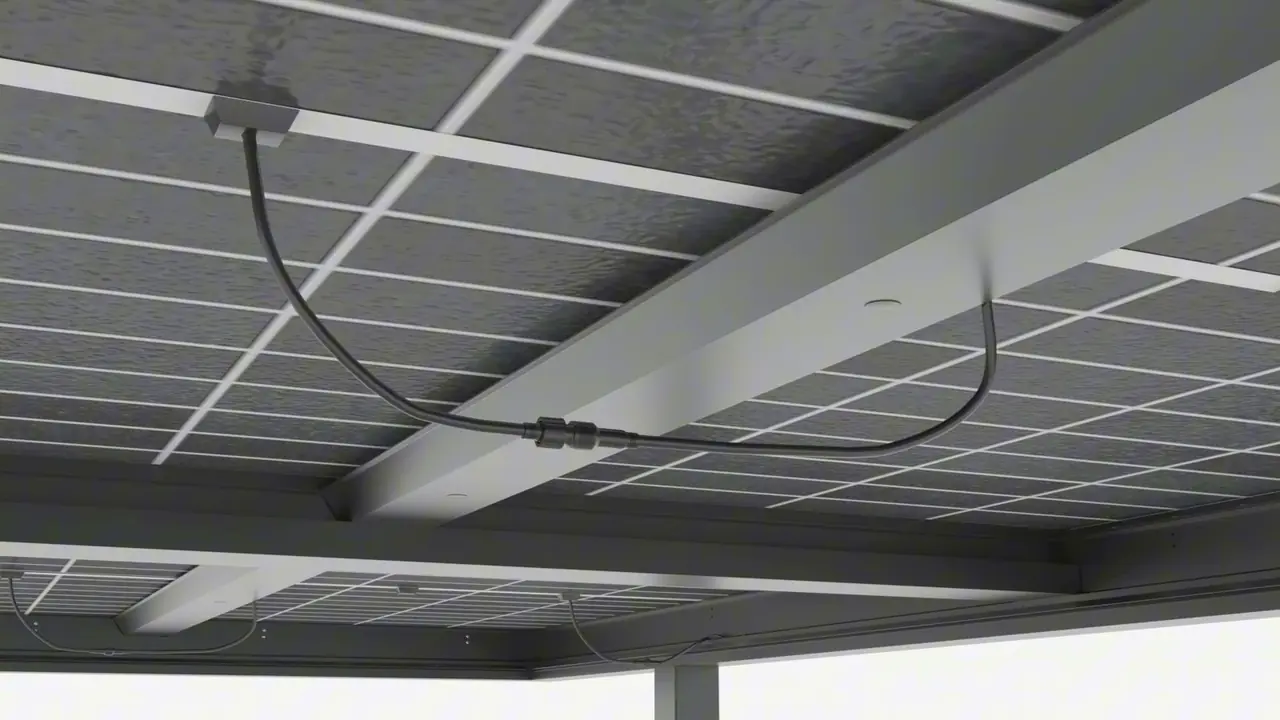
Recover original records and define the replacement scope
When a module is discontinued, do not shop solely by appearance or nominal power. Gather original module, inverter, connection and mounting records, identifying replacement quantities, locations and causes. If drawings or schedules are missing, maintenance and design teams should verify the installation rather than infer details from marketing photos. DOE maintenance and installation resources support equipment records and coordinated work, but do not establish that a new module fits an existing TTH canopy. Define the repair scope and original conditions before comparing candidates or purchasing parts.
Review electrical and mechanical compatibility separately
Candidates require review of relevant electrical parameters as well as dimensions, weight, clamp zones, attachments and roof interfaces. Where modules form part of a rain-shedding assembly, changed frames or sizes may affect joints, drainage and access. Connectors that appear to mate are not sufficient proof of compatibility; qualified personnel must verify the actual combination. Suppliers and designers should explain implications for evidence, certification scope and warranty conditions. Procurement staff should not make the technical decision alone, and urgency does not justify improvised structural changes or unapproved component combinations.
- Recover original equipment, mounting and electrical records.
- Check parameters, connections, clamping and drainage separately.
- Approve substitutions and update asset and maintenance records.
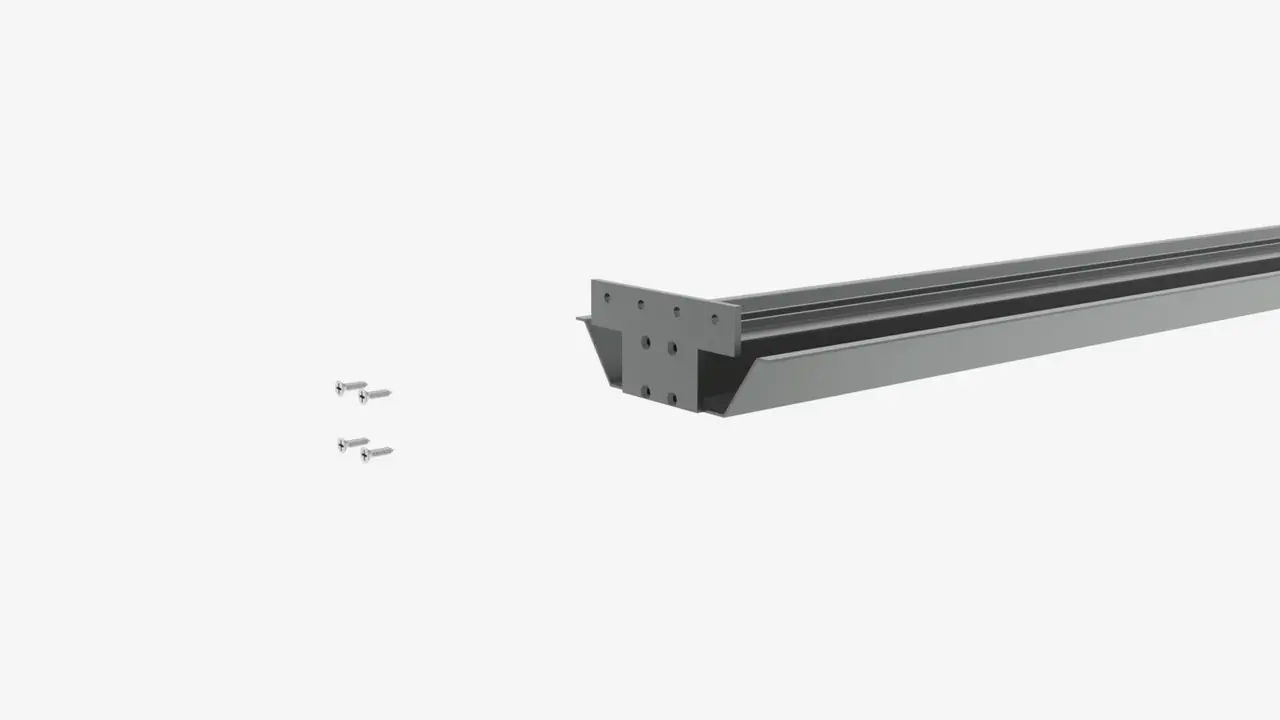
Expose hidden work in a small replacement
Imagine replacing only two modules with similarly rated but wider products. The width may change mounting and joint relationships, so a small quantity does not remove the need for review. Another candidate with matching dimensions still requires electrical compatibility checks for its circuit. Compare required modifications, open questions and responsible teams rather than unit prices alone. This example recommends no specific replacement and gives no wiring instructions. It shows why even a limited repair can cross several disciplines and must be approved using actual evidence.
Update the records needed for the next repair
After replacement, retain old-to-new model mapping, locations, approvals, inspection records and outstanding issues, aligning platform asset lists. Note the date if baselines or comparison boundaries change so later reports do not misread configuration changes as performance faults. Ask about spare parts and future obsolescence, deciding quantities from project needs rather than a universal rule. Retained parts and removed modules should follow local requirements and supplier arrangements. A documented handover supports future maintenance more effectively than confirming only that indicator lights have returned.
Can a replacement module be installed if its wattage matches?
No. Check electrical parameters, connections, dimensions, weight, mounting and roof interfaces, plus design and warranty implications. Obtain professional approval and update records after installation. Similar appearance or apparent connector fit does not establish compatibility.
More questions, practical answers →