Solar canopy decisions
Do Hail-Tested Panels Prove a Solar Carport Is Hailproof?
Separate panel hail tests from canopy structure, roof assembly and vehicle-protection claims when reviewing solar carport evidence.
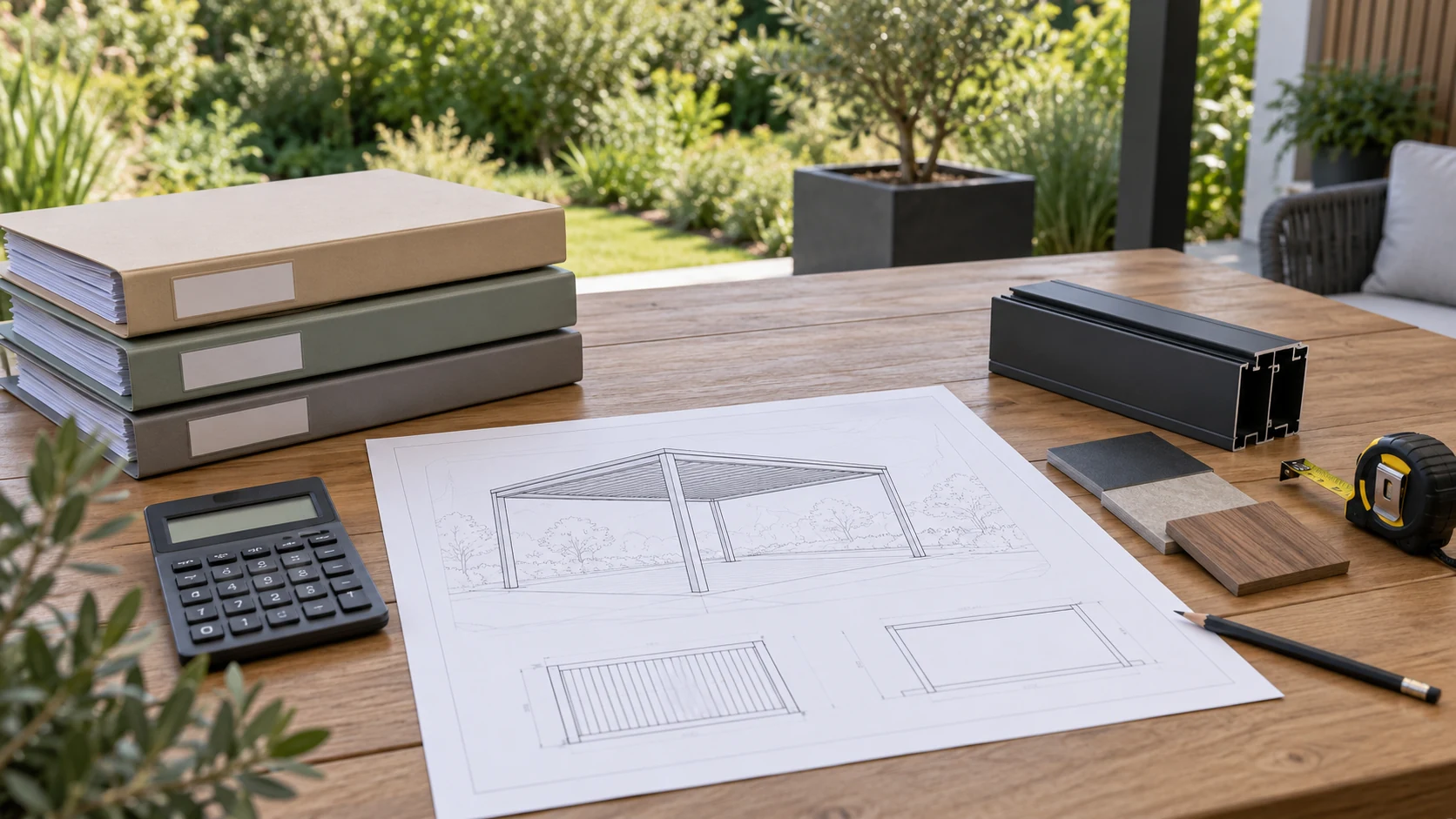
Identify exactly what was tested
Hail-tested panels do not make a complete solar carport resistant to every hail event. Tests address particular products under defined conditions, while projects also depend on mounting, edges, fasteners, roof details, drainage and structure. Request model-matched reports or verifiable documentation identifying specimens, conditions, results and scope. A rating or short promotional video does not establish unshown conditions. DOE hail and severe-weather resources support risk-based design and maintenance, but general guidance is not evidence that any TTH product has passed a specific test.
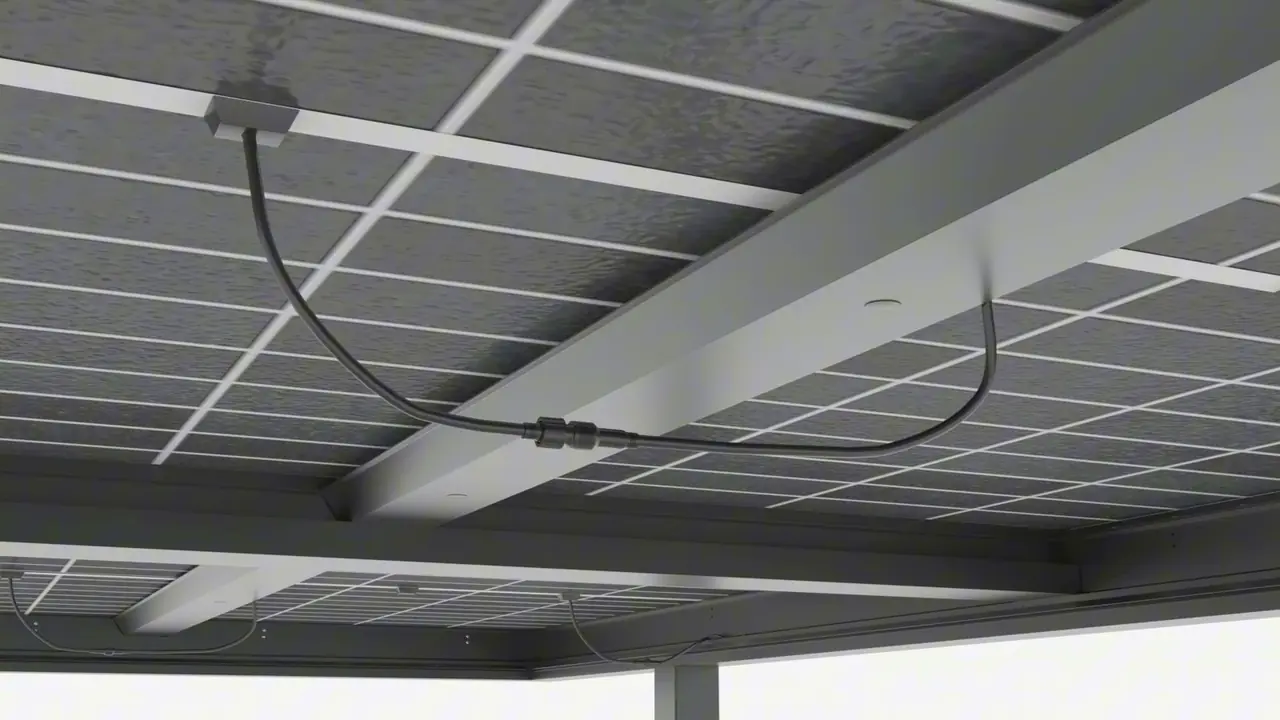
Separate the assembly's different risks
Review panel damage, mounting movement, structural loading, falling debris, water entry and effects on vehicles separately. Different teams may own these risks, and evidence for one does not close the others. Professionals should consider local weather history, exposure and applicable requirements, documenting design assumptions and remaining risk. Ask whether evidence covers the proposed assembly and whether changed panel sizes or mounting methods trigger review. Where product evidence is missing, mark performance as unconfirmed instead of substituting a familiar industry test for project-specific assessment.
- Check report models, conditions and assembly scope.
- Review panels, mounting, structure and vehicle claims separately.
- Define post-event inspection, closure and insurance contacts.
Use the purchasing decision to expose evidence gaps
Suppose a bid contains a panel hail-test summary but no explanation of how panels attach to the canopy or the structure's design basis. Request mounting and structural evidence rather than extending that summary into a promise that vehicles cannot be damaged. Even complete reports need comparison with the project's relevant hazards; they cannot promise immunity to hail of every size, speed and direction. A comparison table should show evidence boundaries, missing items and responsible parties. That is more useful to an owner than ranking promotional labels alone.
Plan what happens after a hail event
Include post-hail site management and professional inspection in the operating plan. Cracks, loose items, electrical warnings or falling-object concerns should trigger the project's isolation and qualified-support process. Ordinary users should not climb the canopy or touch damaged parts. An intact appearance does not establish electrical performance or internal condition; specialists should set inspection scope from the event and equipment. Keep event times, safely obtainable photographs and maintenance records for repair and insurance discussions. Coverage, deductibles and evidence requirements need separate confirmation; testing is not insurance or a zero-loss guarantee.
What else should be checked after receiving a panel hail certificate?
Check the model and test conditions, applicability to the installed assembly, and responsibility for structure, fasteners, drainage and vehicle-related claims. Confirm post-event inspections and records. Panel evidence does not establish whole-canopy immunity to all weather.
More questions, practical answers →