Retractable awning choices
Winter sunshine and summer shade: plan the awning around the seasons
List when sunlight and shade are wanted in each season, then compare stored form, operating habits and indoor-outdoor effects.
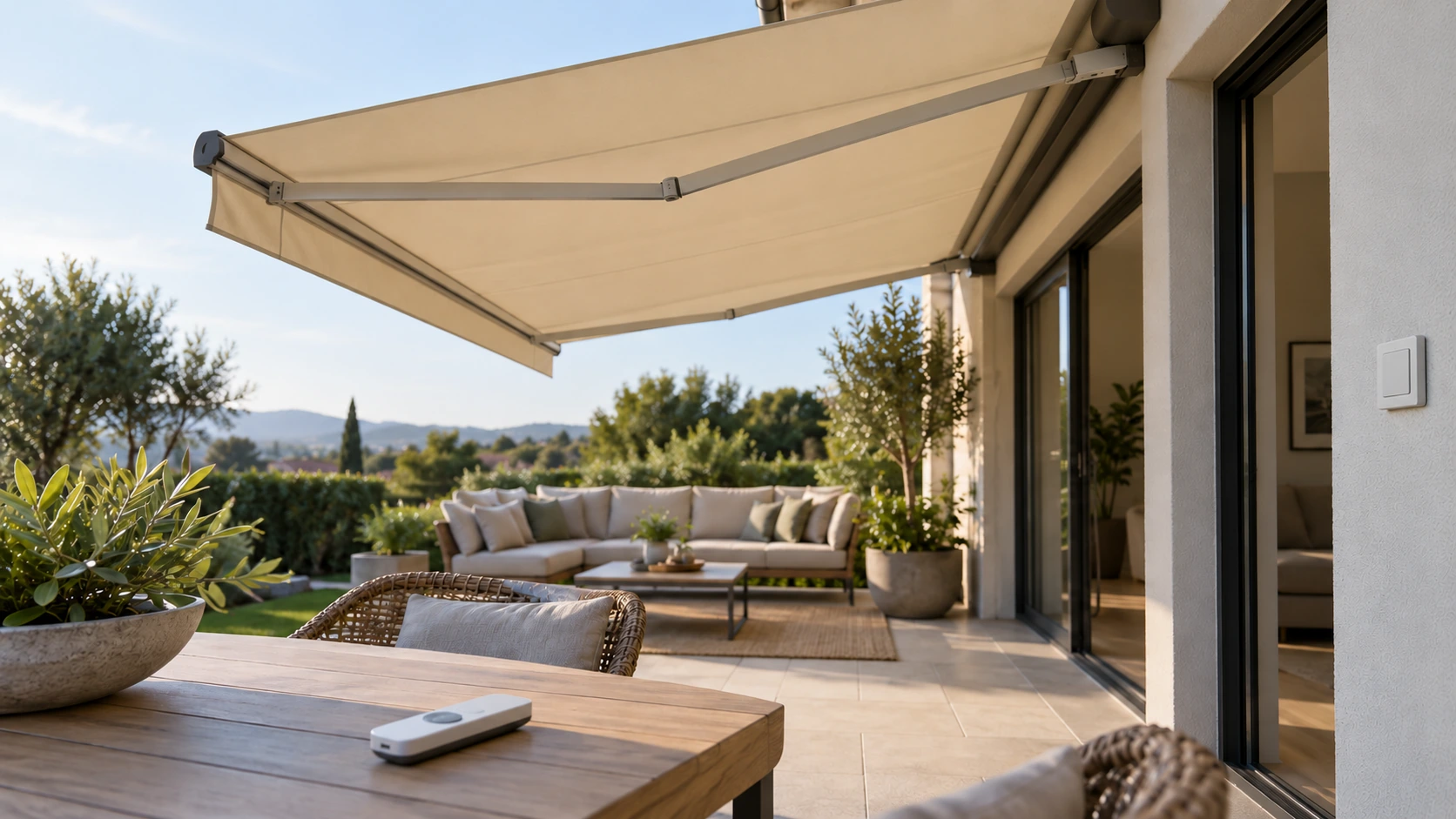
Do not let one summer visit define the whole year
A retractable awning allows the shading state to change, but it does not deliver identical year-round comfort for every household. List the hot-season hours to avoid and the cool-season places where sunshine is welcome, separating outdoor seats from indoor window areas. Seasons differ by region and hemisphere; a particular month is not universally a shutdown period. A rarely used patio may make indoor daylight the priority, while frequent summer entertaining changes the emphasis. Rank those needs before comparing maximum coverage so a single summer visit does not dictate the whole annual arrangement.
Check what remains when the fabric is stored
Stored fabric does not mean an empty facade. The cassette, brackets and fixed components remain, so examine them from indoors and from regular seats. Whether they affect low winter sunlight depends on actual orientation and location rather than a summer rendering. Where a proposal includes fixed side elements, identify which components move and which always remain. Show both states on the same elevation. This makes the scope of seasonal adjustment clear and avoids buying a custom arrangement based on an imagined completely unobstructed opening that the equipment cannot provide.
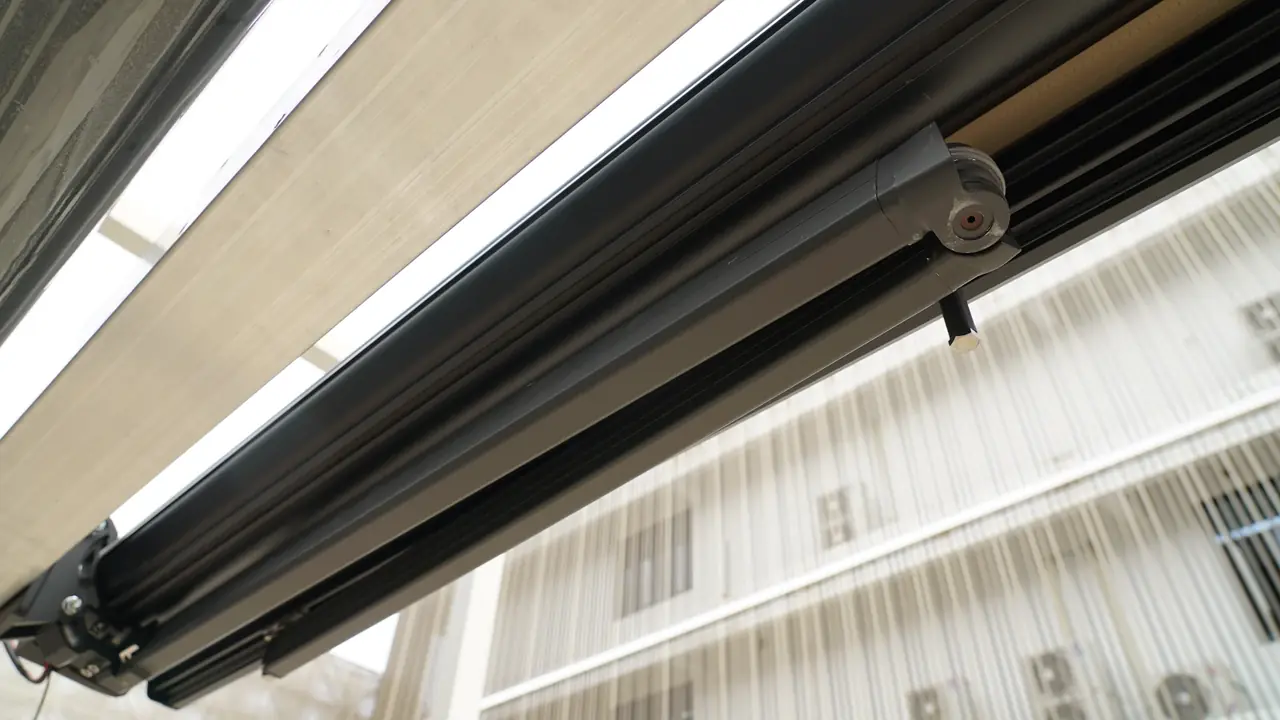
Test operating effort with a seasonal schedule
Imagine summer evening meals outdoors and winter reading beside the indoor window. List the desired shading state for each situation, who operates the equipment and what the instructions require during changing weather or long periods of disuse. If controls are automatic, check that seasonal settings match the current purpose; sunshine does not always mean the canopy should deploy. A household that stores the awning through winter also needs a plan for inspection and cleaning before reuse. Keep the schedule understandable rather than building complicated rules nobody will maintain.
Evaluate energy questions separately
Energy effects need the building, glazing, climate and actual operation to be considered together. Do not import a promotional percentage. U.S. Department of Energy window-attachment research helps identify variables but does not establish savings for a different home or a TTH configuration. If energy savings drive the purchase, request an assessment using local conditions. Most households can first record whether glare is reduced, desired winter daylight remains and operation feels manageable. Distinguish those observable experiences from an electricity or heating-bill effect that has not been calculated.
- List hot-season and cool-season goals separately.
- Distinguish moving fabric from permanent cassettes and side elements.
- Review automatic settings against current household routines.
Does a retractable awning guarantee unaffected winter daylight?
No. The cassette, brackets and fixed accessories remain after fabric retracts, and their effect depends on orientation, windows and location. Compare stored and deployed drawings and observe the places where seasonal sunshine matters. Assess energy effects separately using building and climate data rather than a generic percentage.
More questions, practical answers →