Retractable awning choices
Does a retractable awning need an extra winter cover?
Review the existing stowed protection and permitted accessories first; a generic cover does not automatically improve drying, access or seasonal shutdown.
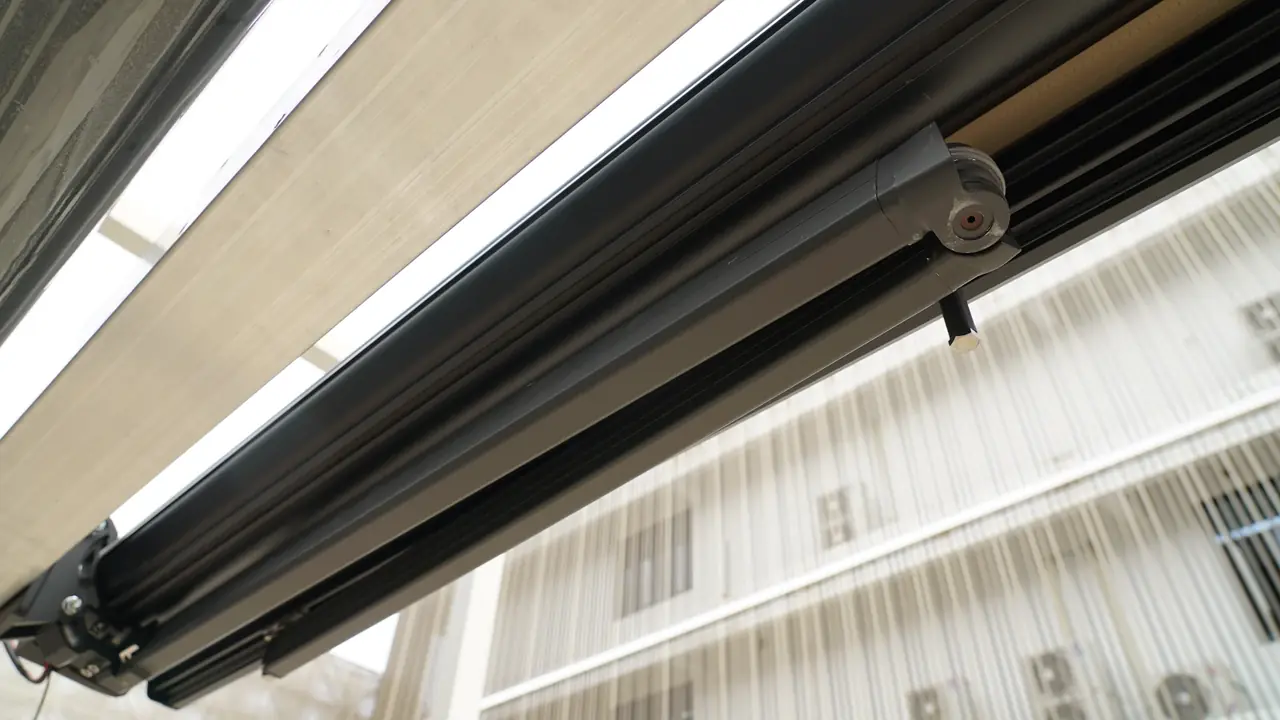
Understand the equipment’s own stowed arrangement
Before buying a winter cover, read the model’s seasonal-care and stowage instructions and understand its existing enclosure. Requirements may differ between actual configurations, regardless of a retailer’s universal label. Ask whether an additional cover is approved, under what conditions and who installs and removes it. Keep missing guidance unresolved rather than fitting something first and checking later. The objective is an appropriate instructed condition, not assuming that another visible layer automatically improves weather resistance or reduces maintenance for every retractable system.
Address fabric condition before discussing the cover
Wet fabric or unresolved contamination needs the instructed cleaning and drying process before seasonal storage; an extra enclosure does not replace it. Verify any accessory’s ventilation, contact and equipment-state requirements with its documentation and the system provider. Do not punch holes or modify an unsuitable cover to make it fit. Avoid wrapping moving parts with improvised plastic, cords or cloth, or concealing required indicators and access. Identify the actual approved accessory rather than selecting a bag solely because its pictured outline appears capable of surrounding the equipment.
Plan who manages shutdown and reopening
A cover needing high-level fitting and removal may create an impractical task if suitable attendance is unavailable. Include access, personnel and cost instead of relying on chairs or equipment climbing. Anyone considering temporary winter use must know the current state and instructions before operating controls. Record control arrangements, the fitted accessory and required reopening steps together. Shared or rental properties need to avoid one person fitting a cover without others knowing, turning an intended protective accessory into a new operational obstacle or an unexpected service requirement.
Choose through compatibility and a workable routine
Compare the required maintenance and shutdown actions with and without the proposed accessory, avoiding claims that a cover upgrades complete-system performance. Retain the accessory reference, scope and instructions and store it appropriately when unused. Equipment or cassette replacement requires another compatibility check. The suitable outcome may be following the original stowage arrangement or using a confirmed additional accessory. It depends on the specific system and site management, not a universal rule that winter always requires a cover or that extra wrapping is inherently better.
- Review the model’s seasonal and existing-enclosure guidance.
- Confirm accessory suitability, fabric condition and service access.
- Assign fitting and removal and communicate the control state.
Is a generic waterproof cover always better than no extra cover?
Not necessarily. Confirm that the equipment permits the accessory and review fabric, contact, ventilation and handling requirements. Generic sizing does not establish compatibility, and wrapping does not replace cleaning or shutdown instructions. Arrange appropriate access and inform every operator before the documented return-to-use process.
More questions, practical answers →