Retractable awning choices
First use after winter: begin with observations from the ground
Review shutdown records, visible debris and site changes before following the equipment’s return-to-use instructions, leaving inaccessible areas to appropriate service personnel.
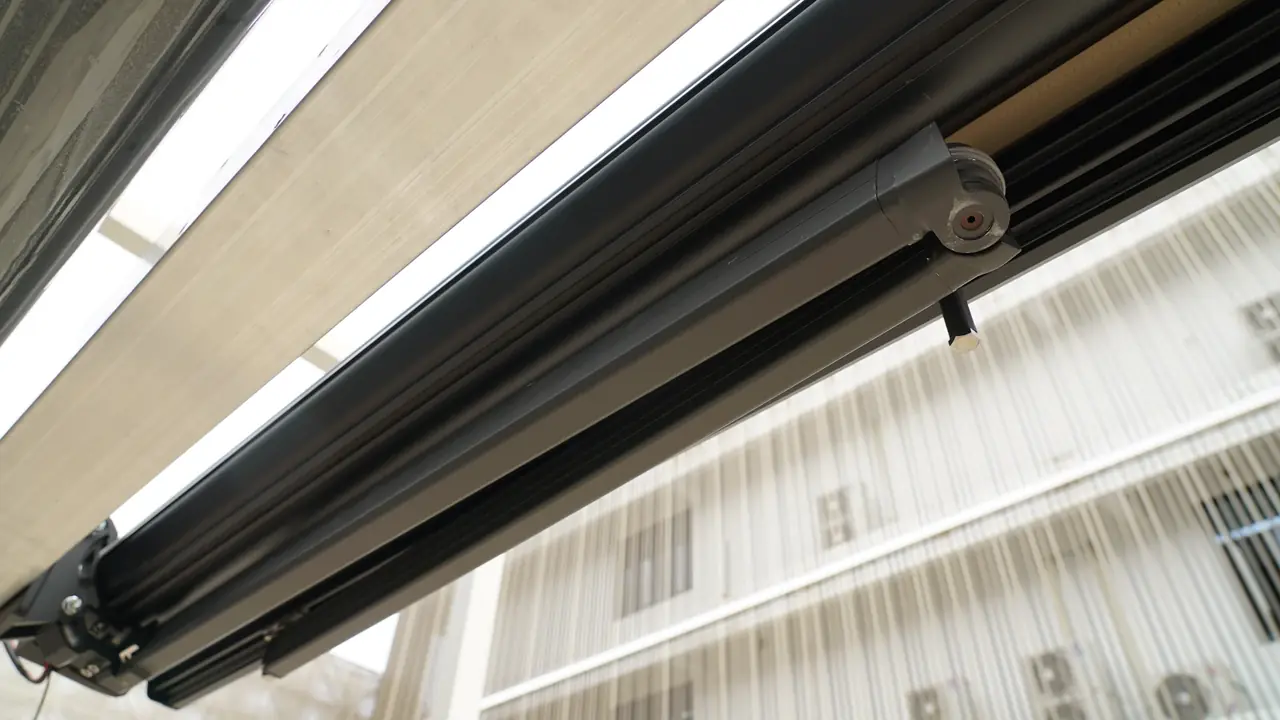
Review the condition recorded at shutdown
The first spring button press is not a complete return-to-use check. Review wet-fabric notes, unusual sounds, unfinished repairs and control changes recorded before shutdown. If the system came with the property, obtain its instructions and service information rather than guessing from appearance. Seasonal preparation does not mean every region resumes in the same month or every unit uses the same shutdown process. Establishing the earlier condition prevents an unresolved issue from being forgotten and later described as a completely new fault without its relevant history.
Observe visible changes and surrounding space from ground level
From a safe position, observe the visible cassette, front edge and surroundings for debris, branch contact, changed appearance or new objects in the movement area. This is not a professional structural inspection and does not require climbing to hidden connections. Review trellises, lights and furniture added over winter against the normal operating envelope. Record questionable damage or uncertainty before asking service for advice, rather than starting the unit to see what happens. Ground-level observation identifies changes needing attention; it cannot certify inaccessible components as problem-free.
Check the current controls before resuming
If an automatic scene was suspended but nobody remembers whether a timer also changed, review the settings and records through the instructions. Battery, sensor and remote checks are model-specific, not a universal replacement schedule. Tell regular users which modes will resume and who confirms that the area is ready. Avoid deleting pairings or repeatedly resetting for a quick restart. Do not restore automation while cleaning or service is underway. Coordinating controls with site preparation prevents an apparently ordinary mechanism from moving unexpectedly because users disagree about the active mode.
Keep a new baseline after permitted first use
Resume ordinary operation only under suitable conditions and the equipment instructions, comparing behavior with existing records. Stop and refer abnormalities as required. Retain a current photograph, completion date and outstanding tasks as a new baseline. One successful deployment does not complete a year’s maintenance, and unfamiliar behavior is not a reason to adjust tension or apply unknown lubricant. Clarify what any seasonal service package actually covers. A useful return-to-use process establishes the current basis and unresolved matters rather than merely providing the button sequence that starts movement.
- Review unresolved maintenance and shutdown observations.
- Observe debris and site changes safely from ground level.
- Restore controls and use through model instructions and record the result.
Does one successful spring deployment complete the inspection?
No. Review unresolved shutdown issues, visible changes, movement space and controls, completing instructed maintenance. A successful movement does not professionally inspect hidden components. Follow stop-and-service requirements for abnormalities and record what is complete or pending rather than adjusting unfamiliar mechanisms to obtain one smooth cycle.
More questions, practical answers →