Planning and care
Using a pergola in winter: what to confirm first
TTH Pergola aluminum pergola guide: use configuration-specific operating guidance instead of assuming a universal winter setting.
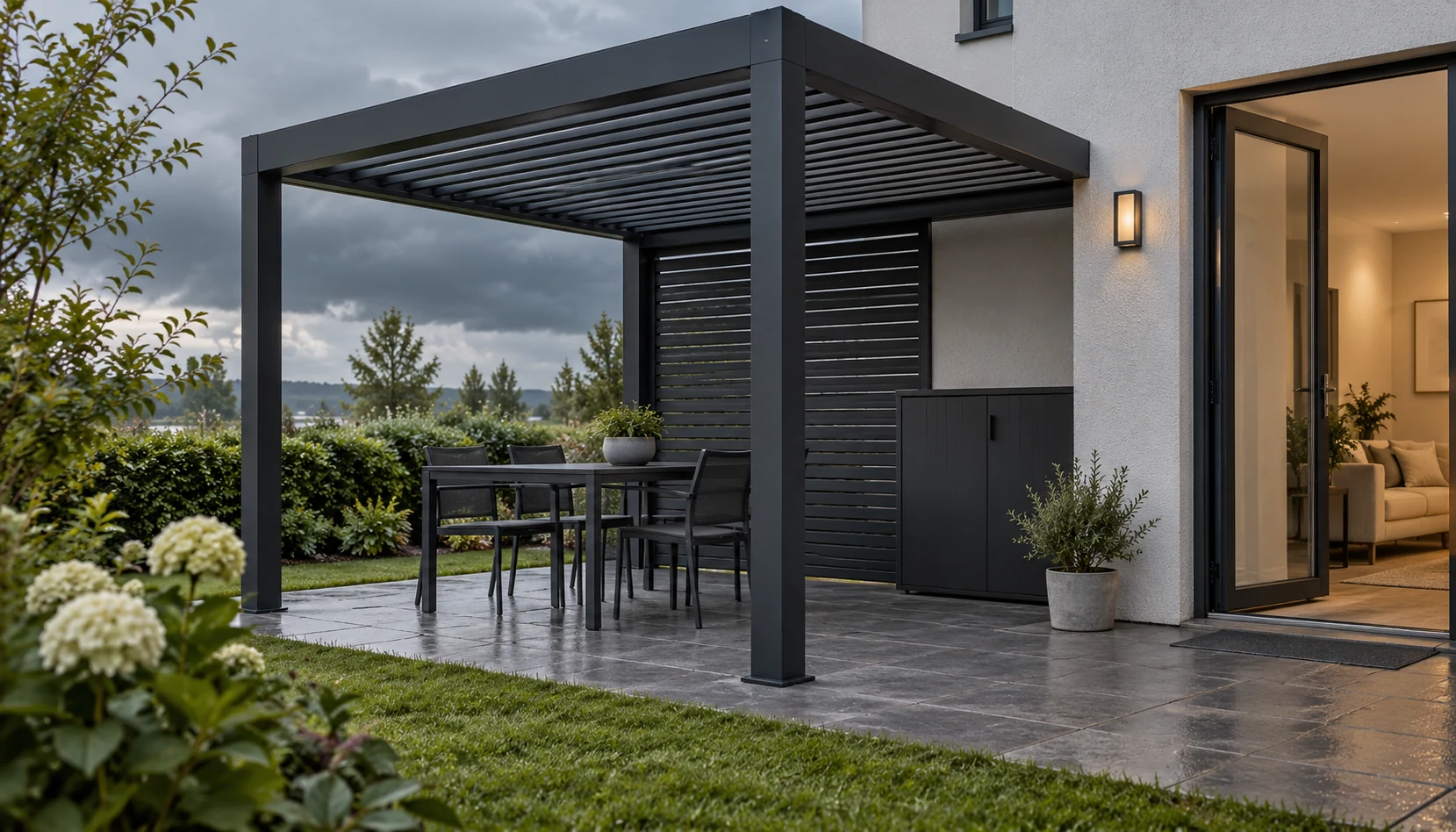
Winter planning starts before the first difficult day
Winter can change the way an outdoor mechanism behaves and the conditions around the structure. The right response should come from the instructions and design for the installed system, not from a general tip copied from a different pergola. Before seasonal conditions arrive, identify the relevant operating guidance and who can answer a configuration-specific question.
A TTH Pergola winter review should distinguish normal operation from conditions in which movement is not advised by the supplied instructions. Do not infer a snow capacity or an ice-handling procedure from a scene photograph on tthpergola.com. Instead, keep the project location and approved design information available when asking for clarification. Also consider the practical surroundings: access routes, the intended discharge area and the visibility of any developing problem. A clear seasonal plan avoids hurried decisions when the system is already affected by weather. It can be concise, but it should refer to the actual product and site rather than a universal statement about all louvered roofs.
Start with the supplied operating guidance
Winter use depends on the selected pergola, accessories and local conditions. Ask for the instructions that apply to the actual roof configuration and controls. Do not assume that every louvered roof should be left in the same position during cold weather. A snowy scene image illustrates a setting; it does not establish snow-load capacity, operating limits or a recommended procedure. Those questions require product-specific documentation and an appropriate project review.
Avoid forcing a reluctant mechanism
If movement is interrupted or appears obstructed, follow the supplied troubleshooting guidance and contact support where needed. Do not force the roof, remove protective controls or apply an improvised heat source. Note the conditions and the position of the affected component before requesting assistance. Clear observations help distinguish a control question from a mechanical obstruction without encouraging the owner to diagnose or repair a system beyond the permitted routine.
Prepare the space for the season
Review furniture storage, drainage inspection and access before the weather changes. Confirm how screens, glass and lighting should be managed when the terrace is used less frequently. If the property will be unattended, ask what preparation is recommended for the supplied system. Keep operating instructions available to anyone responsible for the site. Seasonal planning should be based on the installed product and actual conditions rather than copied from a different pergola model. If several people manage the property, agree where the instructions are stored and who should contact support so seasonal questions do not lead to conflicting improvised actions.
- Request the applicable weather operating instructions.
- Do not infer load limits from photographs.
- Record unusual operation and seek the appropriate support.
Should I force the roof if it resists movement?
Do not force it. Stop and follow the supplied guidance for the installed system, then seek configuration-specific advice. Record the conditions and the point of resistance without attempting unapproved adjustments.