Commercial projects
Hanging planters, lights and signs on hotel pergolas: verify the attachment first
Review the actual decoration, wind effects, power and servicing instead of treating every visible pergola beam as an approved hanging point.
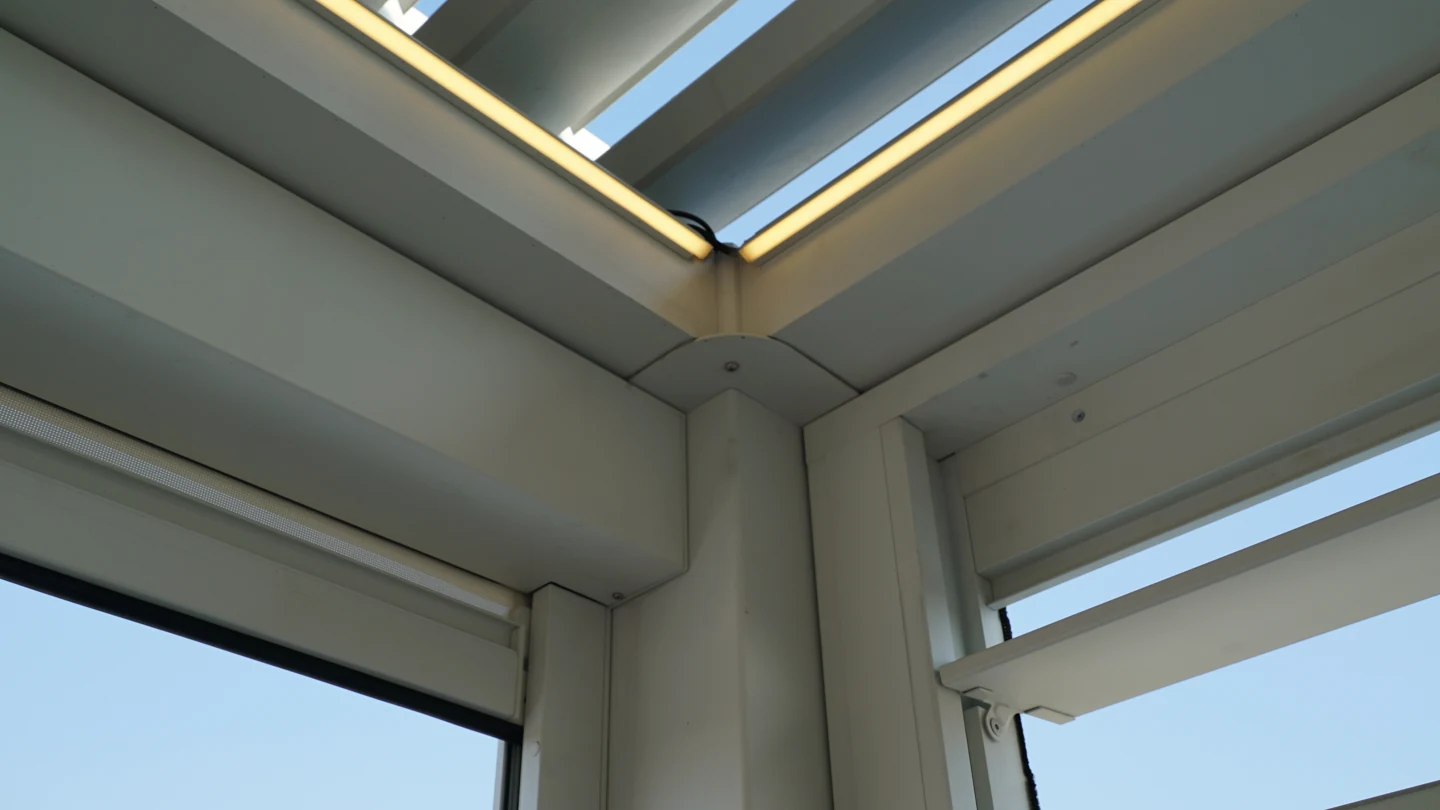
Turn decoration ideas into a reviewable schedule
Hotels may want baskets, string lights, menu boards or signs to give a pergola seasonal character. Before purchasing, list each item's actual dimensions, full assembly, proposed position and use period, including the watered condition of a planter. Obtain information from the item's supplier rather than estimating weight from photographs or borrowing assumptions from similar decorations. Mark the proposal against the pergola identifier and drawing for supplier and professional review. A beam that is visible or easy to tie around is accessible; that does not establish it as an approved accessory interface.
Review weight, wind effects and movement conflicts together
Assessment extends beyond static weight to exposure, movement and interaction with operating components. Sign area, planter shape and suspension method differ, so no universal hanging capacity is provided here. Lighting also needs appropriate review of power, cable position and environmental suitability. Do not drill, alter connections or attach decorations to blades and mechanisms without relevant confirmation. Even a supplier-provided interface needs a match between its approved use and the proposed item; approval for one accessory is not permission for everything else.
Test the process with a hypothetical themed dinner
Imagine a themed dinner requiring baskets and string lights, with the decorating team proposing temporary fixings because they will be removed afterward. The project lead should compare the list with the agreed accessory design and assign checks for installation, use and removal, including guest access around the work. Temporary use does not remove the need for site review. This hypothetical event approves no fixing method; it demonstrates the need for a technical handover in event operations. If confirmation cannot be completed in time, change the decoration or location rather than letting the opening deadline replace assessment.
Make servicing and removal practical too
Planters need care, lights need service and signs may need cleaning or replacement. Put working access and any closure area into operations rather than leaving staff to improvise from furniture. Retain decoration identifiers, approved locations, confirmation documents and inspection records, and check interface condition after removal. A seemingly similar replacement basket or sign still needs comparison with the confirmed scope. Treating decorations as managed changes preserves visual consistency while giving engineering and operations an accurate account of what is installed.
Add overall and installed-location photographs to the decoration schedule, with the agreed removal date. Pictures help identify the arrangement but do not replace approval records. Close out the list after the event so a forgotten temporary item does not become an unplanned permanent fixture.
- Document complete decoration state, location and use period.
- Have interfaces, actions and moving-part relationships reviewed.
- Assign checks for installation, care, removal and changes.
Can a light planter simply be hung from a hotel pergola beam?
Perceived lightness is insufficient. Review the complete in-use planter, wind effects, suspension and actual interface, including movement and maintenance conflicts. Use the specifically confirmed arrangement instead of drilling or tying onto blades, and review later decoration changes against that scope.
More questions, practical answers →