Compact pergola living
A pergola reading nook: test page glare from the chair
Test pages, screens, light and book placement from the real chair before arranging a pergola reading nook.
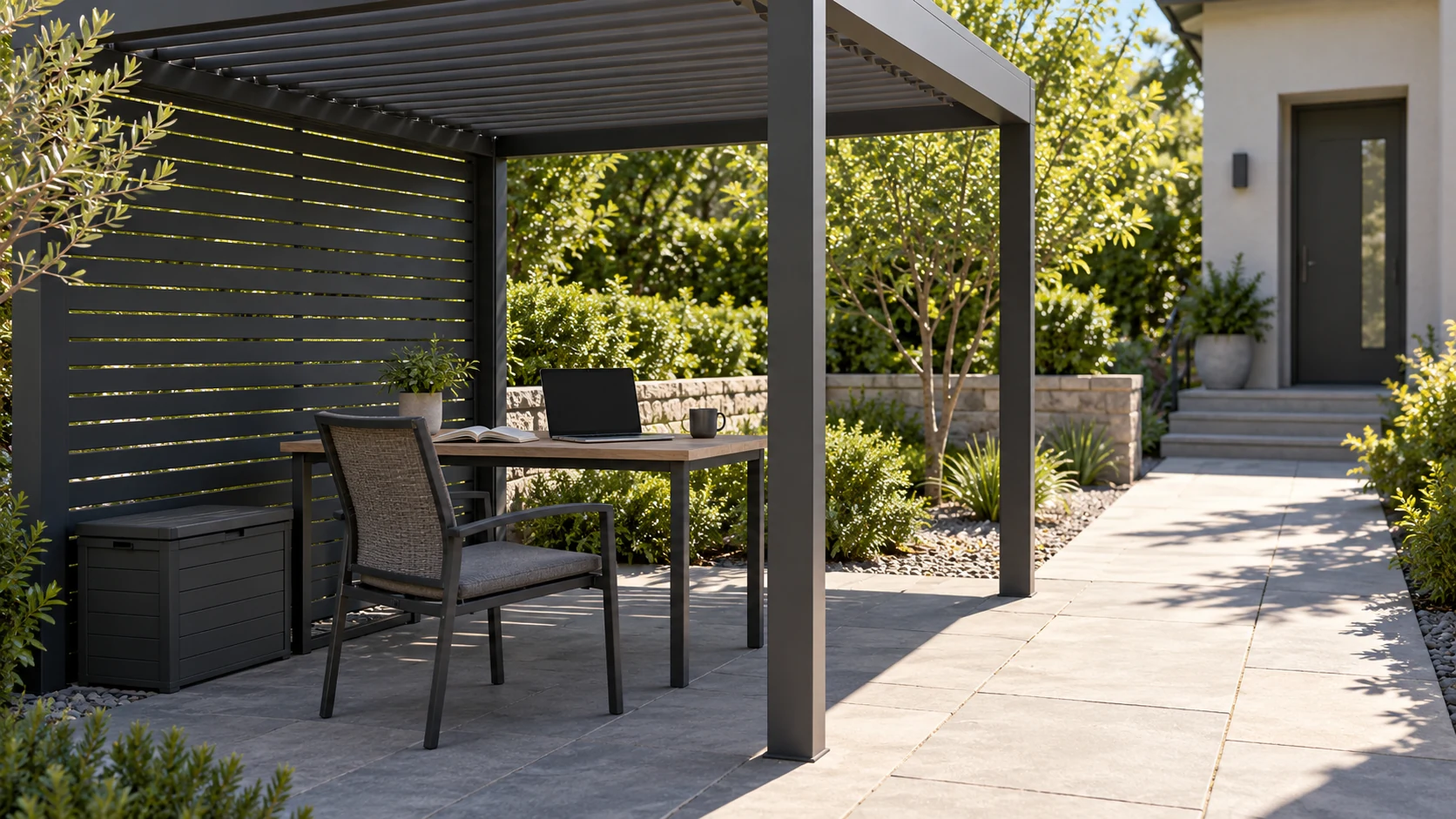
Start with the page in front of the reader
A comfortable-looking chair creates the outline of a reading nook, but the page or screen determines its practical use. Sit with the material you actually read and observe reflection, changing light and repeated posture adjustments. Do not assess only from standing or substitute an unrelated display book. Paper, glossy magazines and electronic devices may create different issues and deserve separate trials. This comparison supports spatial choice, not eyesight diagnosis or treatment; individual visual needs should follow the person's relevant professional advice.
Changing daylight and reachable surfaces both matter
Light can shift with time, roof settings and surrounding shade, so one favorable moment may not represent a whole reading session. Compare chair orientation and permitted adjustments during usual hours before assuming more fixtures are needed. Reach for books and cups from the seat, avoiding awkward movement over legs or easily struck surfaces. Select any task light using its environmental and installation requirements, with targeted, limited illumination in mind. Furniture and light should support reading movements together rather than merely producing an attractive evening photograph.
Compare orientations during real reading
Imagine afternoon magazine reading in a garden-facing chair with reflections at one period. Compare a small chair rotation, table relocation or permitted shade adjustment, then continue reading briefly. This hypothetical example guarantees no universal glare-free orientation and does not ask the reader to tolerate unsuitable posture. Record which arrangement supports retrieving books, turning pages and standing. Different readers may benefit from an adjustable setup, provided routes remain clear after movement; flexibility should not become a random arrangement that other household members cannot anticipate.
Plan where reading items go afterward
At normal reading hours, rehearse retrieval, seating, reading and putting everything away, recording useful chair and table positions. Store books and electronics according to their requirements rather than leaving them outdoors under cover. Where charging is needed, verify equipment, power and cables and keep leads out of the exit route. Switch off unnecessary lighting afterward and restore shared passage. Record concrete observations, such as easy cup access or page reflection, instead of only calling the nook comfortable; those details support a layout that remains useful.
For several readers, record their preferred orientations with simple reset markers instead of relying on one person to remember every detail.
- Test the usual book or device while seated.
- Compare orientation and light at normal reading hours.
- Check books, drinks and getting up together.
Does a bright reading light remove the need to consider chair direction?
Brightness does not replace suitable direction. Test real materials at normal hours and compare chair, table and light together, following product instructions. Reflections and individual needs still matter, with personal visual questions handled through professional advice.
More questions, practical answers →