Home planning
Want to see the garden while seated? Plan the pergola from the chair
Review seated views, furniture backs and post positions so the pergola preserves the garden outlook that matters during everyday use.
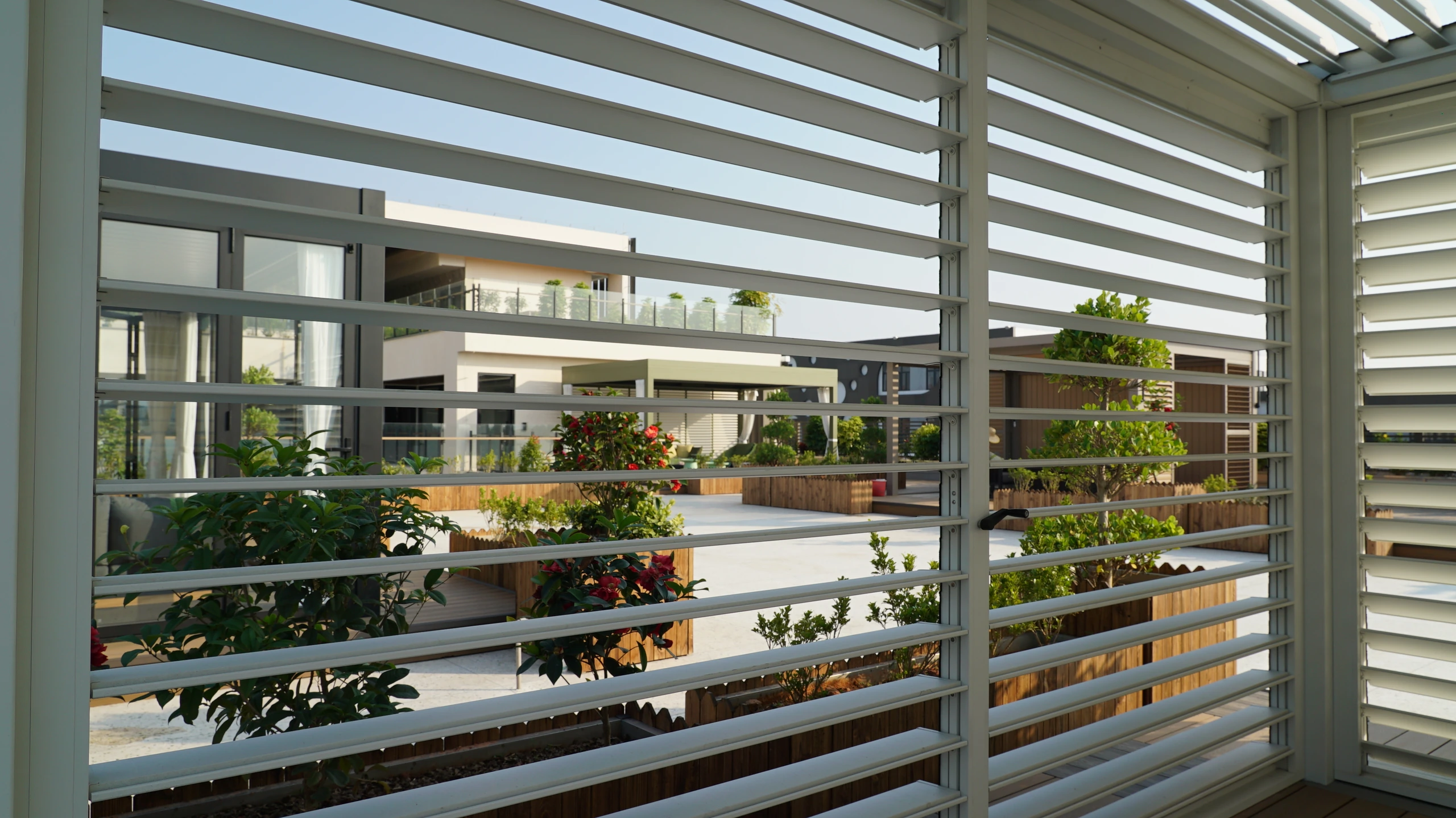
Use a real chair to identify the view to retain
Pergola renderings often show an entire garden from above, while actual use happens in a chair or sofa. Move existing seating to candidate positions and record what you see when upright, leaning back and turning to speak. The valued view may be a tree, a flower-bed corner or the lawn where children play rather than the whole garden. Mark those targets on photographs before discussing posts and side accessories. That is more precise than asking for openness. Family members differ in height, seat height and posture, so let the regular users sit and assess rather than relying on a standing survey.
Separate foreground obstructions from distant targets
A post, a high sofa back and a nearby planter may interrupt the same sightline, but the cost of moving each differs. Adjust movable furniture and pots first, then check whether the fixed frame still affects the priority view. Include the stored components of side screens instead of reviewing only an ideal open state. Not every seat can necessarily share the same outlook. Decide which positions take priority and whether guest seats can face elsewhere. Record those compromises explicitly rather than discovering them after installation.
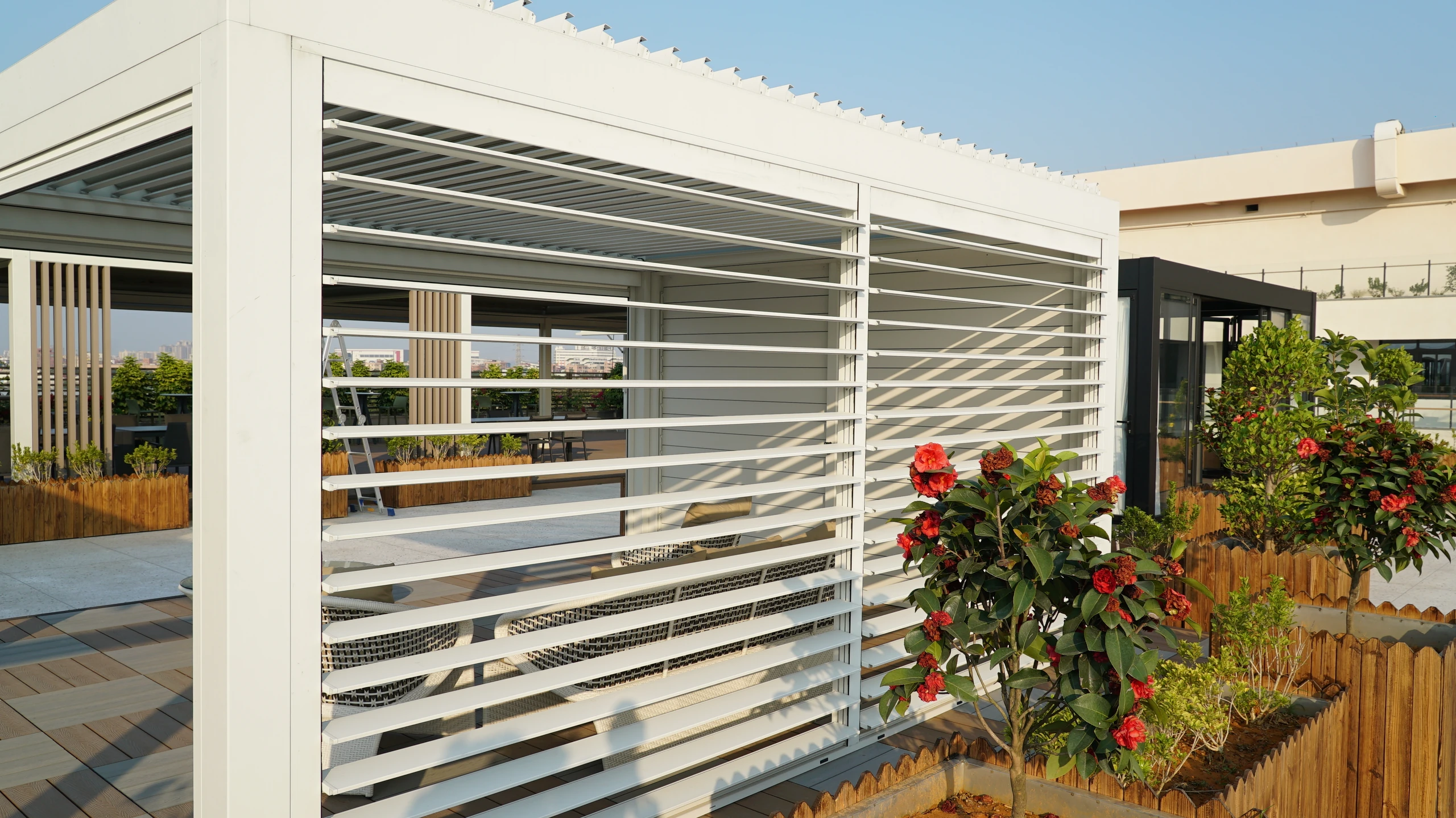
Test a hypothetical lounge facing a tree
Imagine a favorite tree in the middle of the garden, with a sofa facing it but a proposed post directly in front of its trunk. Compare turning the sofa, shifting seats and discussing a revised frame position, checking which change least affects conversation and circulation. This hypothetical example does not invite informal structural changes; suppliers and relevant professionals must confirm any frame adjustment. Test the view with someone seated opposite as well. Other people and furniture are part of a real gathering, a relationship that an empty rendering cannot show.
Keep the view compatible with maintenance
Retaining a tree or flower-bed view does not mean placing the pergola as close to planting as possible. Cleaning, pruning, leaf collection and furniture movement still need routes, and plant growth can alter the outlook. Keep priority sightlines and their seats on the confirmation plan to guide future furniture purchases. Review lights and decorations from seated positions too, avoiding a daytime view interrupted by distracting bright points at night. Adjustments tied to specific viewing goals can improve the experience more meaningfully than simply increasing open area.
Where the garden changes noticeably through the year, keep photographs with and without foliage to identify the views that deserve priority. Do not treat a seasonal canopy as a permanent screen or sacrifice future plant care for a short-lived composition. Assess seating, framing and planting as a changing combination.
- Mark priority views from the actual dining chairs and sofa.
- Adjust furniture and pots before discussing fixed framing.
- Recheck with occupied seats, stored accessories and evening lighting.
Should a pergola post simply be moved if it interrupts the garden view?
Do not move a structural position informally. First test furniture position and orientation from real seats. If the conflict remains, give the supplier photographs and sightlines for a reviewed frame and support proposal. Coordinate the view with circulation, cleaning and verified structural conditions.
More questions, practical answers →