Buying guides
Preparing an OEM pergola project brief
TTH Pergola aluminum pergola guide: give a manufacturer a clear scope for branding, configuration and delivery expectations.
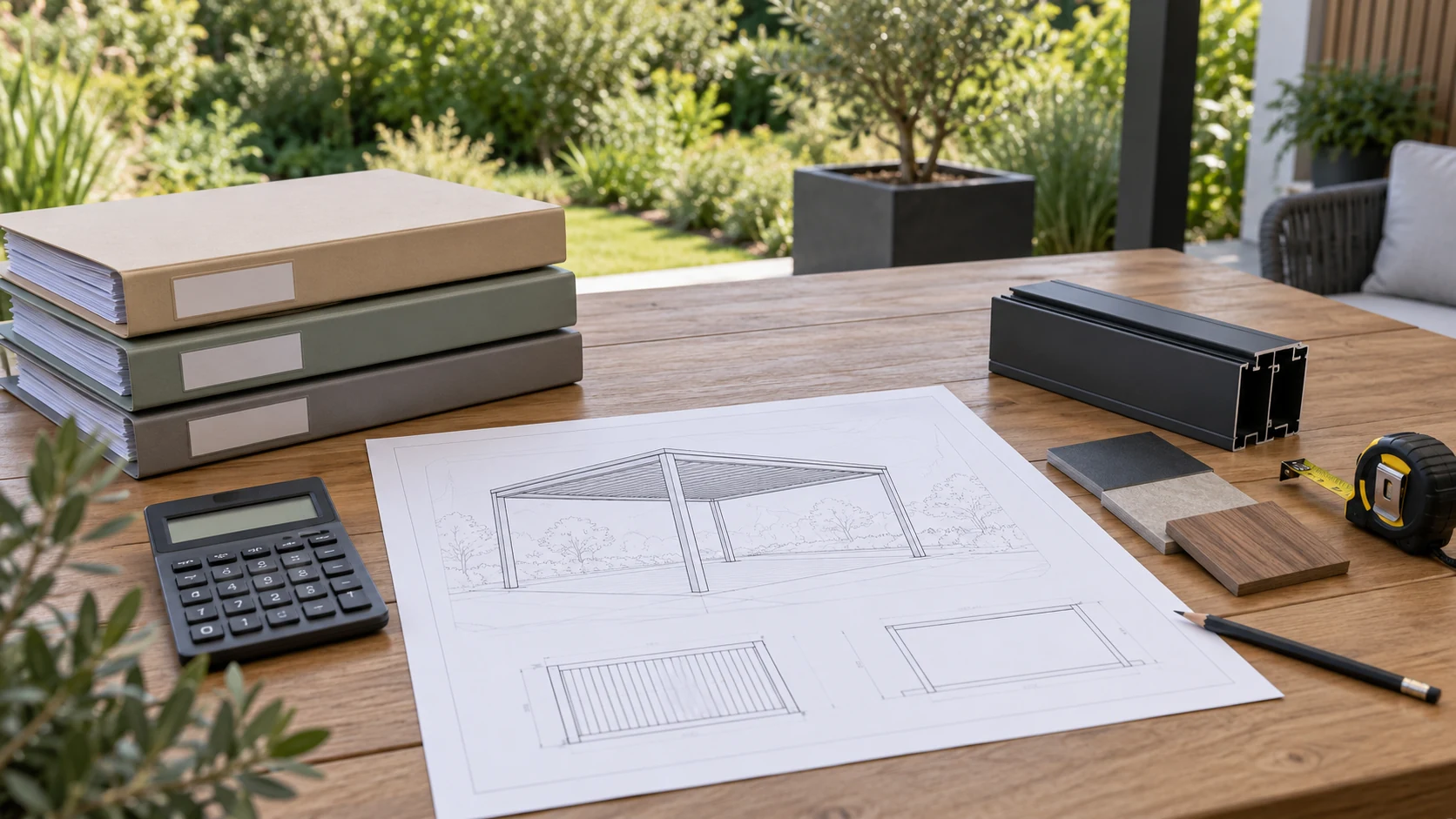
An OEM brief should turn a brand idea into reviewable requirements
An OEM enquiry often starts with a visual preference or a target market. To become useful, it also needs to explain the product configuration, documentation and presentation expected for that market. A logo request alone does not define a complete product brief. Separating the physical product from branding, packaging and supporting information makes the discussion easier to organise.
When preparing a TTH Pergola enquiry, describe the intended applications, model family and the features that are essential to your offer. Add the proposed finish and the documentation you need to review, while marking unresolved decisions clearly. Use tthpergola.com product pages as a shared reference rather than assuming every illustrated accessory belongs in the base order. For branding, identify the exact locations and artwork requirements that need discussion. For packaging, state the intended handling and destination context. Avoid treating an early concept as an approved production specification. A well-structured brief allows each part of the request to be answered, revised and confirmed without losing the original commercial objective.
Separate branding from product changes
An OEM enquiry should explain what needs to change and what should remain the same. Branding, packaging and a modified product configuration are different requests. Start with the intended product family, market and use, then identify each customization separately. Do not assume that changing a logo also covers altered dimensions or components. A clear brief helps the manufacturer assess feasibility and respond to the actual requirement rather than a broad request for customization.
Define the review materials
Ask what drawings, samples or artwork files are required for review. Use a controlled version of brand assets and identify the locations where they are intended to appear. For product changes, request confirmation of the implications for drawings, components and applicable documentation. Keep quantities, packing preferences and delivery expectations explicit, but avoid treating an early discussion as an agreed production commitment until the specification and commercial terms are confirmed.
Build a traceable approval sequence
Agree which items need approval before production and who is responsible for each decision. Keep artwork approval separate from technical configuration approval so a packaging sign-off is not mistaken for acceptance of every product detail. Record revisions and the final document set used for the order. This creates a practical foundation for repeat purchasing while leaving unconfirmed matters visible rather than hiding them in an attractive presentation. Where several people review the project, nominate a clear approval contact so changes to branding, packaging and product configuration do not arrive as conflicting instructions from different team members.
- State the product family and exact customization scope.
- Provide controlled artwork and dimensioned requirements.
- Confirm sample, drawing and production approval responsibilities.
Does a reference image define an OEM specification?
It defines a visual direction, but not the complete materials, dimensions, interfaces or documentation. Use it alongside a written brief and confirm the actual scope with TTH before treating the proposal as production-ready.