Solar canopy decisions
Solar Carports After Wildfire Smoke and Ash: Planning Recovery
Organize solar carport recovery after smoke and ash around site access, equipment assessment, professional cleaning and documented reopening.
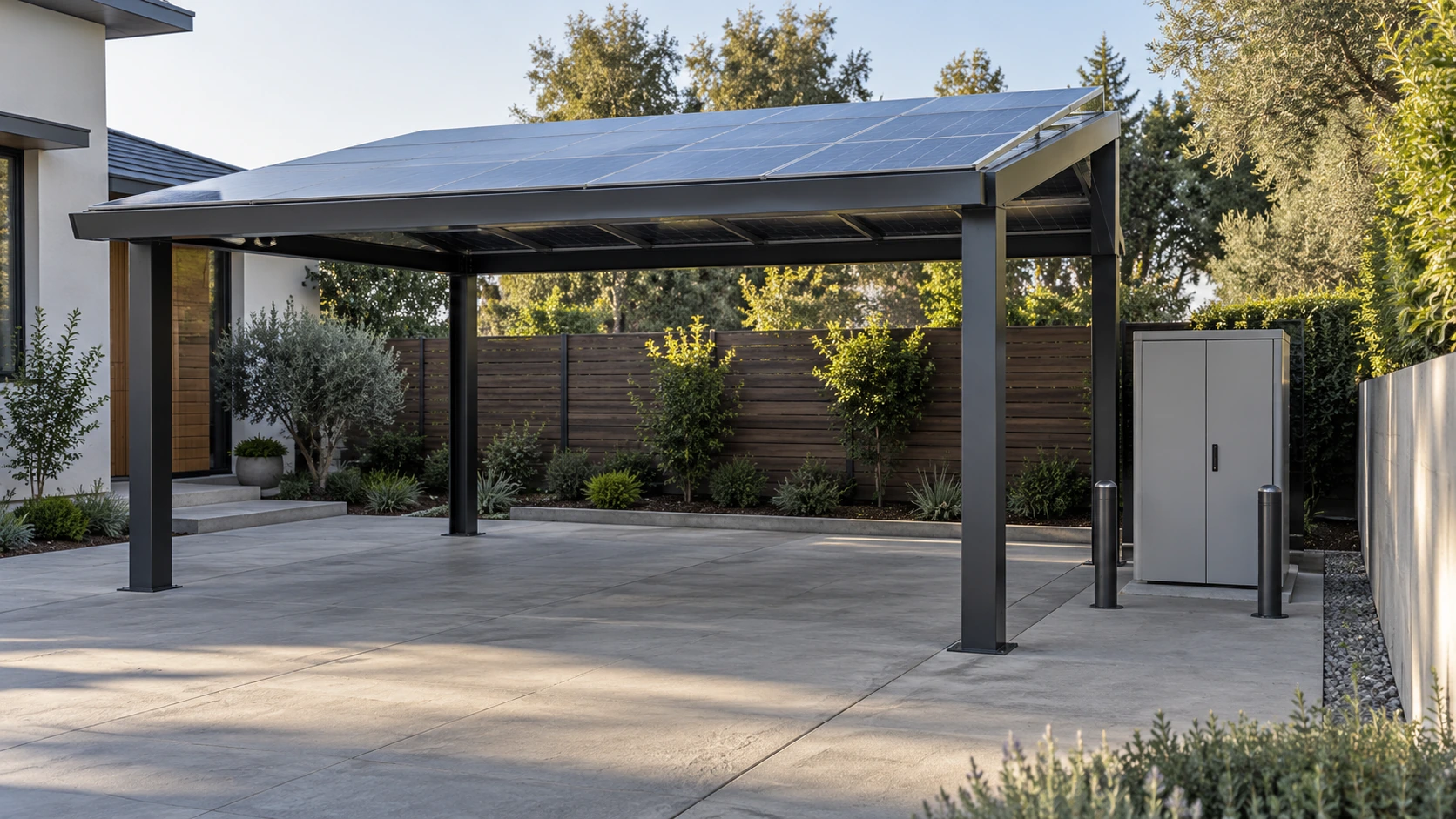
Confirm site access before planning work
Recovery after wildfire smoke or ash begins with local emergency arrangements and site access conditions. Clearer air or a more distant fire does not let managers assume every area is open. Confirm permitted activities through official and site procedures before coordinating facilities, solar maintenance and cleaning teams. Distinguish deposition from possible heat exposure and visible damage, with competent personnel making assessments. DOE wildfire resilience resources support risk planning, but do not establish that a canopy is fireproof or that the space beneath it is an emergency shelter.
Separate cleaning from equipment assessment
Deposition may affect surfaces and performance, but restoring appearance is not the sole objective. Maintenance specialists should use the event, instructions and inspection findings to define checks on modules, cables, connections and enclosures, then identify work ready for cleaning. Agents, water use, worker protection and waste handling depend on actual conditions rather than a routine post-rain cleaning method. Ordinary users should not touch suspect components, climb the canopy or restore power themselves. Record restrictions and responsible parties for unresolved items so site staff know which areas remain unavailable.
- Check access and emergency restrictions first.
- Separate inspection, cleaning and restoration approval.
- Keep event, image, work-scope and conclusion records.
Do not infer full recovery from one output reading
Imagine output rising after visible ash is removed at a campus. That change does not independently establish normal heat-exposed materials, connections or every component. Weather may also have changed, so two readings cannot attribute the entire improvement to cleaning. Handover should list inspected items, cleaned areas, findings and data needing observation, with the responsible team approving the scope of restoration. Visible damage requires professional assessment and isolation arrangements first. This is a maintenance planning example, not a diagnostic tool or a safety judgment on a particular affected installation.
Keep observation and reporting in place after reopening
Assign separate confirmations for public access, parking and solar operation, using phased or area-specific arrangements if appropriate. Continue observation of alerts, data gaps and items required by inspection reports without asking unqualified staff to interpret electrical risk. Retain event timing, safely obtained images, work orders and contractor conclusions for maintenance and insurance discussions. Review combustible surroundings, access routes and contacts under local requirements. Incorporating findings into the operating plan improves consistency in future responses without turning one recovery experience into evidence of a fire-resistance rating.
Can post-event checks end once ash is removed and power returns?
Not on appearance and one generation reading alone. Complete the event-specific assessment, findings and restoration approval, retaining records and observing required alerts. Access, parking and electrical operation need separate confirmation by the responsible teams.
More questions, practical answers →