Design details
Approving a pergola sample: what to compare
TTH Pergola aluminum pergola guide: match samples to the exact finish, component and configuration being ordered.
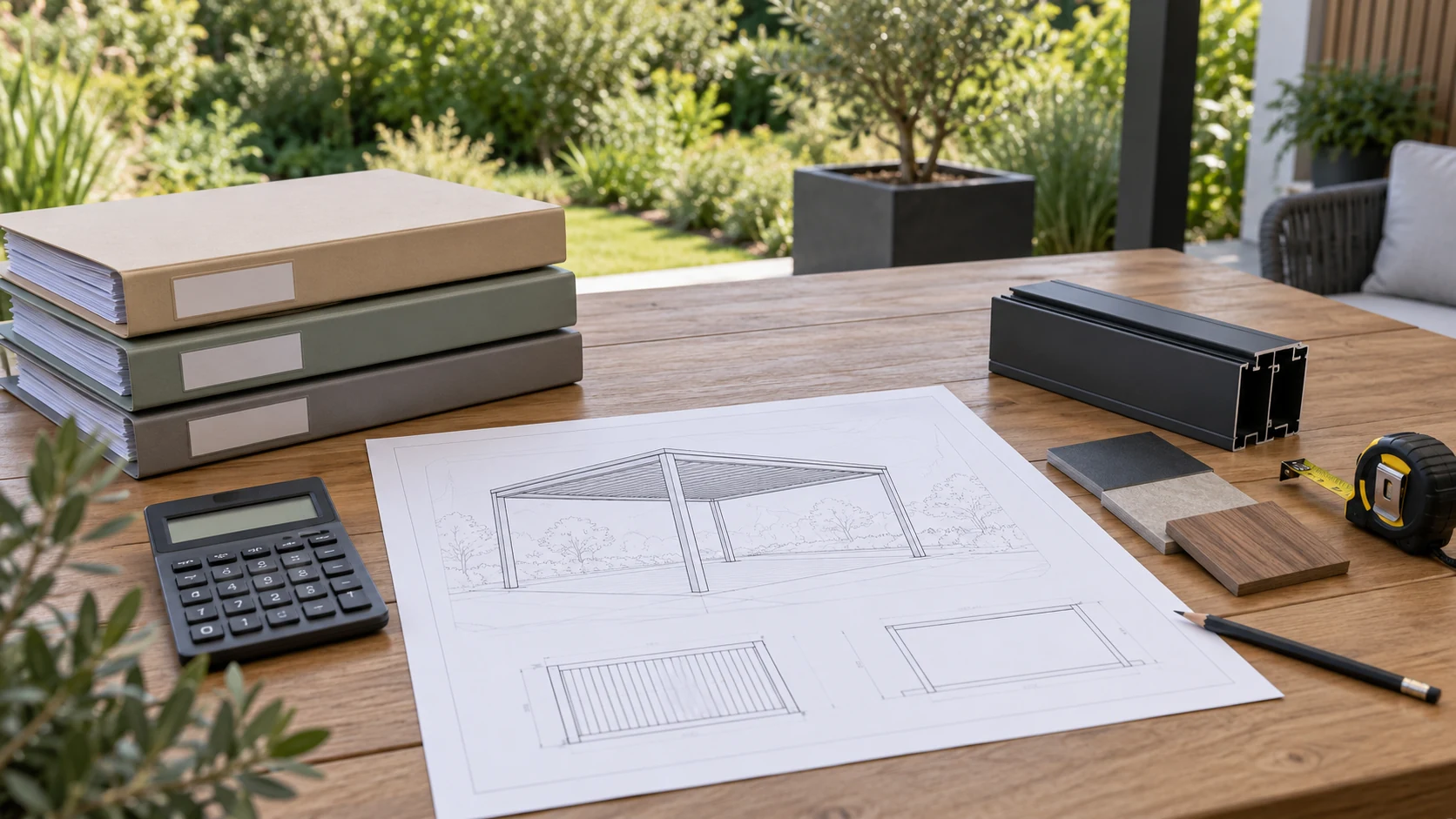
Approve a sample against a question, not just an impression
Different samples answer different questions. A finish sample helps compare colour and texture; a profile piece helps explain a section; an assembled connection helps show how components meet. Looking at one sample and treating it as proof of every product attribute gives it a role it cannot fulfil. Identify the purpose of the review before deciding what to request.
For TTH Pergola, record the sample reference, the aspect being checked and any agreed comments. Compare a finish in the intended surroundings, and compare a profile against the relevant documented dimensions. The product images on tthpergola.com support recognition but do not replace the sample that has been agreed for approval. If the sample changes, update the record rather than relying on a verbal description of the difference. This is particularly useful when several people are involved in design and procurement. A clear approval tells the next person what was accepted and what remains outside its scope. It supports a more consistent order without inventing a guarantee that the sample was never intended to provide.
Define what the sample represents
A sample may demonstrate colour, texture, a profile section or an accessory material. Ask which of these it is intended to confirm. A small finish sample cannot establish the appearance of every assembled joint, and a profile offcut does not show the complete installation. Record the associated model or finish reference so approval has a clear meaning. Otherwise, a general statement that the sample looks good can be interpreted too broadly.
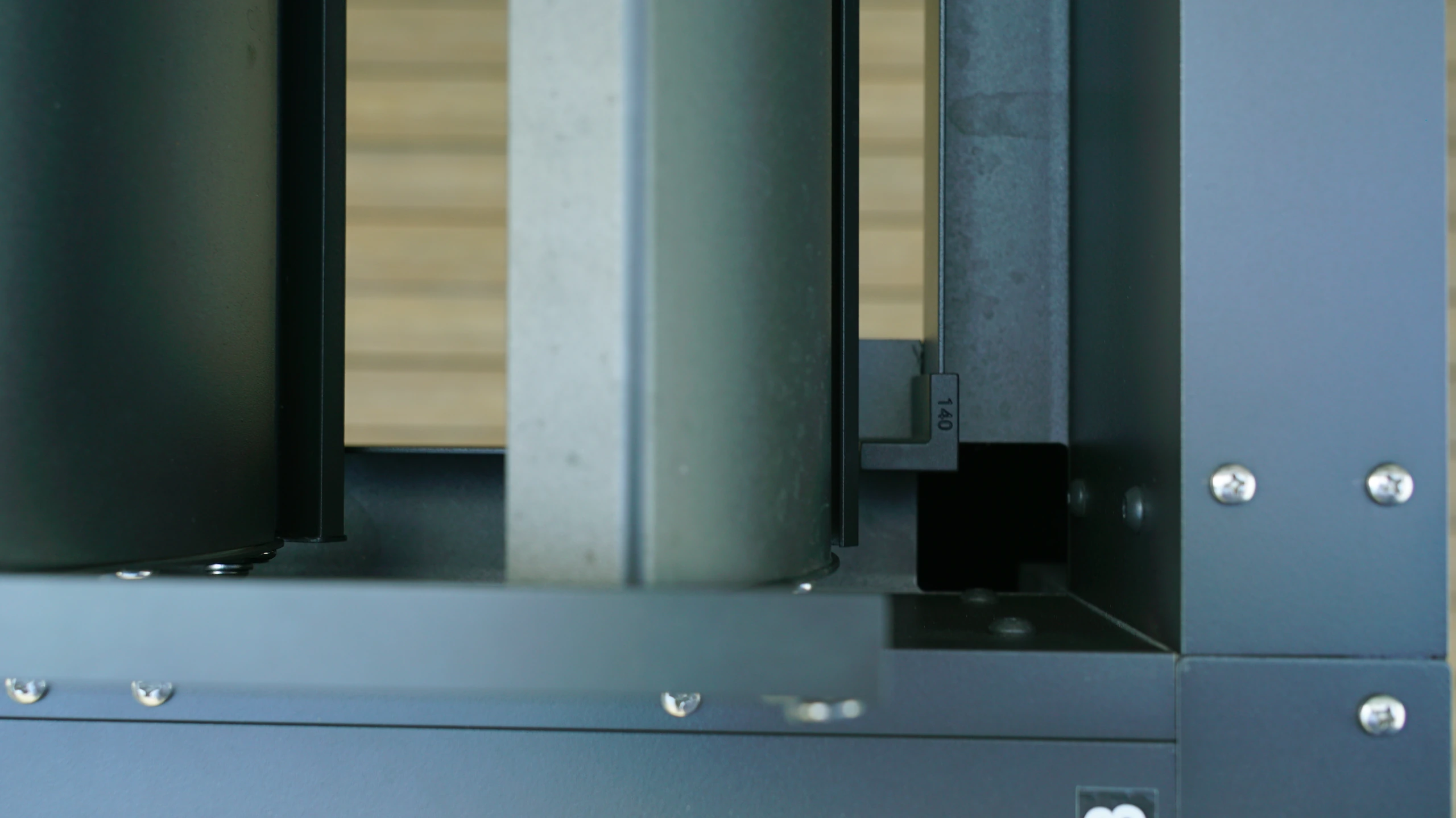
Compare under relevant conditions
View a finish sample beside the building and furniture where practical, and examine it under more than one light condition. For an accessory material, ask what its appearance does and does not demonstrate about performance. Use written dimensions to confirm profile data rather than estimating from a photograph of the sample. If several options are being reviewed, label them clearly and keep the comparison focused on the same characteristic.
Record the approval boundaries
Write down the exact sample reference, the aspect approved and any remaining questions. Keep technical configuration, colour and packaging approvals separate when they serve different purposes. If the final order changes, ask whether the approved sample still applies. Preserve a usable record for later comparison without promising that every screen photograph will match a physical item exactly. A precise approval helps both buyer and supplier understand the decision and avoids treating a limited sample as proof of the entire product. Where a sample is retained by more than one party, use the same reference label and approval date so later discussions relate to the same item.
- Identify the sample's intended purpose.
- Compare matching characteristics.
- Record exactly what has been approved.
Does approving a colour sample approve the whole product?
No. Approval should be limited to the aspect the sample represents. Dimensions, accessories and project details still need their own confirmation within the TTH order documentation.