Installation & care
Pergola insect screens: compare the mesh and every surrounding gap
Review mesh purpose, perimeter details, entrances, ventilation and cleaning access before treating a pergola screen as a complete insect barrier.
Choose for the intended purpose
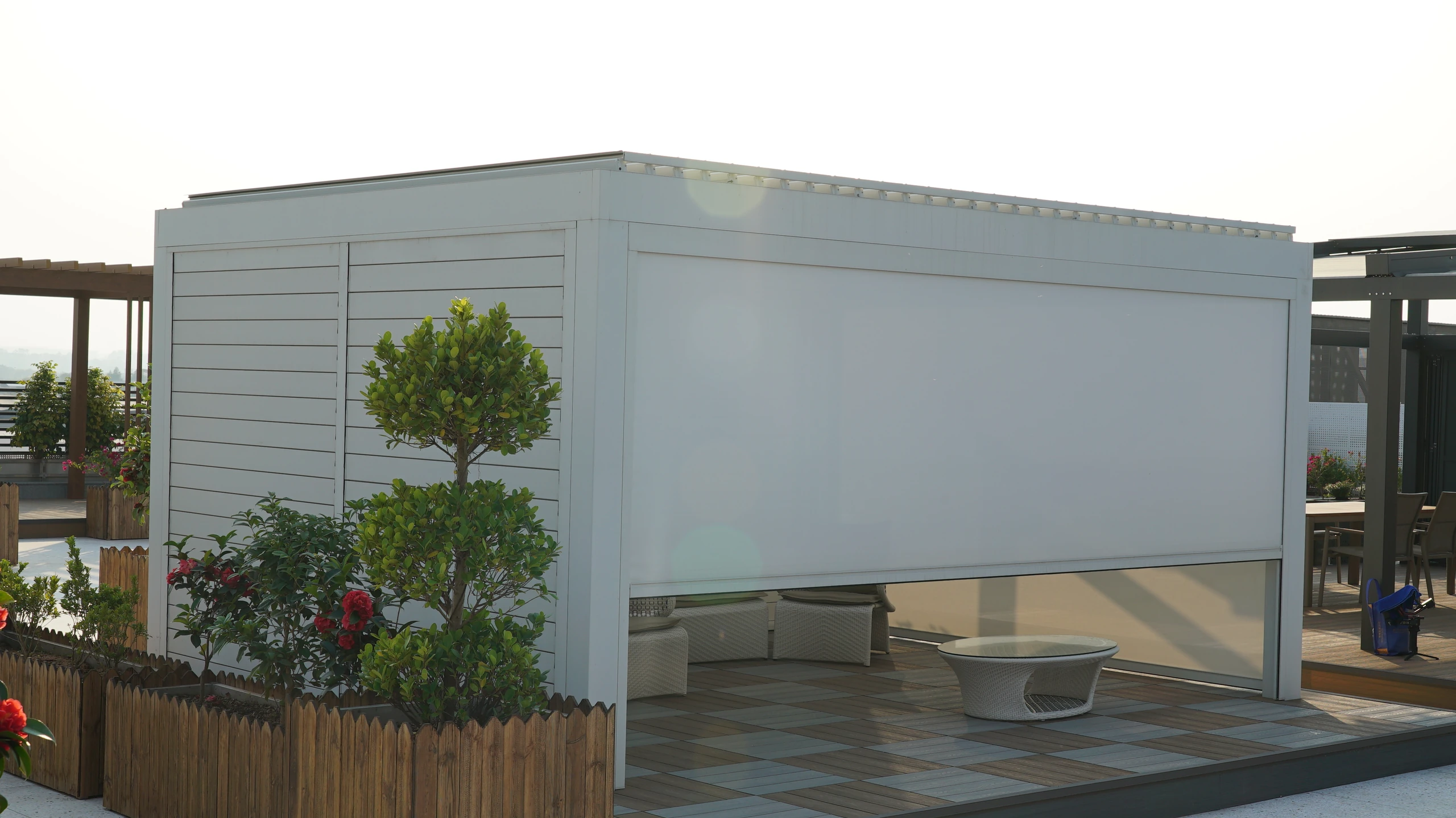
Screen fabrics can be selected for different purposes, including shade, view, privacy or insect screening. The same product label does not establish every function. Ask for the exact mesh identity and the manufacturer's stated use, especially when very small insects are a concern. Manufacturer screening ranges show that different meshes target different combinations of visibility, ventilation and insect protection. Those product descriptions do not prove the performance of an unspecified TTH accessory. Begin with the local nuisance and the desired use of the space, then confirm which actual screen system is being offered.
Trace the complete perimeter
A suitable mesh still leaves questions at side guides, the bottom rail, thresholds, corners and the junction with the roof. Doors and routinely open sides also affect how insects can enter. Ask the installer to explain the intended perimeter details and their maintenance requirements. Do not seal drainage paths or moving interfaces with improvised strips to chase a fully closed appearance. The objective is a compatible system with understood limits. A pergola's outdoor roof and side arrangement should not be described as a sealed room unless the actual complete construction has evidence supporting that claim.
Balance ventilation, use and cleaning
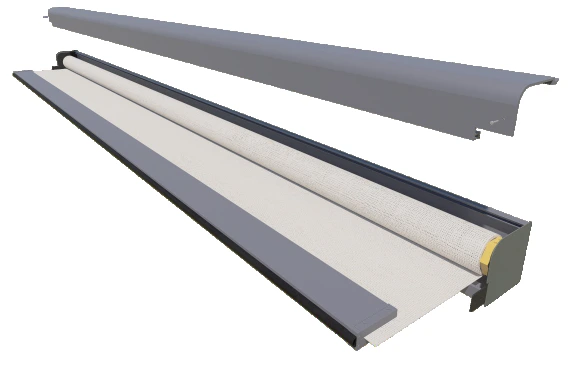
Imagine a family choosing a screen for evening meals while children frequently pass through the entrance. A finer mesh alone cannot address the time that the entrance remains open. Compare entry arrangements, visibility and the ability to clean the bottom area where debris collects. Ask for samples and relevant product information rather than inventing an airflow percentage. This hypothetical example shows that the best choice depends on everyday behaviour as well as fabric. The family may value a convenient entrance and manageable cleaning routine as much as the mesh specification itself.
Maintain the system that was actually supplied
Follow the supplied cleaning instructions and inspect accessible mesh and perimeter areas during routine care. Record tears, displaced seals or changes in movement before asking for service. Keep the mesh and screen identities available so replacement material can be matched through the supplier rather than selected by colour alone. For a TTH enquiry, state the intended insect-screening purpose explicitly and ask what is included in the complete side system. Leave any unsupported insect-exclusion or ventilation claim out of the specification. When replacing the fabric later, confirm compatibility with the existing guides, bottom rail and drive. A material that appears suitable on its own may change the fit of the complete assembly. Keep that replacement decision with the screen identity rather than treating the fabric as an unrelated purchase.
- Confirm the exact mesh, stated purpose and complete screen-system identity.
- Review guides, bottom edges, corners, roof junctions and entrances together.
- Keep cleaning access clear and record damage before ordering replacement material.
Does a ZIP screen make a pergola completely insect-proof?
That should not be assumed. The mesh purpose, guides, bottom edge, corners, roof junction and open entrances all matter. Ask for the exact supplied system and its documented limits. Do not block drainage or moving interfaces to create a sealed appearance, and keep the perimeter in the specified maintenance routine.
More questions, practical answers →