Solar canopy decisions
Split Solar Carport Contracts: Coordinating Structure and PV Suppliers
Coordinate split solar carport contracts across module mounting, roof details, cables, changes and acceptance with named interface responsibilities.

Identify where the two contracts meet
When structure and solar installation are procured separately, gaps often occur between contracts rather than within clearly priced equipment. The owner or main contractor should map structure, mounting, roof joints, drainage, cable routes, supports and acceptance, assigning requirements, design, approval, construction and inspection. DOE procurement and installation guidance helps organize coordination, while project contracts establish actual responsibilities. Do not assume the solar installer may alter the frame freely or the structural supplier automatically owns every electrical interface. Both parties need explicit, mutually understood boundaries.
Coordinate information on the same design version
Provide module models, dimensions, fixing locations and relevant actions to the structural designer, and structural geometry, permitted connections and access limits to the solar team. Where the assembly also sheds rain, identify joint and drainage design and verification responsibility. Work from one approved drawing and equipment version so one party does not fabricate for an obsolete module. Give site issues a formal change and approval route rather than relying on verbal agreements between crews. The register should assign interface verification and evidence, not only construction tasks.
- Assign requirements, design, approval, construction and verification.
- Share current drawings and equipment versions.
- Cover contract boundaries in changes and acceptance.
Test the process with an added cable support
Imagine an installer finding the planned cable route inconvenient and proposing brackets with holes in a structural member. Without an interface approver, work may proceed before structural or finish implications are reviewed. The project process should evaluate alternative routes or connections, document approval and use qualified personnel. This is not drilling or wiring guidance; it shows that a small change can cross contract boundaries. Lighting, charging devices and later signs can raise similar issues, so the process should address additions beyond the original main equipment.
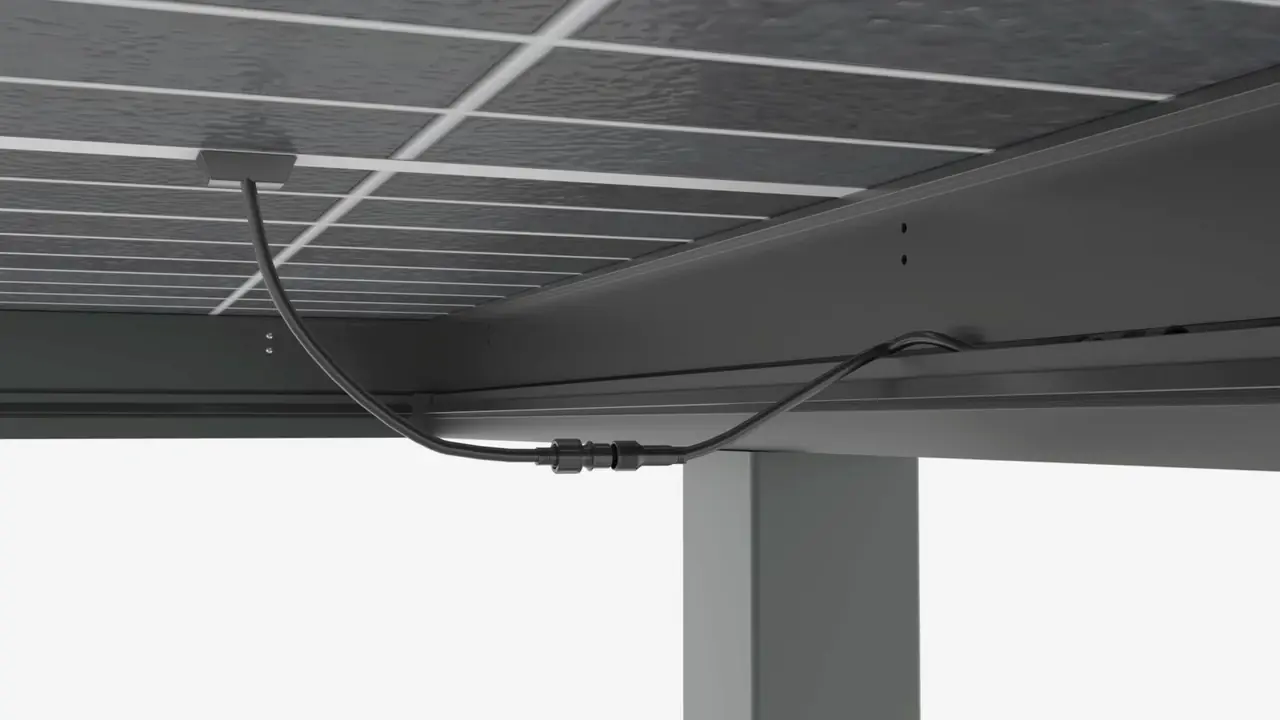
Coordinate acceptance and support across contracts
Final acceptance should review interface evidence, changes and open items rather than collecting separate completion statements only. When a fault or leak arises, owners need a reporting and coordination route before specialists determine causes and responsibilities; users should not have to diagnose which contract applies. Retain warranty, installation and maintenance scopes separately. Use the same approval and record process for later additions or replacements. Split procurement may suit a project, but its effectiveness depends on practical interface management rather than the number of suppliers involved.
Why review interfaces if both suppliers provide acceptable documents?
Each document may cover only its own scope. Mounting, connections, drainage and cable routes cross contracts. Assign interface design, approval and verification, use consistent drawings and retain changes and acceptance records. Separate completion statements do not establish whole-project coordination.
More questions, practical answers →