Project planning
Pergola installation and handover checklist: what to verify with your installer
A practical TTH Pergola installation and handover checklist covering approved drawings, site readiness, model identification, roof controls, drainage, accessories and owner records.

A handover should explain how the pergola becomes yours
Once a pergola looks finished, it is easy to focus on the photographs and overlook the information that makes everyday ownership straightforward. The owner needs to know what was installed, how the normal controls work and where to find the relevant instructions. A useful handover connects the physical product with those records while the installer is still familiar with the project.
For TTH Pergola, walk through the agreed configuration rather than an unrelated demonstration model. Identify the controls, moving parts and maintenance access points that apply to that installation. The detail views on tthpergola.com can help name a component, but the project record should identify the actual model and accessories supplied. Record any incomplete item or agreed follow-up clearly, with a responsible contact. Keep photographs of the completed arrangement alongside the approved drawings and order references. This does not turn handover into a long technical lecture. It creates a usable reference that helps the owner operate the space, describe a later question and distinguish normal behaviour from a change that deserves attention.
What should be confirmed before installation starts?
Put the approved drawing, exact model, component schedule and supplied installation instructions in the same project folder. Ask the installer to check them against the current site: finished ground levels, supporting locations, doors, access and the intended drainage destination. If the site differs from the drawing, have the affected detail resolved before proceeding with that work. A generic article cannot supply the correct anchors, connection details or electrical instructions for every installation; those must match the selected system and reviewed site.
Separate responsibilities early. Confirm who performs final measurements, reviews the supporting surface, handles and stores the parts, completes electrical work and records completion. For TTH 145/175 and TTH 200/220 families, keep the exact ordered model visible even where the family uses shared photographs. This helps the installation team use the applicable component information rather than relying on appearance alone.
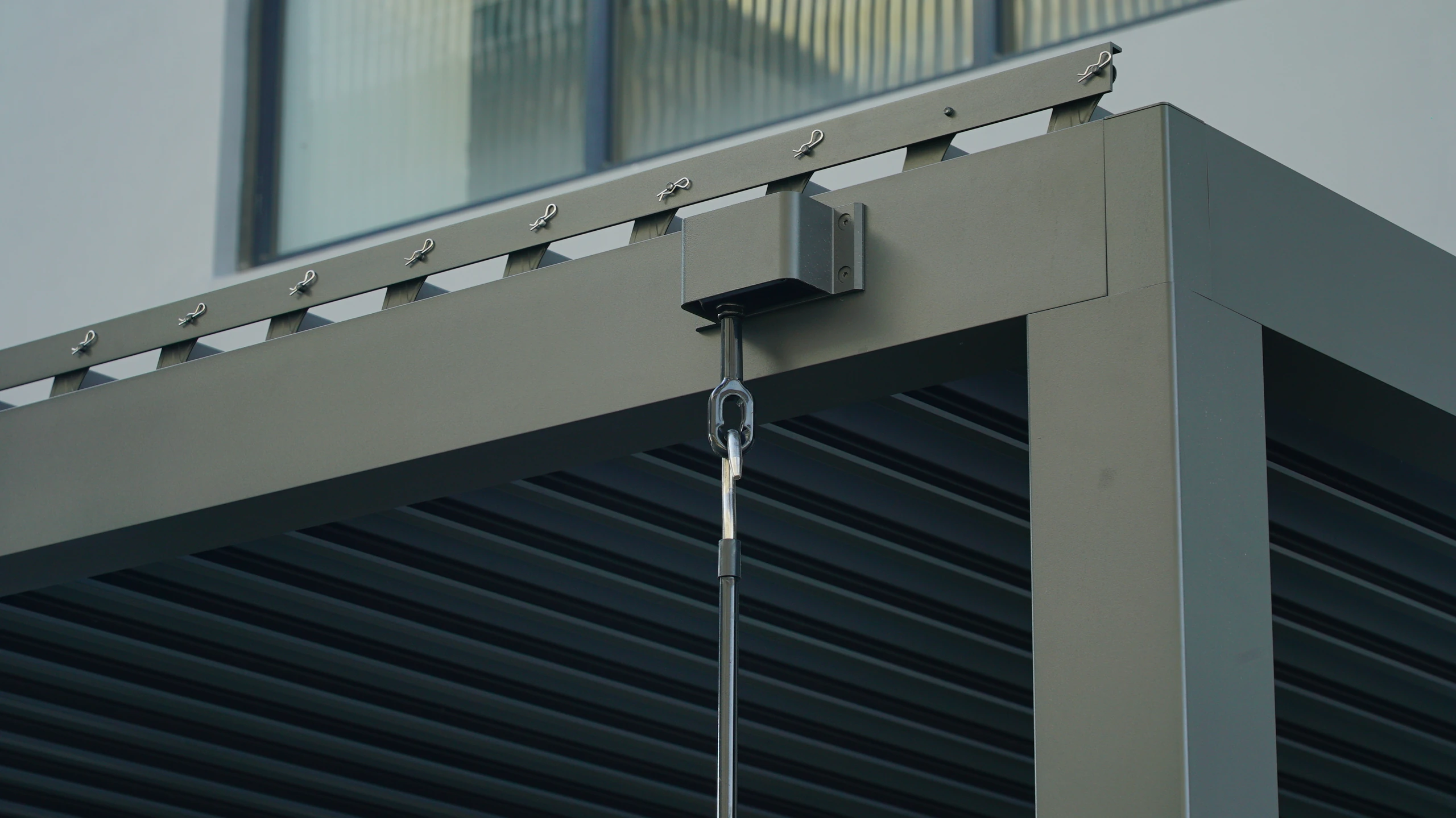
Start with the agreed configuration
A useful handover confirms what was installed and explains how it should be used. Compare the completed pergola with the approved drawing, model and accessory schedule. Record any agreed change rather than relying on a verbal explanation. The aim is not to recreate the supplier's technical inspection, but to give the owner a clear product record and identify questions that still need a response before the project is considered complete.
Demonstrate normal operation
Ask the installer to demonstrate the roof and any screens, glass or lighting included in the order. Confirm the normal controls, stopping procedure and the guidance supplied for weather or unusual operating conditions. Note which tasks the owner may perform and which need professional support. Avoid testing limits by forcing movement or deliberately obstructing components. Keep the operating instructions accessible to everyone who will regularly use the pergola.
Which checks belong in the handover record?
Walk through the finished system with the responsible installer and record an outcome for each item: confirmed, not included or follow-up required. Use photographs to locate the relevant detail and attach the instruction or drawing reference where one applies. The owner checklist complements the installer documentation; it is not a substitute for required technical inspection or a reason to test the structure beyond its supplied guidance.
| Check | What to observe or request | Record to retain |
|---|---|---|
| Product identity | Installed model, dimensions, accessories and approved changes | Order reference and current drawing |
| Visible completion | Finish, covers and any visible incomplete work | Dated photographs and follow-up list |
| Roof and side operation | Normal start, stop and intended travel demonstrated by installer | Applicable instructions and control identification |
| Drainage | Intended water route, outlets and permitted cleaning access | Outlet plan and maintenance guidance |
| Electrical scope | Installed controls, lighting and completion information from responsible installer | Equipment information and relevant handover documents |
| Care and support | Owner tasks, professional tasks and contact for assistance | Maintenance documents and named contacts |
How should unfinished items be handled?
Describe the exact location and issue rather than writing a general note that the pergola needs attention. Assign the responsible party and agreed next action, and distinguish a cosmetic question from an operating issue or incomplete work. Do not mark an unresolved item as completed merely because the overall installation looks finished. Where the supplied guidance or installer advises against use, follow that instruction until the affected item is resolved.
After follow-up, retain the updated record and any revised operating or component information. This gives an owner or property manager a consistent description of the installed TTH system and prevents later support enquiries from restarting the same conversation with an outdated photograph.
Keep a concise completion file
Store the final drawing, model information, accessory list, care guidance and support contact together. Include photographs of the completed arrangement and a list of any outstanding items with the responsible party identified. If warranty documents are supplied, read their actual scope rather than assuming a standard term. Clear records make later maintenance or replacement enquiries more precise, especially when a product family contains multiple profiles or control options. A brief written list of pending items should distinguish appearance questions, operating questions and incomplete work so each can be directed to the appropriate responsible person.
- Confirm the installed model and approved changes.
- Demonstrate controls and explain the supplied instructions.
- Record outstanding items and where support should be requested.
What is the most useful document to keep after handover?
Keep the approved configuration and its identifying references together with the operating and maintenance instructions. The useful record is the one that describes your installed TTH system, not only the general sales brochure.
Can an online checklist replace the installation manual?
No. This checklist helps organize questions, observations and records. Use the instructions supplied for the exact model and the project-specific details confirmed by the responsible professionals for installation work. Request clarification from TTH or the installer whenever the supplied documents and actual site do not match.