Commercial projects
Changing hotel operators: hand over pergola records without losing continuity
Organize handover by equipment identity, operating access, service state and fault contacts so the incoming team can locate and verify the actual assets.
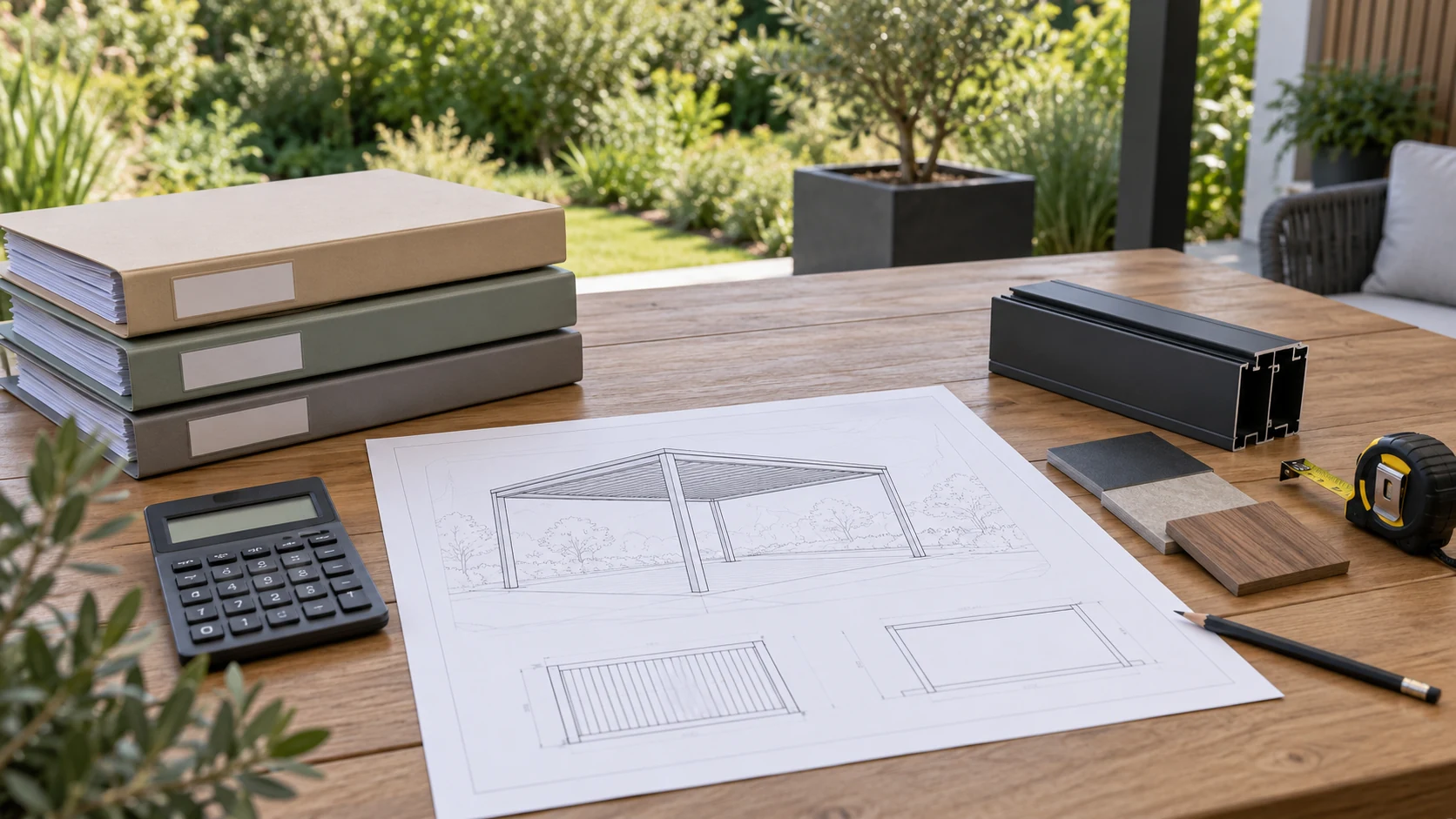
Match document names to real equipment
When hotel operations change hands, an asset list may say courtyard equipment while service records use a supplier model, leaving new staff unsure whether they refer to the same installation. Give each unit a stable identifier with location, photographs, model and drawing revision, then associate accessories and controls. The identifier can be simple but should mean the same thing to duty staff and service providers. Mark conflicting historical records for checking instead of substituting a visually similar model. Clear identity provides the anchor for access, maintenance and fault information.
Hand over operating and document access separately
Access to maintenance files does not establish permission to control equipment, and possession of a remote does not teach stopping or fault response. List actual controls, keys, any management accounts and document locations for transfer through approved channels by authorized people. Do not place passwords in ordinary shared spreadsheets or retain personal-account sharing for convenience. Review or removal of old access should follow hotel procedures and supplier requirements. Record responsibility and confirmation status in the asset file without storing sensitive credentials themselves.
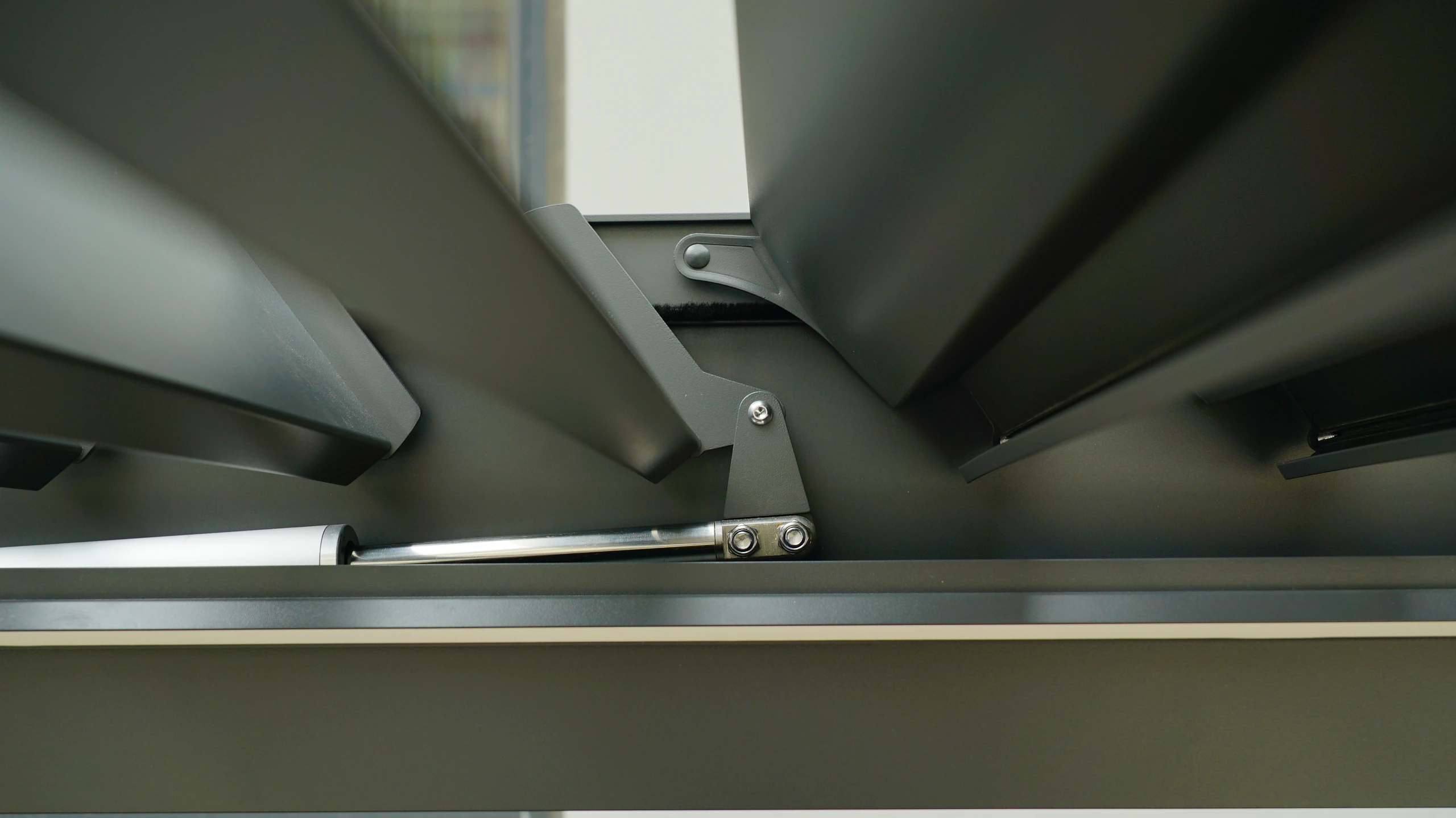
Rehearse a hypothetical night-shift fault report
Imagine a side component behaving abnormally during the incoming team's first night shift. Staff should use the asset identifier to find the right instructions, stop affected use as required, report the issue and reach the correct person rather than circulate an ambiguous photograph. Rehearse that information search during handover without creating a real fault. Log missing files, outdated contacts and unclear responsibilities as actions. The hypothetical exercise tests handover practicality; it does not replace repair training or require general staff to dismantle equipment.
Sign off open issues separately from normal status
The maintenance record should distinguish completed work, unresolved faults, ordered parts still awaiting delivery and the person following up. File transfer is not evidence that all equipment is normal. The incoming team can acknowledge that records were located and understood while preserving limits on unchecked condition. Assign a records owner after handover and update the asset when service, relocation or control changes occur. This preserves history through an operator change and reduces duplicated enquiries, repeated inspections or assumptions that past problems have resolved themselves.
Where paper and digital records coexist, identify the current version and label retained older documents. Staff should not have to guess between similarly named folders. Consistent identifiers and update rules allow later arrivals to follow the same path through the equipment's history.
- Link site identifiers to photographs, models and drawings.
- Transfer operating and document access through authorized channels with separate status records.
- Rehearse fault lookup and list unfinished service work separately.
Is sending the pergola manual enough to complete an operator handover?
No. The team must match instructions to the asset and confirm operating access, stopping procedures, service state and fault contacts. A desktop reporting exercise can test retrieval. Transfer open repairs separately; receiving files does not establish that equipment condition has been fully checked.
More questions, practical answers →