Solar canopy decisions
Solar Carport Bonding and Earthing: Records to Request at Handover
Review system drawings, test records and responsibilities for solar carport bonding and earthing rather than inferring completion from conductive materials.
Metal contact is not an electrical safety design
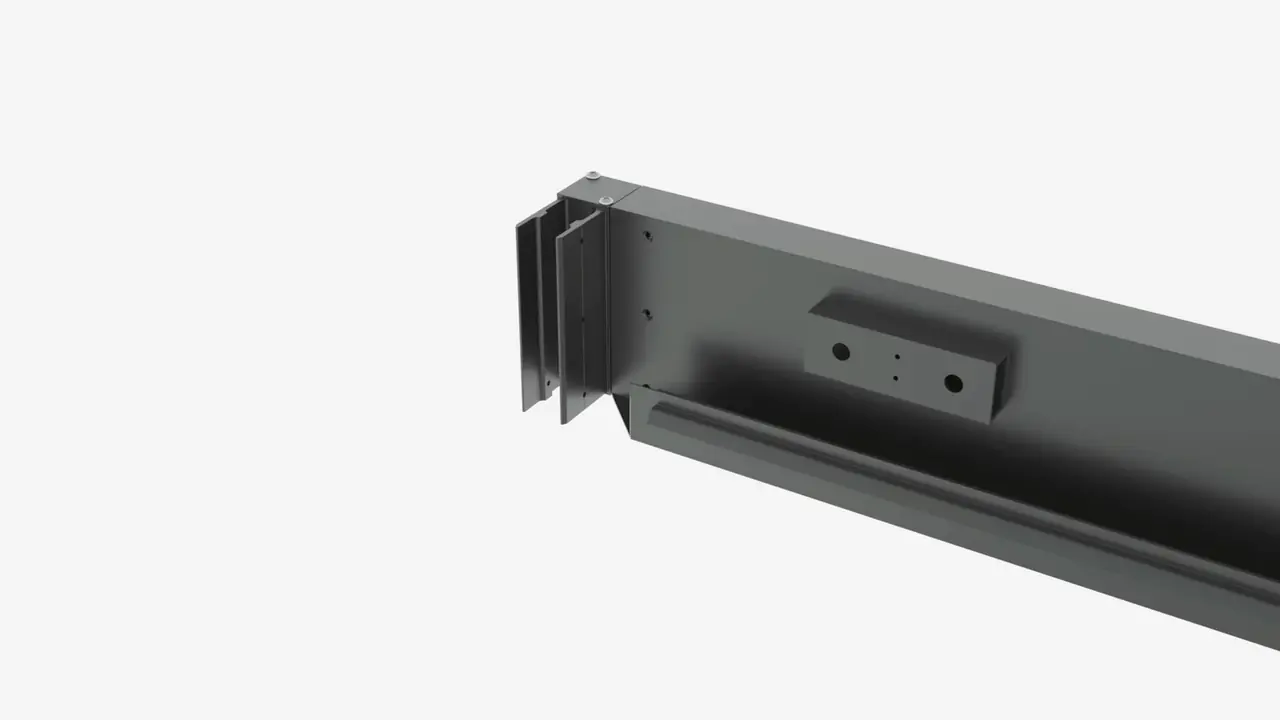
A metal carport frame does not automatically satisfy bonding or earthing requirements between modules, supports and electrical equipment. Structural connections and electrical protection serve different purposes; finishes, connection details and actual devices need professional consideration. Buyers should not decide that a bolt substitutes for an engineered arrangement or wire the system from a general article. Ask who designs the complete electrical system, which drawings describe its connections and who inspects and records the installation. Defining those responsibilities is more useful than asking only whether an earth wire is present.
Request drawings and records that correspond
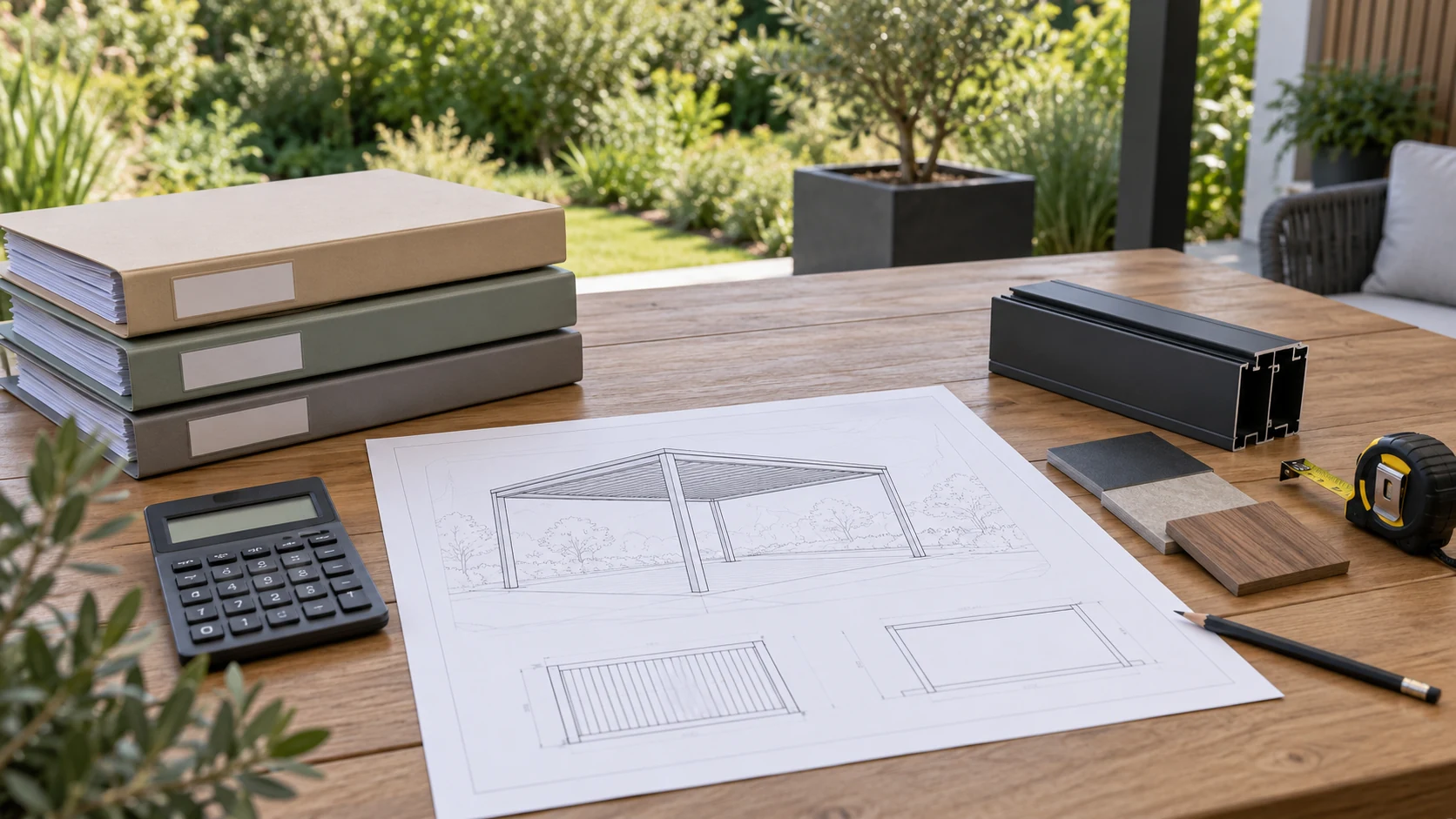
Handover should connect installed models, system drawings, applicable instructions and inspection or test records. Reports need identifiable project scope, dates, responsible personnel and outstanding matters, not an unrelated generic compliance document. Local requirements and the professional design determine tests and acceptance conditions; this guide gives no values or procedures. With separate structural and PV contractors, assign an interface coordinator and confirm that both sets of documents describe the same completed system. Resolve contradictions before accepting the affected work.
- Match drawings, schedules and installed configuration.
- Retain inspections with project scope and responsible sign-off.
- Assign review after structural alterations or equipment replacement.
Consider a changed connection component
Imagine maintenance replacing a support or connection and assuming restored appearance completes the work. The responsible electrical professional still needs to determine whether the alteration affects protective arrangements or requires checks. Property staff should not decide from visible metal contact. Records must remain continuous across disciplines: note the location, replacement and responsible review. Structural photographs without the corresponding system assessment may leave future maintenance teams unable to determine whether the original acceptance still applies to the present configuration.
Identify the drawing revision in records so later service teams can determine which configuration was assessed.
Respect the scope of certification evidence
UL's mounting-system information describes dedicated evaluation scopes; citing it does not establish certification of TTH products or this project. Check every certificate against actual products, configurations and markets, without borrowing another manufacturer's mark or report. Give valid documents to the asset owner and include new charging, lighting or equipment in the change process. Routine staff should report damage for professional handling rather than adding connections. Good handover leaves traceable evidence and responsibility, not an unexplained grounded label.
Does a conductive aluminum carport remove the need to review earthing records?
No. Conductivity does not establish an installed and checked protection system. Qualified personnel should provide drawings, inspections and responsibility matching actual equipment and configuration, with review after changes. Buyers should not wire it themselves or substitute another product's certification for project evidence.
More questions, practical answers →