Trade & procurement
Make pergola installer training a practical project handover
Organize pergola installer training around drawings, site interfaces, checks, user handover and escalation, then verify understanding through tasks.
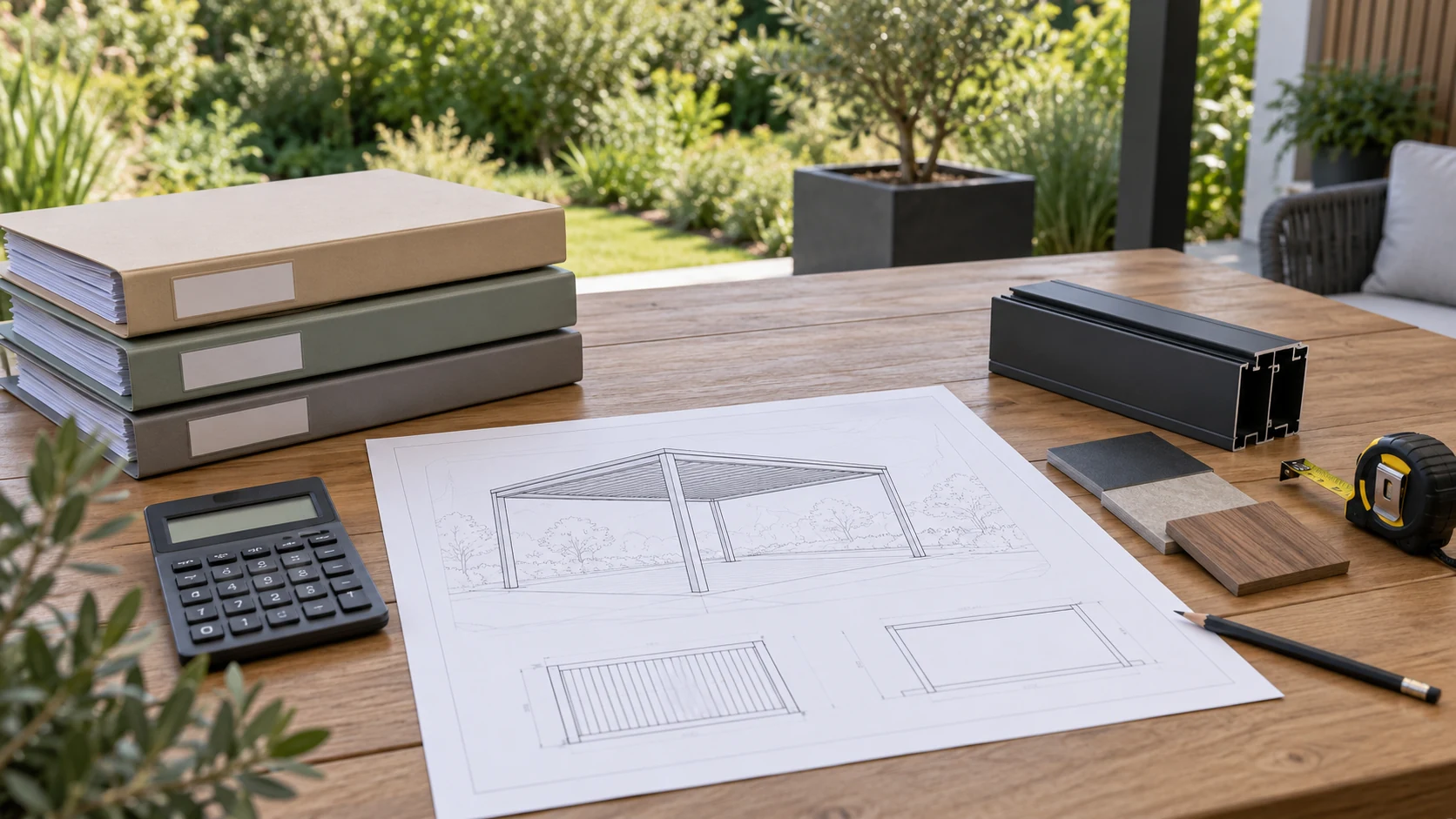
Start with the work the team will perform
When a dealer introduces a pergola line, training should cover more than selling points and finished-product demonstrations. Installers need to understand their responsibilities, work belonging to designers or other trades, and the information required before starting. Connecting responsibilities to the project prevents a product introduction from being mistaken for complete installation guidance.
Confirm the model, configuration and document revision covered by training. Different controls, enclosures or connections may require different instructions despite similar appearances. If a demonstration unit is used, explain differences from the actual order so the team understands what can be reused and what needs additional confirmation.
Organize practice around critical handovers
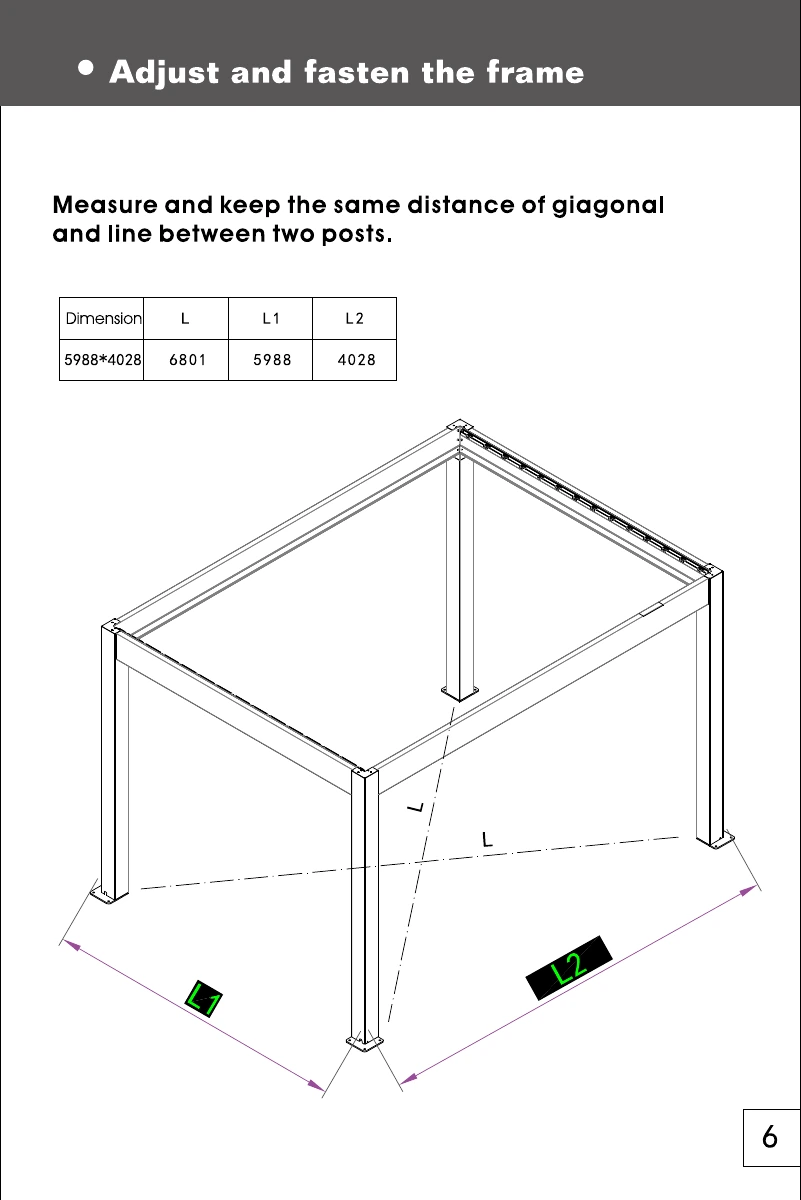
Use practical tasks: read the approved drawing, locate a part through the packing list, check interfaces, record results and explain normal operation and care to the user. For foundations, anchoring and electrical matters, teach the required conditions and responsible people rather than treating a short course as a replacement for qualifications or project design.
Place common questions at the relevant step. If an opening differs from the drawing, a part ID changes or an accessory behaves unexpectedly, what information should be retained and who receives it? Clear stop conditions discourage improvisation. Brief materials are sufficient if a new team member can still find essential instructions and contacts.
Verify understanding through explanation and tasks
Imagine a team that can operate the remote after a demonstration but cannot explain the prescribed maintenance isolation or transfer user access to the owner. They have watched a presentation without receiving a complete handover. Asking participants to explain the sequence and perform permitted demonstration tasks reveals gaps better than collecting attendance sheets.
Before a project, rehearse a document check using an order, drawing and parts list. Ask the team to identify the current version, interfaces and unresolved matters. Feed the findings back into training materials. Technical decisions on the live project still follow assigned responsibilities and manufacturer instructions; an exercise is not final acceptance.
Keep the knowledge usable after training
Provide searchable materials, scope and escalation contacts, recording who received which version. Update affected sections after product or control changes and identify obsolete instructions. Staff turnover also requires a handover; a company's previous attendance does not mean its present crew holds the same knowledge.
Capture first-project feedback in a short issue list, separating unclear instructions, different site conditions and actual faults. Improvements can then target the right step without turning an individual's unverified experience into a rule for every model.
- Specify model, configuration, responsibilities and document revision.
- Check understanding through drawing, part and handover tasks.
- Record stop conditions, escalation routes and update methods.
Does watching an installation video qualify a team for every configuration?
No. A video covers the model, conditions and steps shown, while the actual foundations, connections, electrical work and accessories may differ. Obtain the current order's complete instructions, identify responsibilities and other professional work, and verify understanding through practical tasks rather than a watched status.
More questions, practical answers →