Compact pergola living
DIY pergola assembly or hired installation: separate the work
Compare DIY and hired pergola installation by separating tasks, responsibilities and the evidence needed before work starts.

A kit inventory is not the whole job
A pergola kit containing fixings and a manual can make the remaining work look deceptively small. Obtain the correct installation requirements and list site verification, handling, foundations and connections, electrical work, assembly and final checks separately. Identify what the quotation includes and what the owner must arrange. Another brand’s video cannot fill gaps in the actual instructions. Household participation depends on the tasks, tools, experience and site conditions. Establish applicable local requirements and suitable responsibility for structural or fixed electrical work before deciding how to buy the installation.
Compare savings with the responsibilities retained
Compare the complete costs of tools, assistance, temporary storage, possible rework and appropriate inspection rather than subtracting installation labour alone. For hired work, verify identity, relevant licensing or qualifications, insurance and comparable experience, then document scope and payment stages. NAIC contractor guidance offers background for these checks, not a guarantee about a particular business. Willingness to assemble a kit does not establish site suitability. Ask which drawing supports the quote, what still requires an on-site check and who decides how unresolved conditions will be handled.
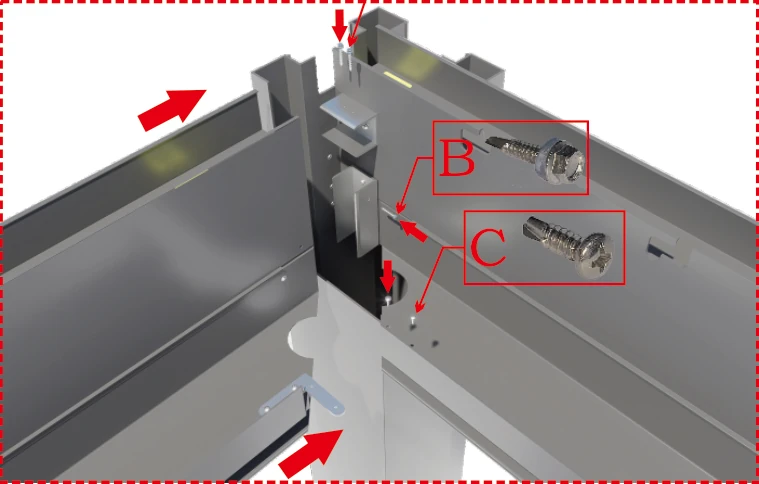
Suppose the household can prepare the patio but not the installation
Imagine a household able to clear furniture, assist with delivery and prepare the agreed storage area, but without experience in structural connections or electrical equipment. Those useful preparatory tasks can be separated from work requiring appropriate professional judgement. Agree the division with the installer before drilling, lifting paving or altering wiring, which could change the assumed conditions. If the supplier requires particular personnel for specific work, check the order and warranty terms. A partially self-managed project can be practical when its boundaries match the real tasks and are understood by everyone involved.
Agree the handover before committing
The agreed plan should identify who checks deliveries, resolves shortages, records installation changes and demonstrates normal use. Define the handover documents, including relevant instructions, final configuration, check records and service contacts. A distant completion photograph is not the entire handover. Keep unresolved conditions visible before work starts rather than arguing after materials are unpacked. Send the same task breakdown to competing installers so their offers can be compared on equivalent scope. Choose DIY, hired work or a combination only after responsibility gaps have a practical owner and resolution.
- Allocate owner and installer tasks explicitly.
- Include tools, specialist work and handover costs.
- Request quotes against the same scope list.
Does a DIY-labelled kit mean I can perform every task myself?
Check the actual instructions, site conditions, structural connections, electrical work and local requirements. A DIY label does not settle every responsibility. Clarify specialist tasks and final checks before starting, and request missing documentation rather than borrowing another product’s procedure.
More questions, practical answers →