Installation & care
Pergola coating repairs: record the finish before choosing a touch-up
Document damage, coating identity and viewing conditions before approving a pergola finish repair or replacement component.
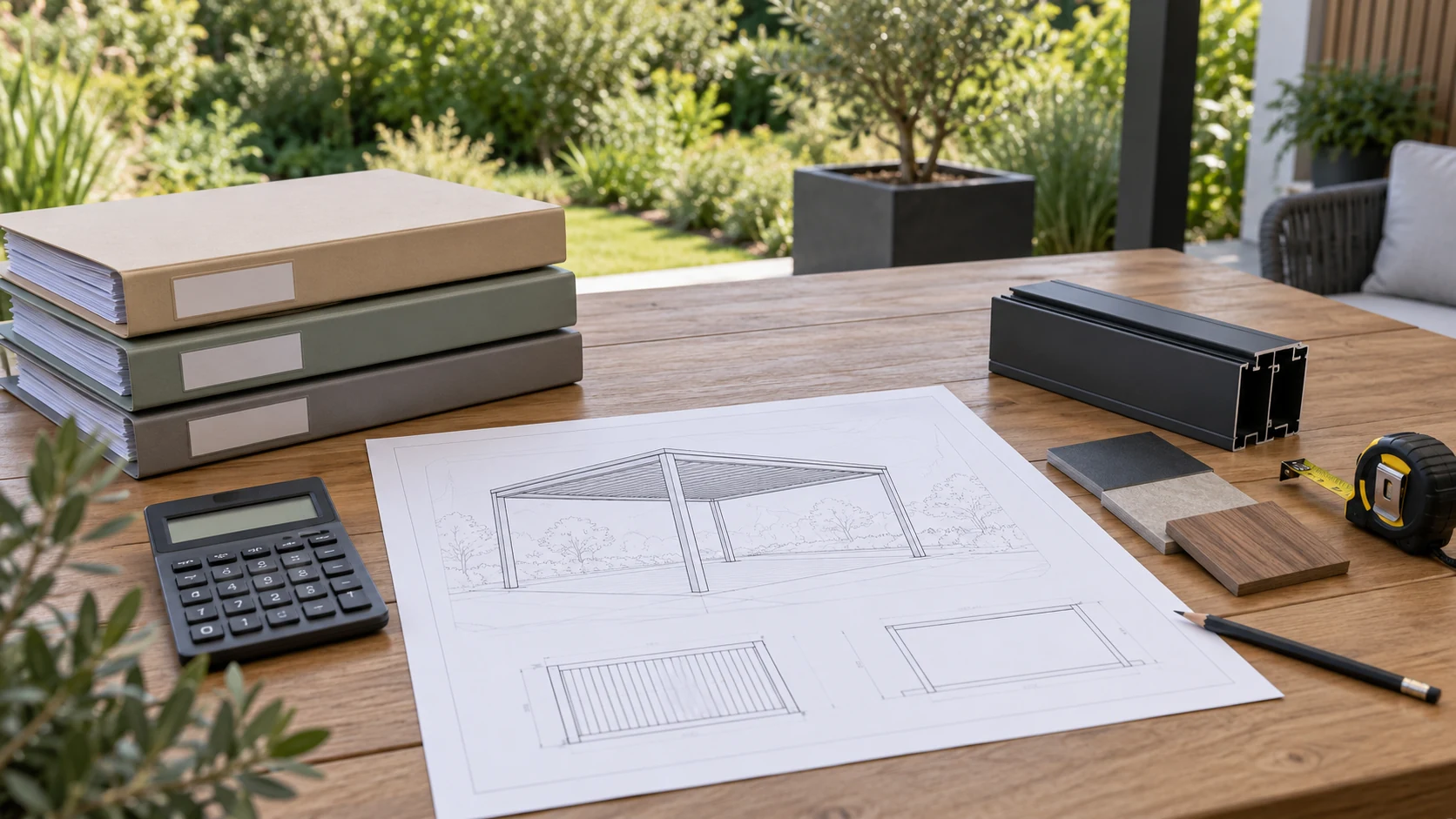
Identify the finish more precisely than its colour name
A finish description can include colour, gloss, texture and the coating system. Two components with the same nominal colour may not look identical when those other features differ. Collect the order finish schedule, approved sample reference and any coating or batch information supplied for the project. Do not infer a certification or durability class merely from a colour code. Coating-industry specifications distinguish processes and approvals from appearance selections; the relevant evidence must still match the actual supplied component. A clear record makes later repair discussions more precise than asking for a small pot of approximately matching paint.
Preserve the condition before attempting repair
Photograph the affected part, its identification and the surrounding undamaged finish before cleaning or touching it up beyond the supplied care instructions. Include an overall view and closer images under consistent light. Record whether the issue was seen on delivery, after installation or later in service. The service team needs to distinguish the location and extent of the condition before agreeing a remedy. A small surface mark and a deeper damaged area may require different assessment. Do not hide evidence with an unapproved treatment, especially while delivery or warranty responsibility is still being reviewed.
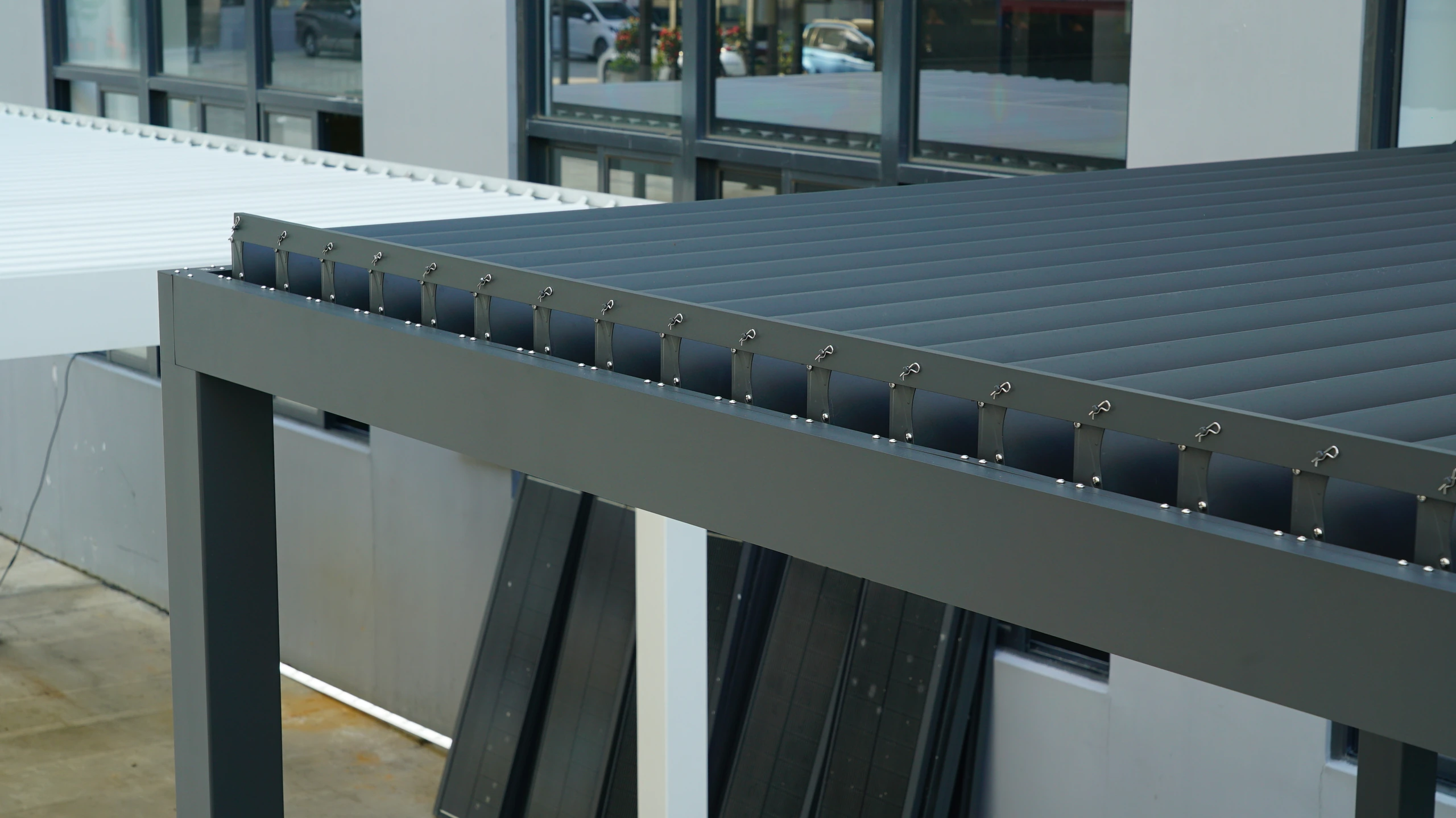
Compare repair and replacement honestly
Imagine a replacement beam arriving for a pergola that has already been outdoors for some time. Even with a matching nominal colour, the owner should review gloss, texture and the existing finish under comparable viewing conditions. Ask whether the proposed repair is intended to restore appearance, protect a damaged area or achieve another documented outcome. Those objectives should not be conflated. This hypothetical example does not predict a colour difference or promise an invisible repair. It shows why sample acceptance and a written scope are more useful than an assurance that every touch-up will disappear.
Record the accepted outcome and future care
Use only the method and materials accepted for the particular coating and damage. Record who approved the work, what was applied and what appearance was accepted. Keep any revised care or warranty information supplied with the repair. For a TTH enquiry, request an identifiable finish sample and a clear approval record before ordering, particularly when several batches or later phases are planned. That preparation cannot promise a perfect future match, but it gives all parties a shared reference for evaluating one. Keep the original photographs after the repair instead of replacing them with the new images. The earlier record helps distinguish the original damage, the accepted treatment area and any change that appears later, which can otherwise become difficult to separate in a future service discussion.
- Retain finish, sample and available batch identities for the affected component.
- Photograph the original condition under consistent light before treatment.
- Agree the repair method, intended outcome and acceptance record in writing.
Will touch-up paint with the same colour code be an invisible repair?
No such guarantee follows from a colour code. Gloss, texture, coating system, existing exposure and the repair method can affect appearance. Preserve the original evidence, identify the actual finish and obtain an approved repair scope with agreed viewing conditions and acceptance criteria before proceeding.
More questions, practical answers →