Product insights
What real pergola detail photographs can tell a buyer
TTH Pergola aluminum pergola guide: use close-up photographs to ask better questions without treating them as a substitute for specifications.
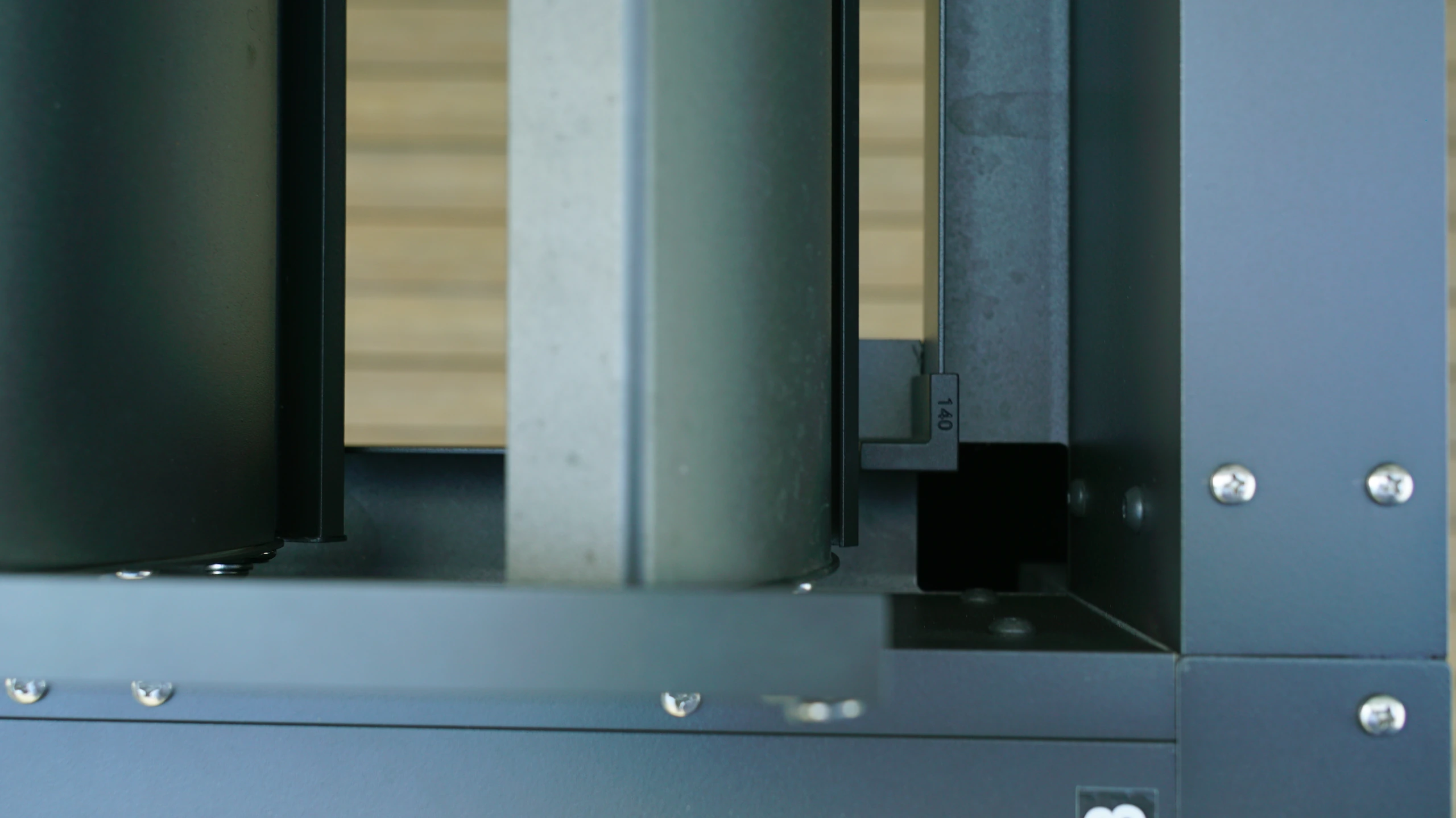
Read a detail photograph like a small map of the product
A useful detail photograph has a clear subject and enough context to show where that subject belongs. A close-up of a fastener may be sharp but difficult to interpret if the surrounding parts are invisible. Start with the complete product, move to the relevant corner or roof area, and only then inspect the close-up. This sequence connects appearance with construction without asking a photograph to prove properties it cannot measure.
The TTH galleries on tthpergola.com group the actual images by family and name visible components such as base anchoring, louver linkage and beam-to-post connections. When comparing images, keep the model family and operating state in mind. An open roof exposes parts that are hidden when it is closed; an uncovered base shows a different view from a finished cover. These are not automatically inconsistencies. They may be different stages or positions of the same type of assembly. If a particular joint matters to your project, ask for the matching view and its relationship to the proposed configuration. Good photographs help you formulate a precise question; they do not replace dimensions, material information or a project drawing.
Look for identifiable components
A useful detail photograph shows a component clearly enough to understand where it belongs in the product. Look for context as well as a close view: a corner connection is easier to interpret when another image shows its position on the frame. Ask which family and model the photograph represents. Similar-looking aluminium parts may belong to different configurations, so a general gallery should not be treated as proof that every detail applies to your order.
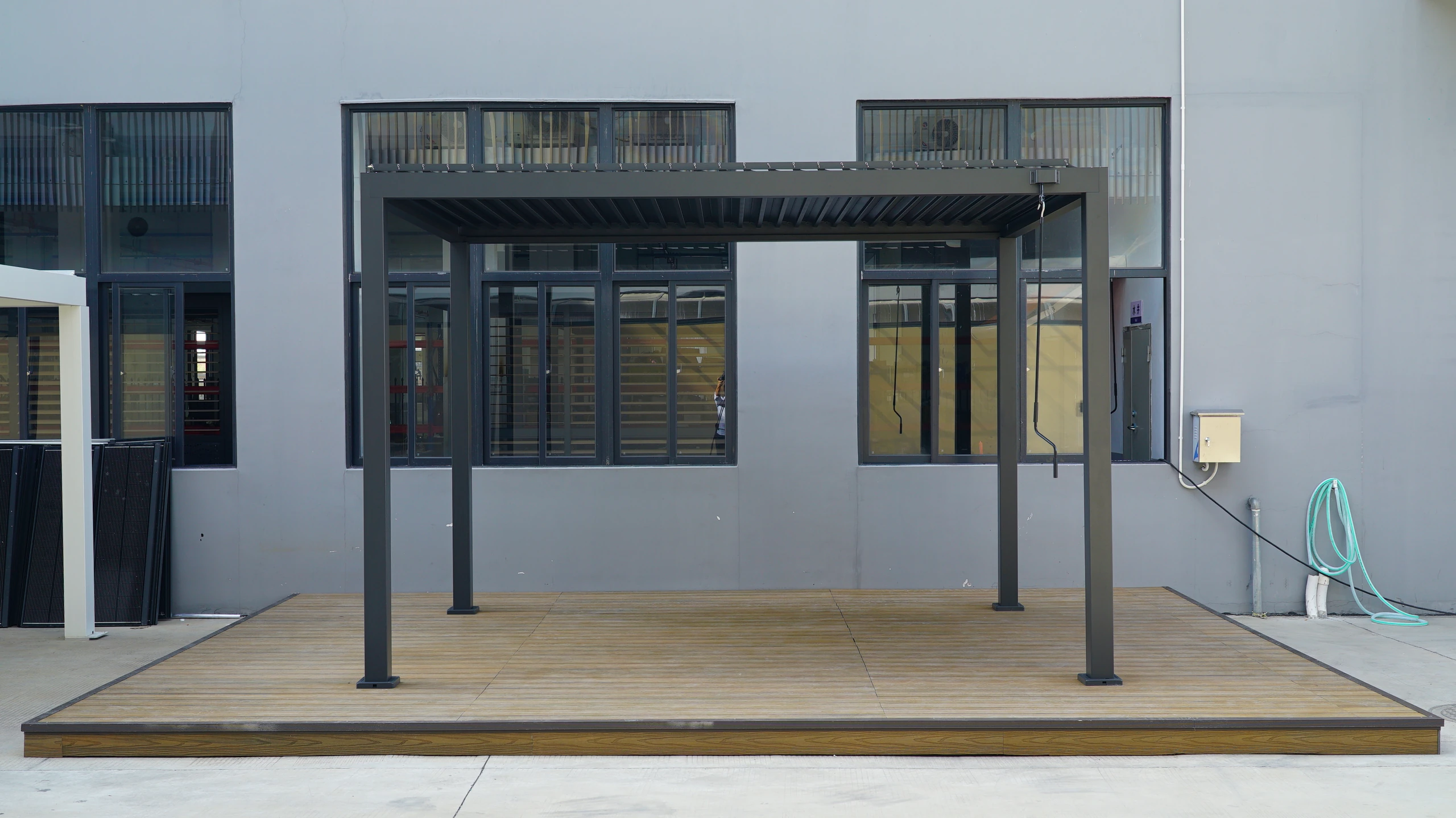
Use images to guide questions
Examine visible joints, finish transitions, drainage features and accessory interfaces, then compare them with the written specification. If something is unclear, ask for another angle or a labelled explanation rather than guessing. Lighting and camera angle can hide or exaggerate surface marks. A photograph can reveal an area that needs clarification, but it cannot measure wall thickness accurately or establish the quality of a concealed fixing.
Combine photos, video and drawings
Use photographs for visible details, video for demonstrated movement and drawings for dimensions and assembly relationships. Each format answers a different question. Ask the supplier to distinguish a product sample from a project-specific arrangement and to identify any configuration differences. Keep relevant images alongside the confirmed model rather than collecting an unstructured folder of attractive pictures. This produces a clearer purchasing record and makes later support requests easier to explain. Where a detail matters to the purchase, ask for its relationship to the selected configuration in writing so an illustrative gallery image does not become an unintended specification.
- Request a wide view and close-up of the same detail.
- Check that images match the selected product family.
- Use written dimensions for measurements and videos for operation.
Can a close-up prove the load capacity of a pergola?
No. A photograph can show a visible arrangement and workmanship features, but capacity needs the appropriate design or test evidence for the specified system. Use the image to identify the component involved in your question.