Planning and care
Unusual pergola noise: what to record before asking for support
TTH Pergola aluminum pergola guide: prepare useful observations without attempting an unapproved repair.
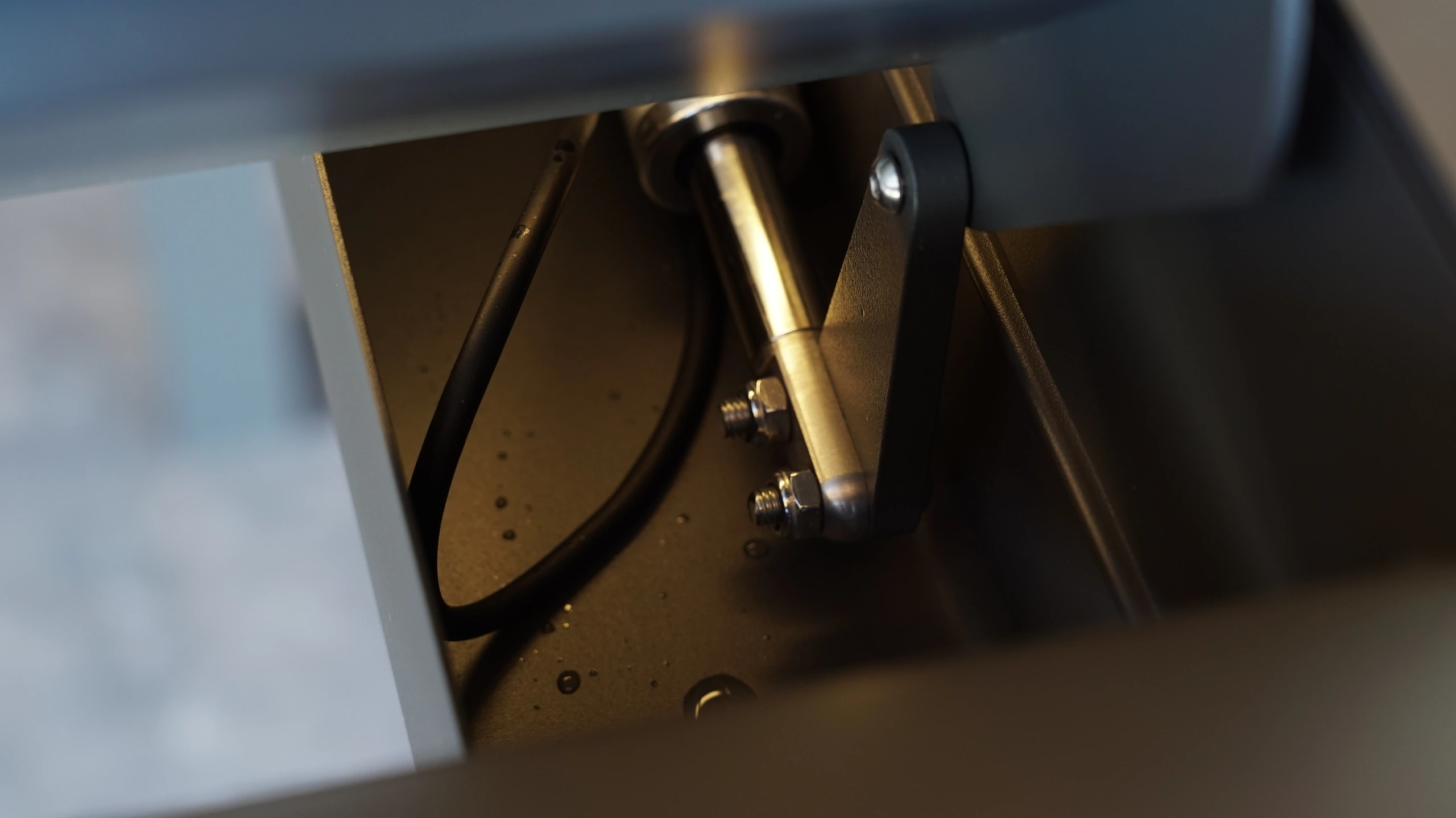
Describe the pattern before trying to name the fault
A sound is easier to investigate when its timing and location are known. Does it happen when movement begins, at a particular position or only under certain conditions? Is it near a guide, a blade connection or a part of the frame? These observations help distinguish a repeatable pattern from an isolated noise without requiring the owner to diagnose the mechanism.
For a TTH Pergola support enquiry, provide the product reference and a short video that includes the relevant operating sequence and surrounding context, when it is appropriate to operate the system. Component names on tthpergola.com can help identify the area being discussed. Avoid covering the sound with music or cutting out the start of the movement. Also note whether anything changed recently, such as debris, an obstruction or a maintenance activity. The goal is to supply clear information, not to keep repeating a problematic action. If the system resists movement or the instructions advise stopping, follow that guidance and describe the stopped condition instead. Better observations can make the next support conversation much more focused.
Describe the change from normal
If a pergola begins making an unfamiliar sound, record when it occurs and which movement or component is involved. A short video from a safe position can be more useful than describing every noise as a fault. Note whether the sound appears at the start, during movement or near the stopping point. Include the exact model and installed accessories so support can understand the configuration rather than guessing from a general product family.
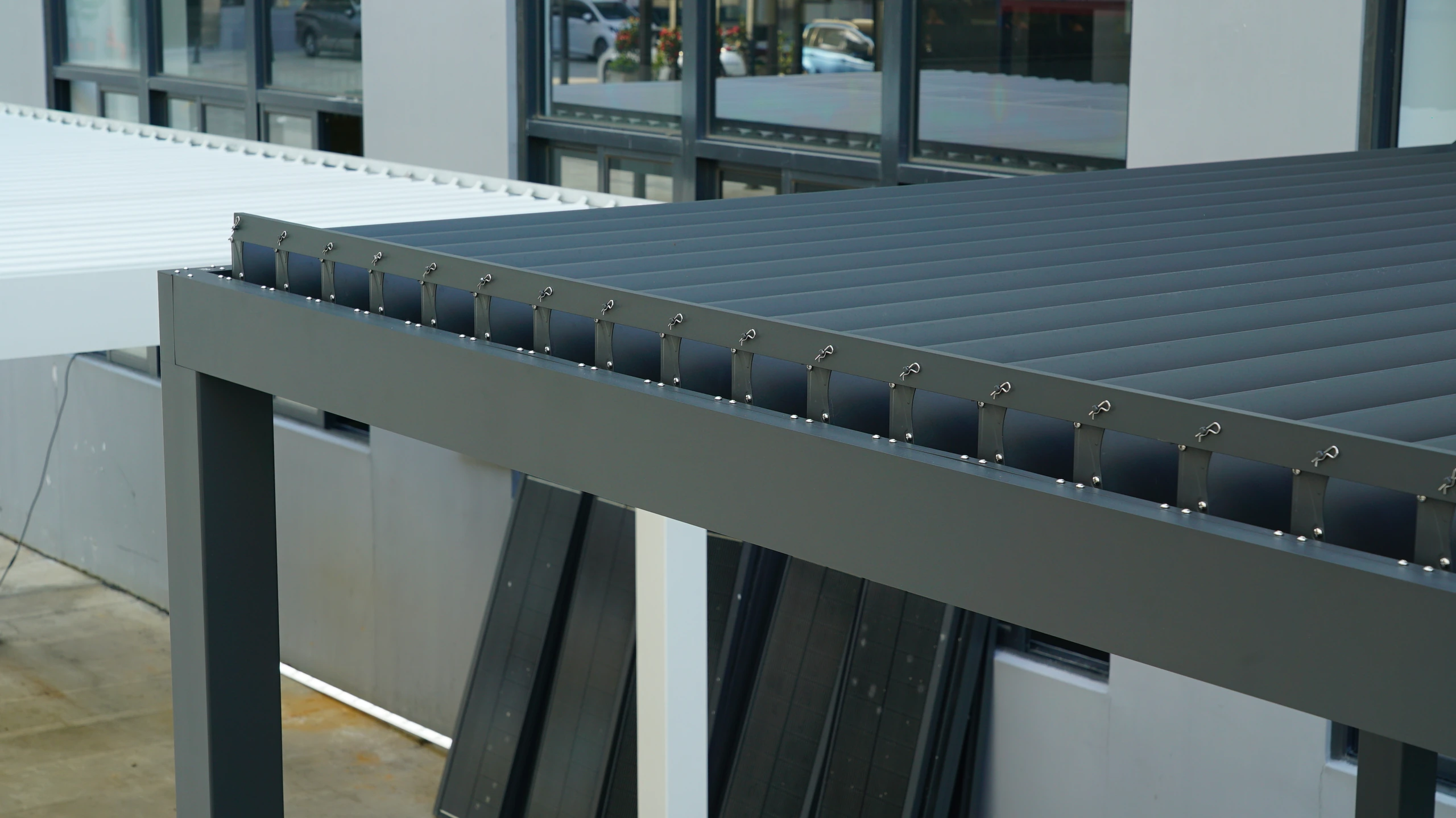
Do not make trial adjustments
Follow the supplied operating guidance if the movement changes or seems obstructed. Avoid repeatedly cycling the system to reproduce a problem, and do not loosen connections or alter controls without the correct instructions. Visible debris, a nearby object or a changed accessory position may be relevant observations, but they are not a reason to reach into a mechanism. The next step should be determined from the product guidance or by the responsible support team.
Send a compact support record
Provide the order or model reference, a description of the change, the relevant conditions and a clear video if available. Mention recent maintenance, site work or configuration changes without assuming they caused the issue. Ask which checks are permitted for the owner and which need an installer. Keep the response with the product records so any agreed action is traceable and future users do not repeat unsupported adjustments. Keep the recording focused on the affected component and avoid filming from a position that requires reaching into the movement area or standing on an unstable surface.
- Record the model and affected movement.
- Describe when the sound occurs.
- Use the supplied guidance before attempting any intervention.
Is adding lubricant the first step for every noise?
No. Different components require different care, and an unsuitable product may create another problem. Identify the affected area and consult the maintenance guidance before applying anything or making adjustments.