Retractable awning choices
Ripples in new awning fabric: preserve evidence before deciding it is defective
Record position, operating state and changes, then use the actual fabric and product guidance to assess manufacturing characteristics and possible abnormalities without prejudging warranty coverage.
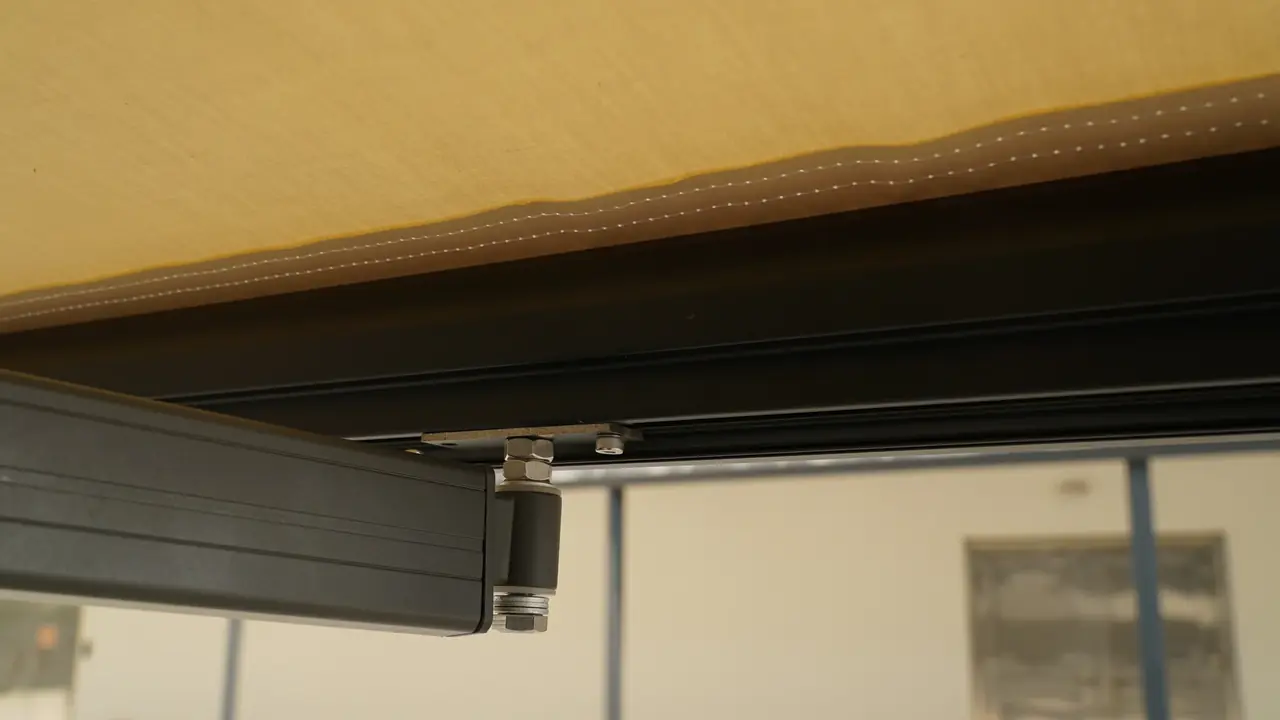
Describe the appearance before labeling it
Ripples in newly deployed fabric deserve a record, but one photograph may not establish whether they are a manufacturing characteristic or an issue needing attention. Supplier guidance may describe seams, creasing or other textile appearances, and it must match the actual material. Identify fabric and equipment and ask for the applicable assessment basis. Neither an internet claim that everything is normal nor an immediate defect label resolves the question. Neutral description keeps the discussion focused on location, extent and change while evidence is still being gathered.
Make photographs comparable
Photograph the overall permitted deployment, the affected location and useful detail, noting date, conditions and recent cleaning or wet stowage. Later images should use similar viewpoints and operating states so they are comparable. Do not pull fabric, add weights or adjust mechanisms to obtain a flatter photograph; those actions change the condition under assessment. Follow the instructions for pausing use and contacting support if tearing or abnormal movement occurs. Photography should support evaluation without requiring unsafe access or pretending that the owner has conducted a professional inspection.
Ask the supplier to explain the applicable criteria
If ripples follow a seam, ask how the exact fabric and finished-product guidance applies. A marked change over time may require a different review, including site inspection. Request specific answers: which material the document covers, why it fits the observed condition and what additional information is needed. Another model’s photograph or a general statement about textiles should not be the sole explanation. Warranty and remedy scope depend on actual terms and assessment, not a predetermined promise of free replacement or automatic rejection in this guide.
Record the conclusion and any follow-up conditions
Keep the provider’s reasoning, inspection findings and agreed action, including any change still to observe. If service is needed, assign completion and review. If the appearance is accepted on documented grounds, retain the original photographs for later comparison. Record new conditions after cleaning, replacement or repair instead of extending an old conclusion automatically. Reviewing samples and textile guidance before purchase also helps establish expectations. A clear process neither dismisses abnormalities nor labels every fabric characteristic defective; it connects the decision to the actual product and comparable evidence.
- Record overall and detailed views, dates and equipment states.
- Do not alter evidence by pulling, weighting or adjusting mechanisms.
- Request applicable criteria and retain the action and review outcome.
Do ripples in new awning fabric automatically establish a defect?
Not from that description or one image alone. Record location, state and change, match the fabric guidance and request the provider’s assessment basis. Avoid improvised tensioning or adjustment, and follow stop-and-service instructions for tearing or abnormal movement. Defect and remedy decisions require applicable evidence, assessment and actual terms.
More questions, practical answers →