Retractable awning choices
Replace the awning fabric or the whole unit? Assess what stays first
Assess the retained frame, mechanism and service conditions before comparing recovering with replacement on an equivalent delivery scope.
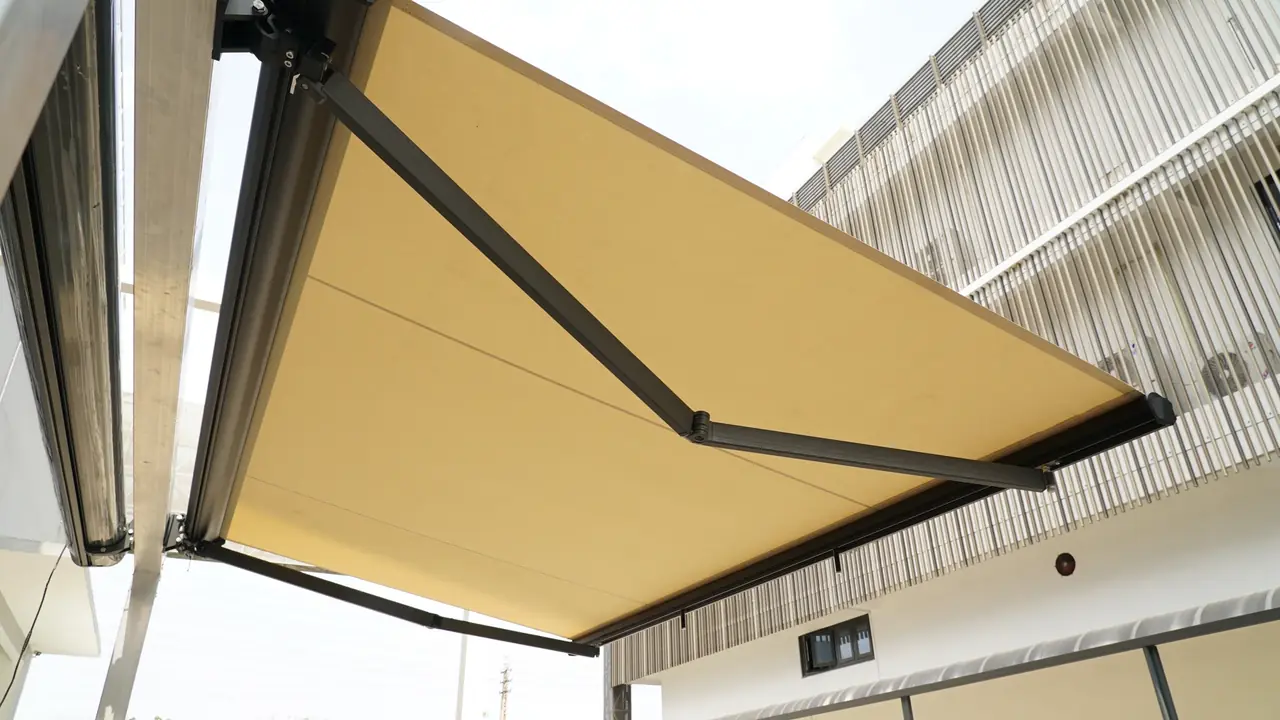
Begin with the components you intend to keep
Recovering an old awning may be an option, but begin with what remains rather than the new fabric price. Have an appropriate provider assess the retained frame, mechanisms, drive and mounting conditions, stating completed checks and unknowns. Working movement alone does not establish suitability of every retained component, while aged appearance does not automatically require full replacement. Provide identifiers, repair history and current symptoms so the assessment has a defined scope. This avoids treating a visual refresh as though the entire installation has been newly verified.
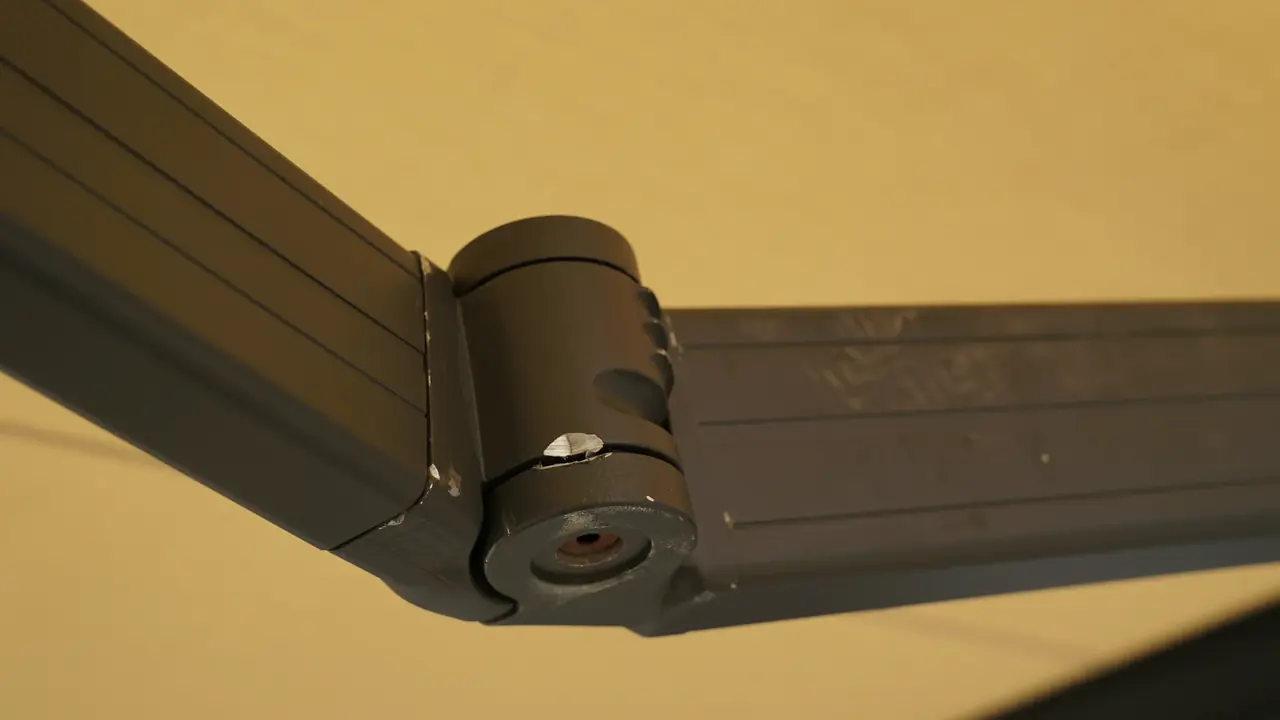
Compare quotations with equivalent boundaries
A recovering quote should identify fabric, measurement, removal and fitting, transport, disposal and any mechanism service. A full replacement proposal should address removal, wall interfaces, power and reinstatement. Items may differ, but make those differences explicit; supply-only fabric is not comparable with a complete renewal project. Mark work dependent on assessment and define quotation updates. Clarify who services the result and which instructions cover retained equipment and new material. Total scope comes from actual tasks and responsibilities, not an assumed universal percentage of replacement cost.
Include changes in how the patio is used
A patio once used occasionally by two people may now support daily dining and different control needs. Recovering alone may not address the changed coverage or routine. List what still works and what should change, asking which modifications the system permits. Do not enlarge fabric, add weights or alter drives without confirmed suitability to force an old unit into a new configuration. Recovering deserves comparison where needs remain stable and retained parts are appropriately assessed. Several important constraints may justify reviewing full replacement; neither option is universally correct for every aging installation.
Keep the basis of the final decision
Retain findings, the exact retained and replaced components, fabric reference and updated care instructions, identifying outstanding issues. Check the agreed scope at handover without describing a recovered unit as entirely new or automatically attributing earlier problems to new fabric. Later support can then identify the relevant component and service event. Compare appearance, operation, attendance and complete work scope without inventing lifespan or payback figures. The useful decision makes clear what the expenditure resolves and which original conditions remain part of the installation.
- Assess retained equipment and mounting conditions first.
- Compare complete work scope rather than fabric supply with full installation.
- Record retained, replaced and outstanding items with updated instructions.
If an old awning still moves, is recovering definitely the better value?
Movement alone is insufficient. Assess retained components and mounting, then compare recovering, necessary servicing and full renewal on complete scope. Include current coverage and control needs. Use actual quotations rather than fixed savings ratios, and document which parts were replaced and which remain original.
More questions, practical answers →