Installation & care
Mixed metals on an aluminum pergola: review the wet interface
Review brackets, fasteners, drainage and approved isolation details when accessories introduce other metals into an aluminum pergola assembly.
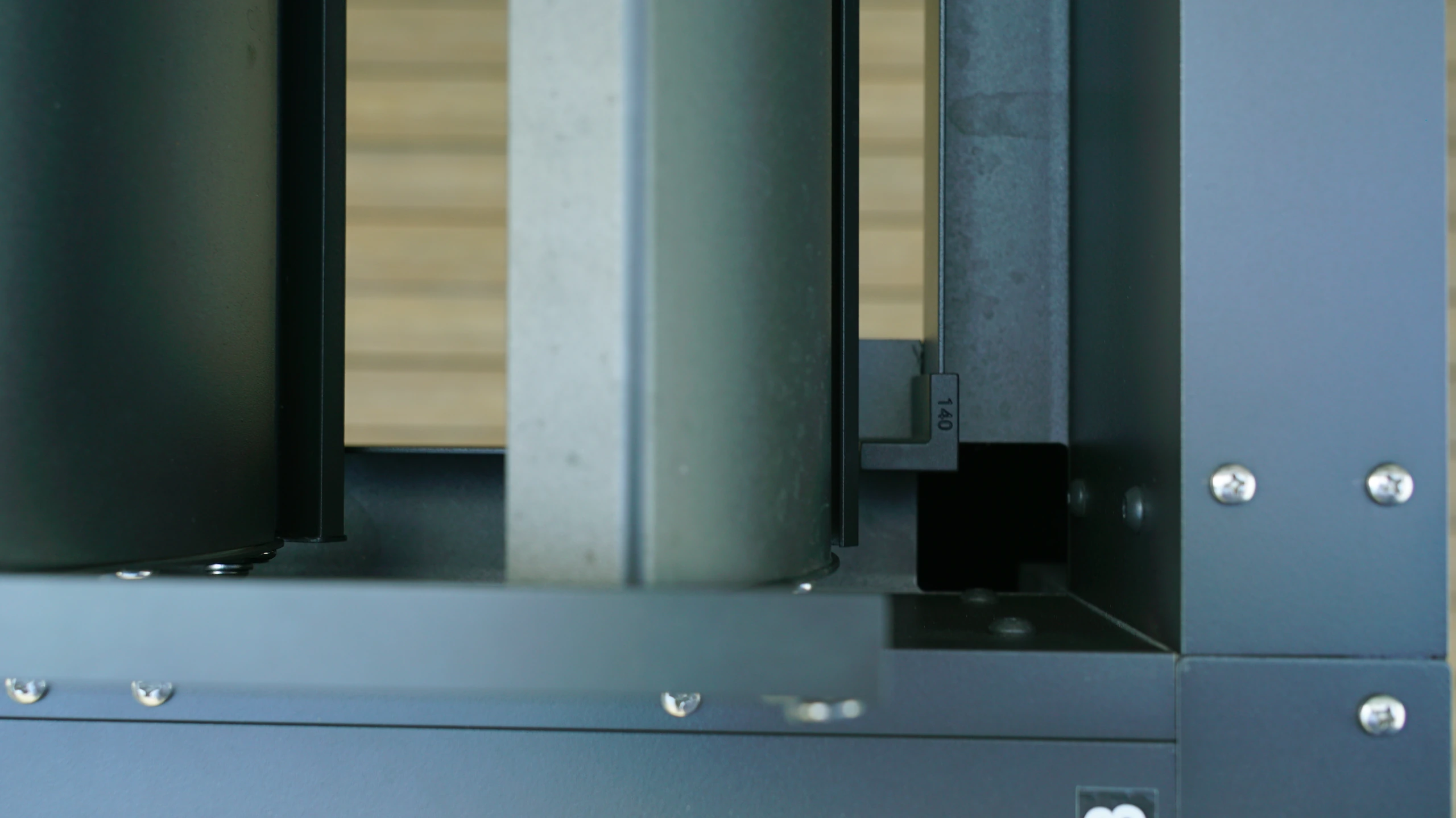
Understand why the joint deserves attention
An aluminum frame can meet different metals at brackets, fasteners and added accessories. Where dissimilar metals are electrically connected in a suitable wet environment, galvanic corrosion can be a consideration. The actual behaviour depends on the combination and conditions; a general metal name does not establish service life. Ask the supplier or responsible designer to identify the intended materials at each connection. A statement that the frame is aluminum does not describe the entire assembly, and a stainless-looking screw is not proof that an unreviewed substitute is compatible with every surrounding detail.
Review moisture and isolation together
Material selection, approved separation details and water management work together. A joint that traps moisture or collects debris may need different attention from an exposed connection that can dry and be inspected. Do not add a random plastic washer or coating and assume the design is improved: it may change the connection's fit or mechanical behaviour. Ask which isolation materials, finishes and assembly details are approved for the specific interface. Compare alternatives as complete details, including drainage and maintenance access, rather than treating corrosion protection as a final cosmetic step after the fixing has already been selected.
An accessory bracket example
Imagine an owner buying a metal bracket for a small accessory because its holes align with an accessible part of the pergola. The bracket's material, coating and moisture-trapping shape are not included in the original documents. A neat fit therefore leaves several unanswered questions. Send the bracket specification and intended location for review before attaching it. This hypothetical example does not say that mixed metals are always prohibited. It shows that compatibility and the approved connection need to be established for the actual assembly, rather than inferred from matching holes.
Observe changes without concealing them
During the specified maintenance routine, record unusual staining, coating changes or deterioration around connections from a safe accessible position. Note nearby water sources and when the change was first seen. Do not diagnose every mark as galvanic corrosion or cover it with an unapproved treatment before the service team has reviewed it. Useful records include the component identity, joint location and clear photographs. For a TTH enquiry, describe any planned third-party brackets or accessories so the proposed interfaces can be assessed before ordering. Include changes in cleaning materials or the surrounding use in the report. Those details help the reviewer distinguish possible causes, rather than receiving only a statement that the area beside a screw has changed colour. Preserve the original observations before any accepted treatment is carried out.
- Identify all materials at the proposed connection, not only the frame alloy.
- Confirm approved isolation, coating and water-management details together.
- Keep accessory substitutions and any observed deterioration traceable.
Does using stainless-steel screws automatically prevent corrosion at an aluminum joint?
No material label provides that guarantee. The complete metal combination, electrical contact, moisture exposure and approved joint detail matter. Use the specified fixing and isolation arrangement, and obtain review before substituting parts. Unusual marks should be documented for assessment rather than immediately hidden by paint or sealant.
More questions, practical answers →