Commercial projects
Planning future solar at a hotel pergola: define interfaces and reassessment
Treat future photovoltaics as a separately assessed system, coordinating structure, electrical work, weatherproofing and servicing without assuming louvers can be converted.
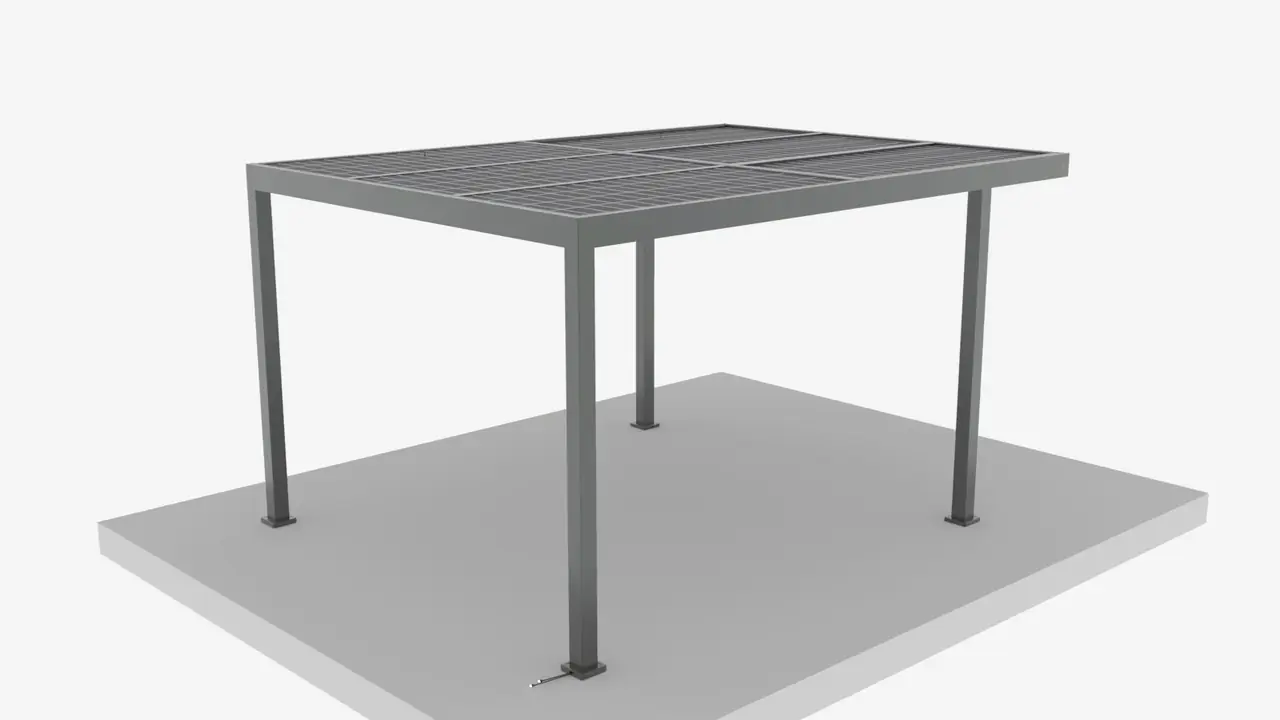
Define future PV as a separate project
When a hotel anticipates solar later, record it as a future project requiring separate design and review, not as a few panels sketched onto an existing louvered roof. US Department of Energy guidance explains that modules are only part of a complete PV system, which also needs support and other equipment. That general information proves no TTH louvered product suitable for conversion. Collect energy objectives, candidate locations and site records now, but reassess structure, electrical work, drainage and operation against a specific future PV proposal rather than a blanket compatibility promise.
Assign interface questions to the relevant disciplines
Early questions can address structural records, responsibility for surveying electrical services and possible equipment locations, cable coordination with maintenance and weatherproofing interfaces affected by a different roof arrangement. Appropriate people must confirm any provisions; do not drill the frame or install unreviewed supports. New systems can alter cleaning, servicing and working access, so operations should participate. This article supplies no load, generation or wiring recommendation. Design depends on the actual equipment, site conditions and project requirements.
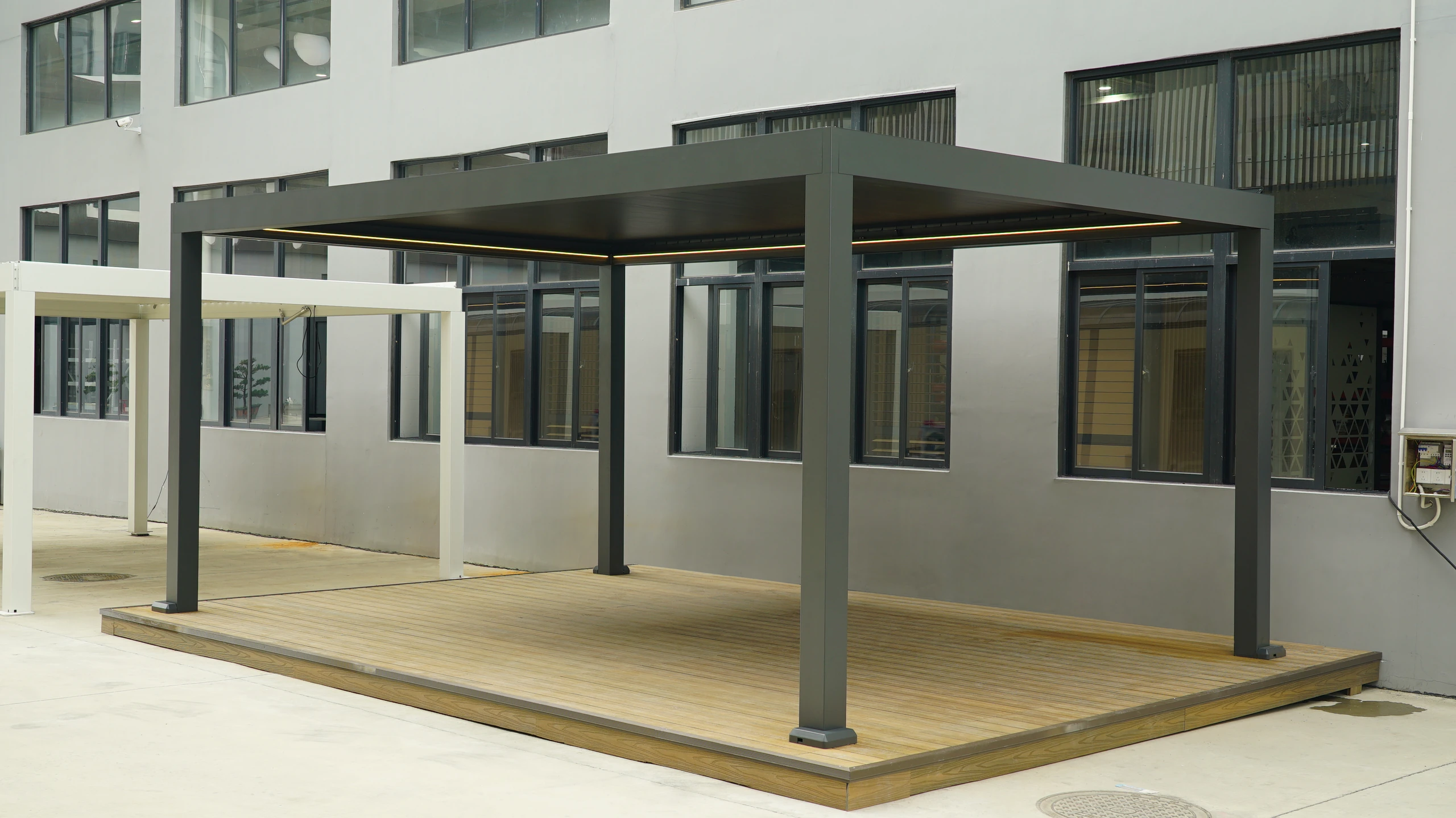
Test boundaries through a hypothetical phased retrofit
Imagine a hotel needing dining shade this year but considering PV only several years later. A sensible current deliverable may be retained pergola drawings, service records and named future reviewers rather than purchasing so-called solar-ready accessories. If the later proposal needs an independent structure or a replaced roof, reassess scope and operational effects instead of hiding them in the early quote. This hypothetical case defines decisions; it does not predict that solar will be feasible. The eventual project must assess shading, use, servicing and other site conditions in full.
Keep unconfirmed matters explicitly unresolved
Separate the installed pergola, confirmed interfaces and future PV idea in the records, labeling photographs and concept images accordingly. Do not promote an intention as existing generation, or infer energy benefits from aluminum construction. When design begins, provide the original records to structural, electrical and PV specialists and coordinate guest and worker access during construction. Describe capability only after the new system's relevant checks and handover, using actual records. This preserves long-term planning without burdening current procurement with an unsupported retrofit promise.
A one-page list of future questions can identify who supplies missing survey information. Include no uncalculated reserve capacity or return estimate, and do not label a concept location approved. That gives the later team an honest starting point instead of requiring it to correct early misunderstandings.
- Treat future PV as a separate redesign and confirmation project.
- Retain structural, services, maintenance and interface information.
- Assume no louver compatibility and install no unreviewed supports or penetrations.
Can solar panels simply be added later to an aluminum louvered pergola?
No such assumption is justified, and this article establishes no TTH louvered model as convertible. Treat PV as a separate design with new structural, electrical, roof-interface and servicing review. Keep records and objectives now; supports, modules and construction require specific confirmation rather than a solar-ready label.
More questions, practical answers →