Commercial projects
Writing a usable weather procedure for a hotel pergola
Turn model instructions into shift handovers, permissions, fault handling and reopening conditions rather than a single close-in-rain rule.
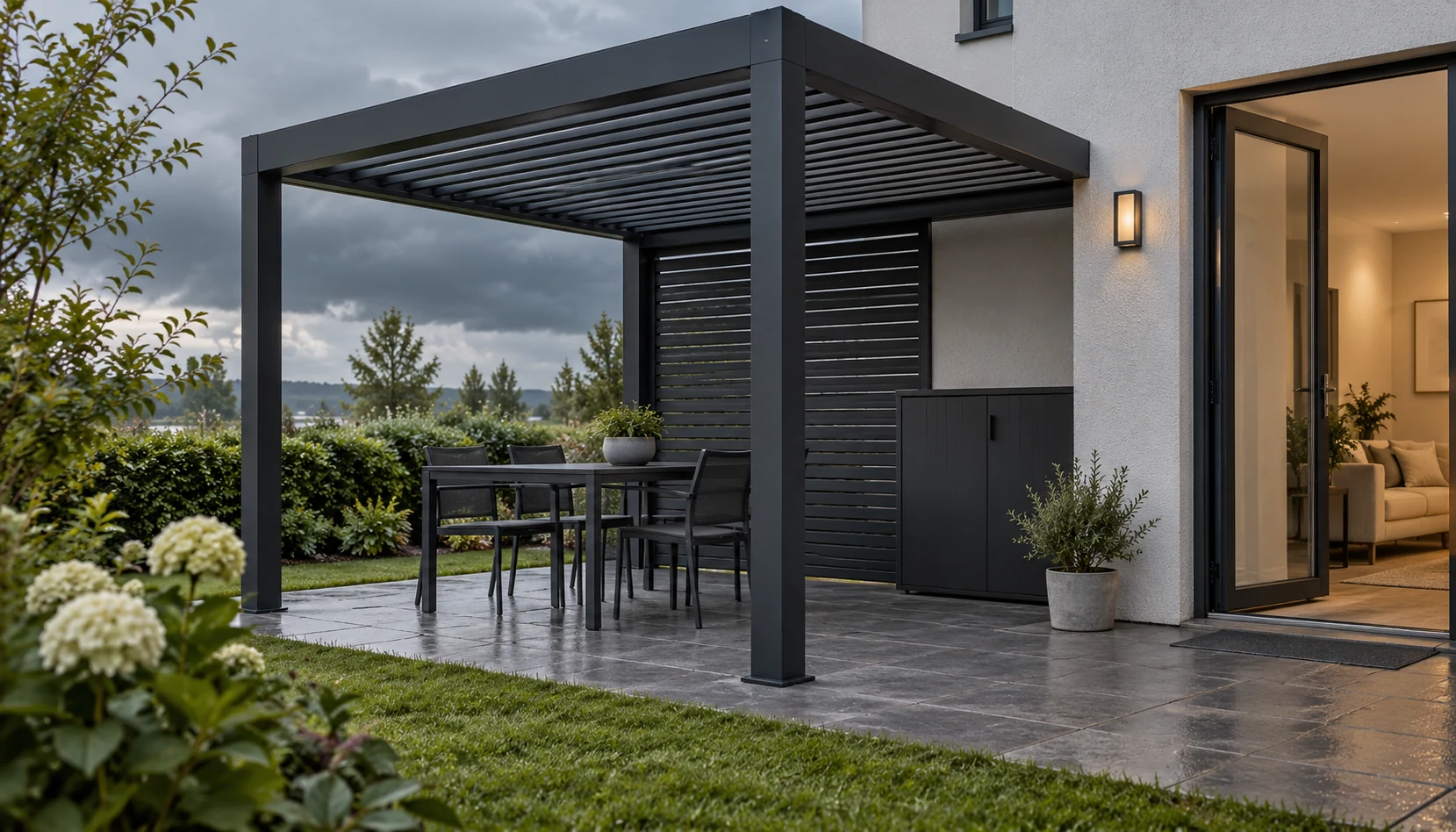
Obtain instructions for the actual installation
Weather icons alone are not operating instructions. Roofs, side enclosures and control systems may require different states, and sensors have specific settings and maintenance needs. Obtain version-matched instructions from those responsible for installation and equipment, covering permitted operation, taking equipment out of use and fault contacts. A third-party manual can illustrate the documents to request but its thresholds and logic must not be copied into this installation’s procedure. Establish the basis first, then translate it into staff actions.
Separate observation, operation and decisions
A staff member may observe weather and equipment without being authorised to change settings or decide on area closure. Separate observation, routine operation and engineering escalation rather than responding to every problem with repeated remote commands. Use photographs of the actual controls and their button names. Define when to stop attempts after no response, unusual noise or obstruction. Ordinary staff should not open electrical covers or force moving parts; send observations through the agreed support route.
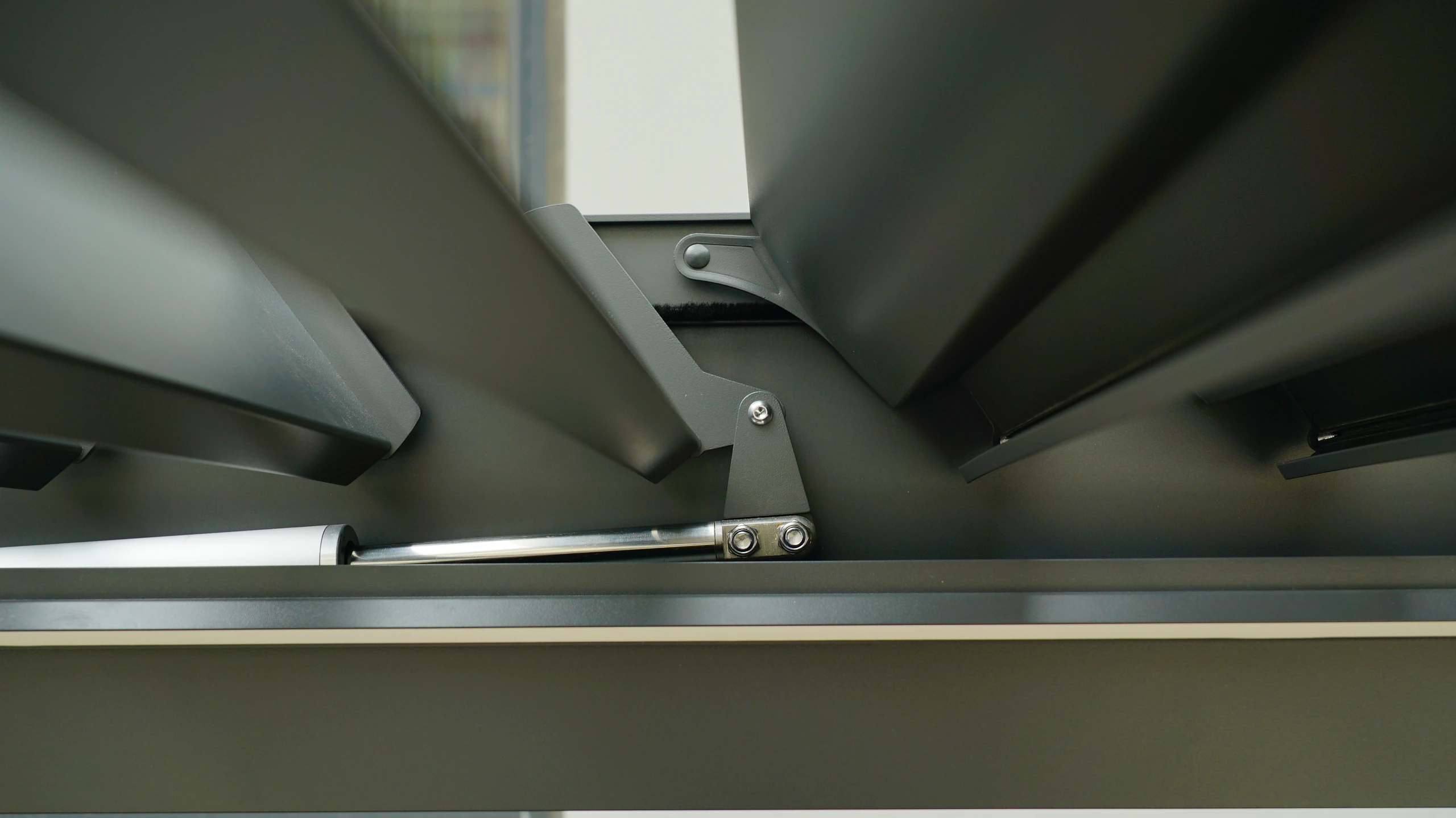
Include unattended and power-loss scenarios
If overnight staff are not trained on the equipment, the daytime handover must establish the required shutdown state, alert recipient and whether the area remains closed. Verify power-loss behaviour through product documents and a safe demonstration; not every motorised pergola has a hand crank or battery backup. The state after power restoration also matters to the next shift. A scenario table showing conditions, equipment state and responsible person is easier to audit than a general reminder to watch the weather.
Define reopening separately
Improved weather does not automatically justify guest access. Follow venue procedures to check the floor, drainage, furniture positions and visible equipment condition, escalating abnormalities. Reopening must not depend on staff climbing onto a roof in unsuitable conditions or skipping records to resume trading quickly. Treat suspension and reopening as separate decisions so the end of a sensor alert is not mistaken for resolution of standing water, debris or a fault.
Test the procedure across a shift change
Run a tabletop exercise at a normal shift change, asking the incoming team to identify its next actions from the document without relying on an expert to fill every gap verbally. Revise unclear terms, missing contacts and permission issues. Revalidate affected states after equipment upgrades, controller replacement or new enclosures instead of retaining an obsolete procedure.
- State the model, configuration and instruction revision.
- Distinguish observers, operators and closure or reopening decision-makers.
- Include power loss, unattended periods and fault escalation in handover drills.
Does a hotel pergola need a weather procedure if it has automatic sensors?
Yes. Define model-specific settings, permissions, unattended and power-loss conditions, and fault escalation. Sensor responses do not replace site checks or operating decisions. Before reopening, review ground, furniture and equipment conditions and follow the documented handover process.
More questions, practical answers →