Compact pergola living
A pergola at a holiday home: plan unattended periods
Plan departure settings, local checks and clear responsibilities for a pergola at a holiday home.
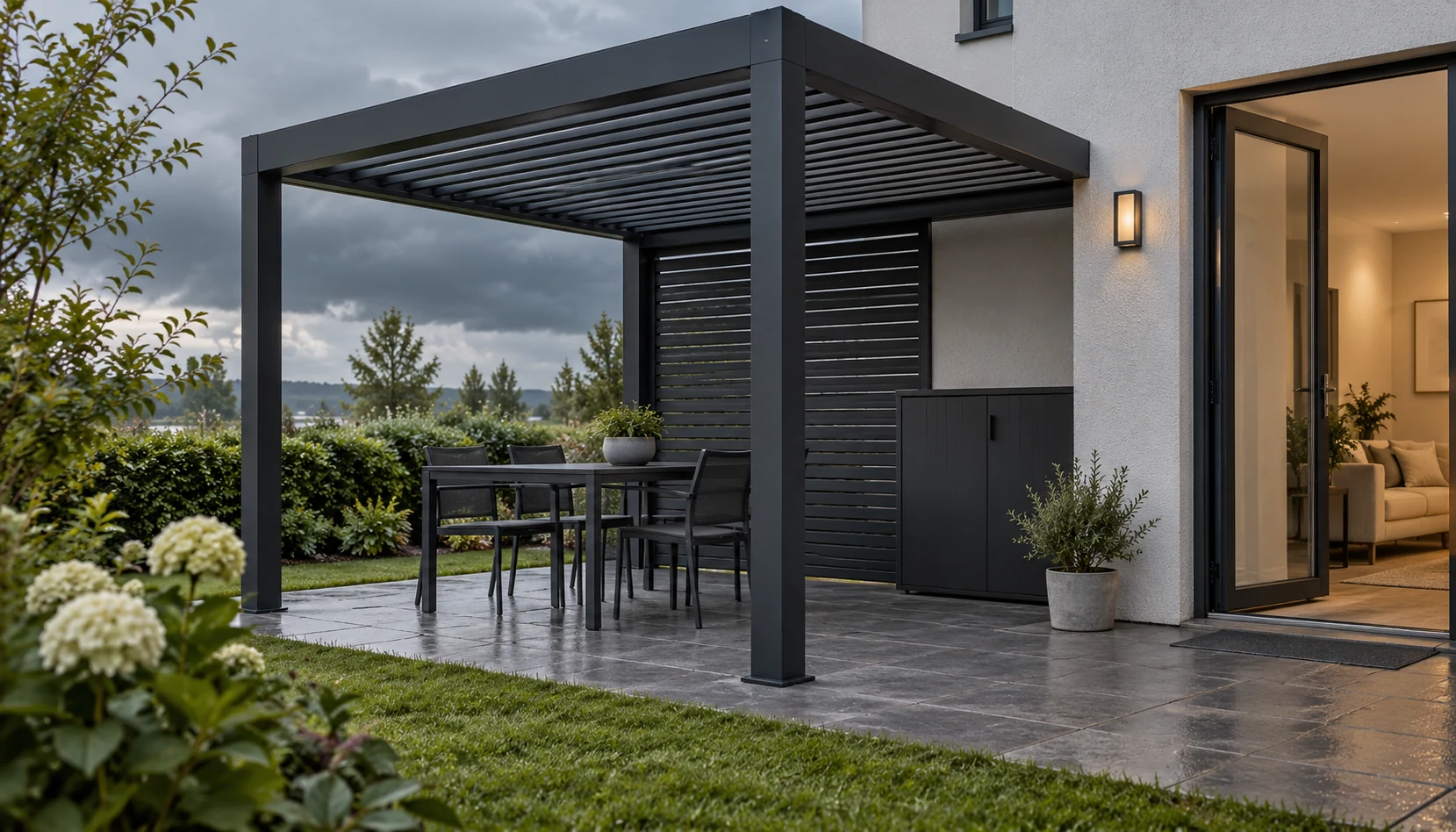
Define the unattended period realistically
A holiday-home pergola may be unused for several weeks or left without any visit for an entire season. Define departure and return dates, available local attendance and storage for movable furniture and equipment. Determine roof, screen and power settings from the actual installation instructions and supplier advice, not another brand’s app defaults. Manufacturer FAQs can suggest purchasing questions about remote features, but they do not establish the capabilities of your system. Separating confirmed functions from wishes produces a departure checklist that someone can actually carry out.
Write checks as observable actions
A request to “check the pergola occasionally” leaves too much undefined. Agree visible observations, useful photograph positions, contact order and practical access. Do not ask an unqualified visitor to climb the roof, open electrical components or force a stuck mechanism. Observation and repair are separate responsibilities. If the arrangement uses connectivity, specify how reporting works when the connection fails. An app without an alert is not proof of normal site conditions. Agree attendance based on the circumstances and the contact’s availability, acknowledging what may remain unnoticed between visits.
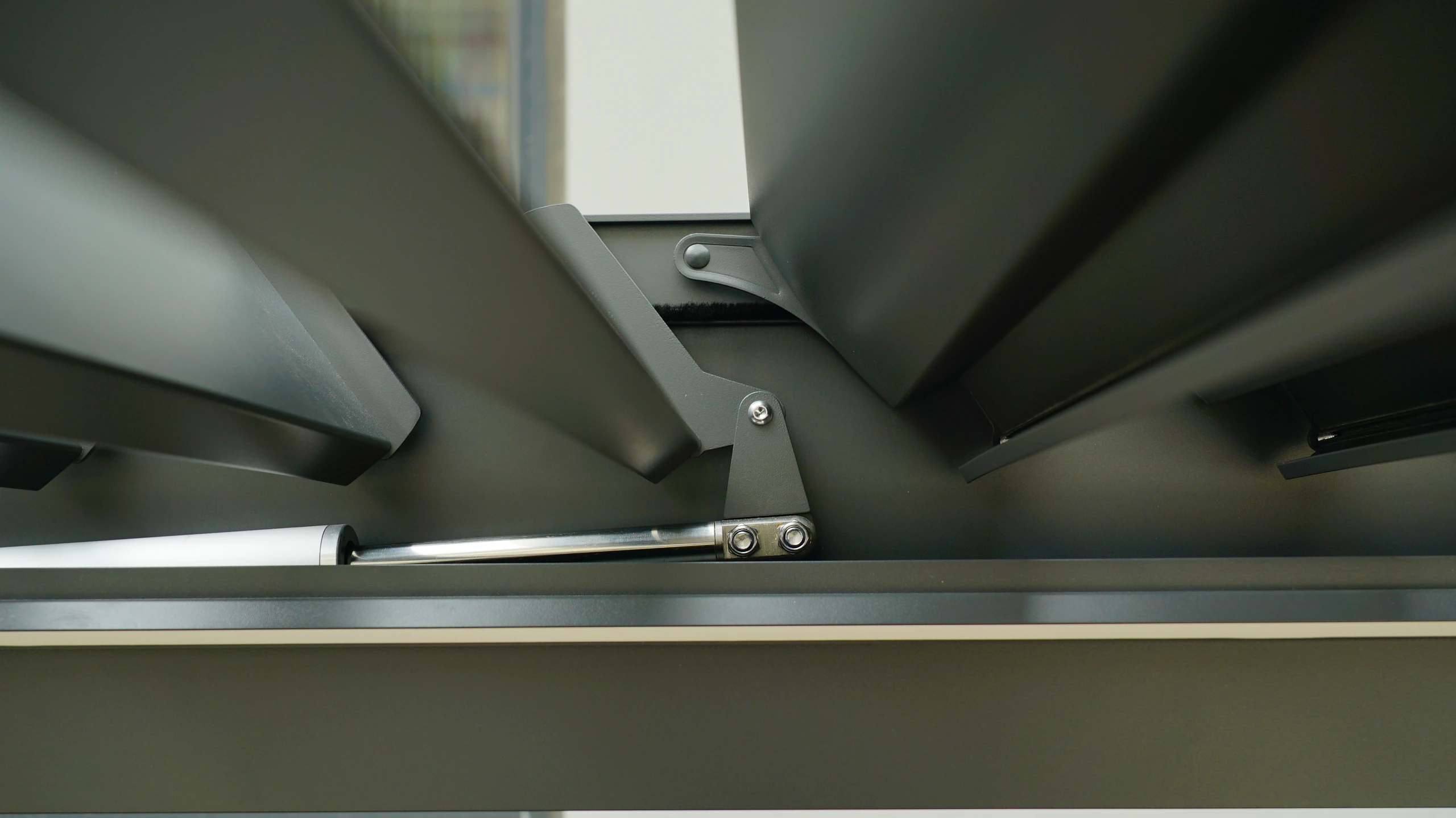
Suppose conditions change while the owner is away
Imagine an owner checking a forecast from elsewhere and attempting a remote adjustment without being able to confirm the current state. Follow the pre-agreed equipment and site procedure rather than repeatedly sending conflicting commands. A local contact should not travel into dangerous conditions merely to operate the pergola. If a problem is found afterwards, preserve photographs, timing and confirmed observations for suitable service personnel. Remote convenience needs state awareness and practical responsibility. This example does not promise forecasting, automatic protection or operation during every power or network interruption.
Check before returning to normal use
Photograph the documented departure state and record where remotes, portable lights and furniture are stored. Keep current contacts easy to find. On return, look for visible abnormalities from ground level before following the equipment instructions to resume use; unexplained damage or obstructions need appropriate assessment. Keep visitor instructions aligned with the current configuration and remove obsolete control methods. Review missed or unclear steps after each absence. A useful holiday-home routine is one that another family member can understand and complete without depending on unwritten knowledge.
- Confirm departure settings from the actual instructions.
- Agree practical observation and reporting visits.
- Keep escalation contacts and reopening steps.
Does app control remove the need for local attendance?
App functions depend on the equipment, power and connectivity and may not reveal every site condition. Check unattended-use requirements and agree suitable responsibility, including practical attendance where needed. A remote display is not a continuous physical inspection.
More questions, practical answers →