Compact pergola living
Buying a used pergola: identify the system and missing parts first
A used pergola's value depends on identifiable components, completeness and a credible reinstallation assessment. Neatly arranged dismantled parts are only a starting point.
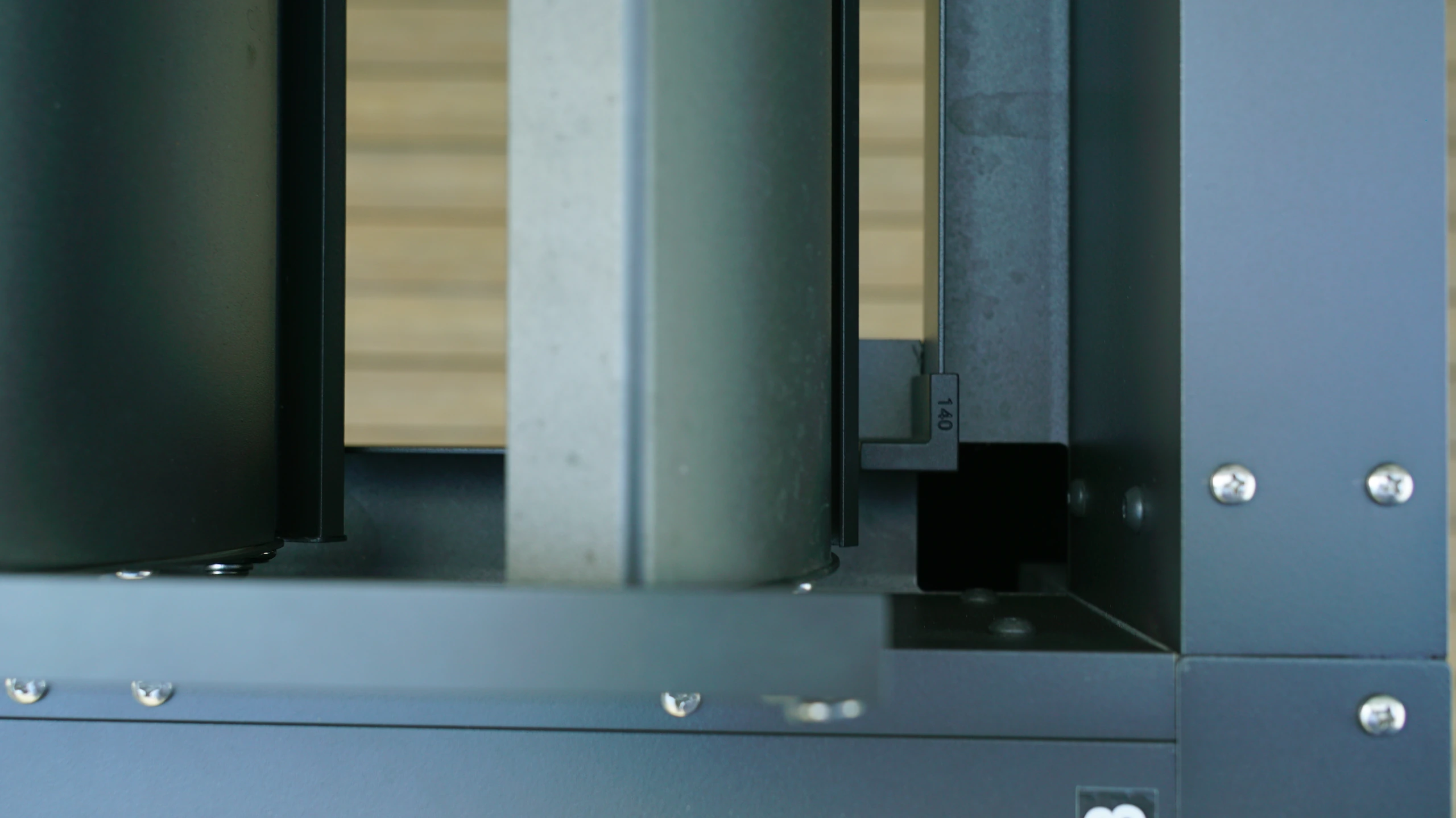
Establish that the system can be identified
The first step in buying a dismantled pergola is identifying its brand, model, original dimensions and key components, rather than negotiating the lowest price. Ask for photographs of the installed structure, manuals, labels and records of its condition before dismantling. Neatly arranged parts prove neither compatibility nor completeness. If surplus components from several projects are mixed together, label their origins. Unidentified controls, drives or connectors make replacement and service harder to arrange. Similar appearance is not evidence that accessories from a currently sold range will fit. Identification should precede confidence in future repairability.
Check an inventory and the dismantling history
Match parts to the original inventory, identifying originals, replacements and known omissions. Ask who dismantled the pergola, whether members were shortened or holes altered, and how transport protection was handled. A homeowner can record dents, scratches and packaging condition, but photographs cannot rule out hidden damage. Someone familiar with the system and willing to undertake the assessment should evaluate critical components. If the inventory is absent, ask the identifiable original supplier whether records remain available. Assuming missing pieces can be bought later is not a sound budget plan, particularly for a discontinued range.
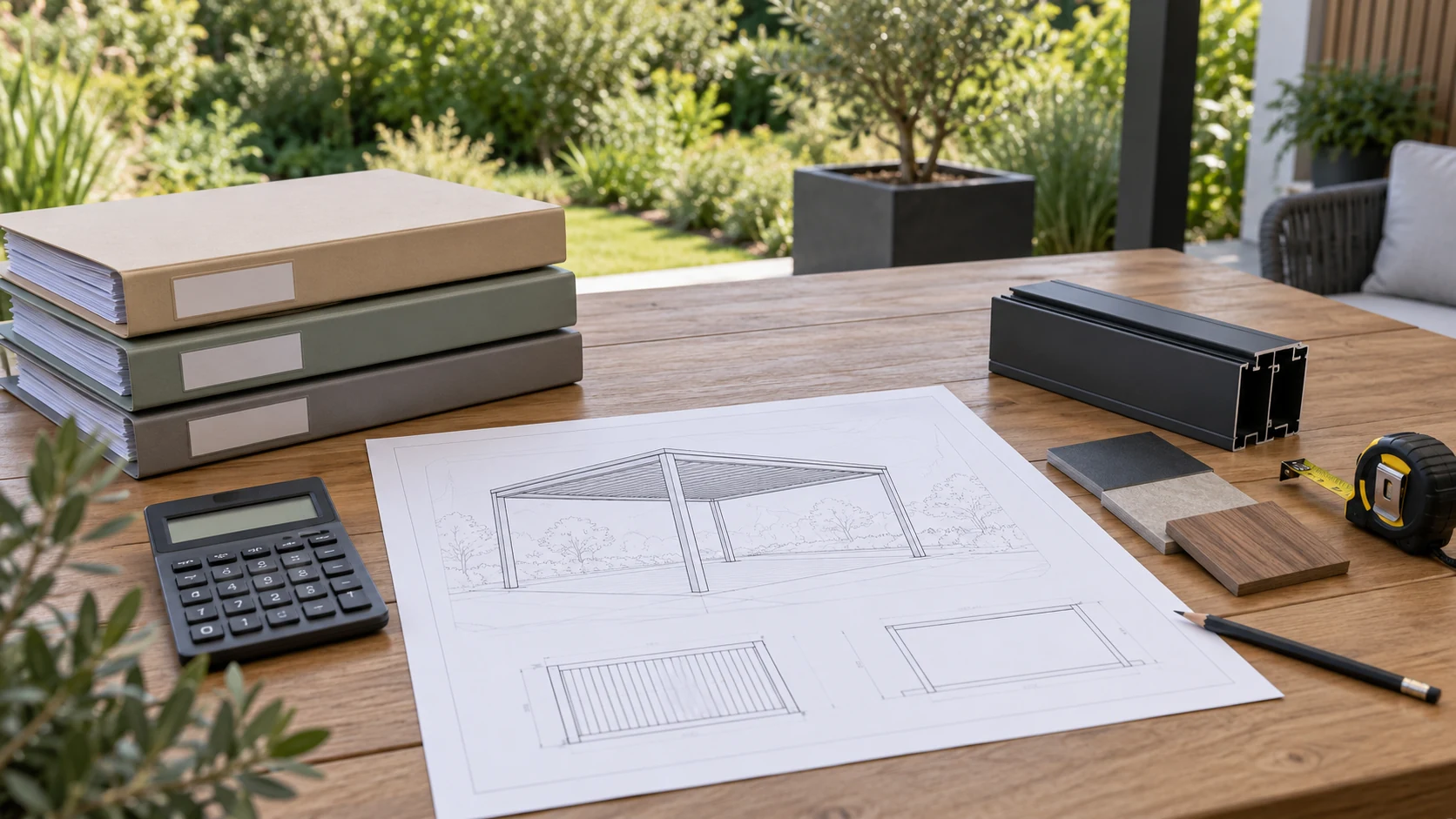
Put the bargain into the complete project
Imagine an attractively priced used pergola that previously occupied a differently sized terrace and arrives without its controller. List transport, inventory, assessment, replacement components, site preparation and reinstallation, then ask prospective providers which items they can actually quote. Several crucial entries marked to be decided later indicate uncertainty, not confirmed savings. This hypothetical situation does not mean used pergolas are always poor purchases. It means the relevant comparison is a complete, feasible project, including the costs and materials you would be left with if reinstatement proved impractical.
Identify the next responsible party before payment
Before purchasing, identify someone willing to review the records, assess your site and discuss reinstallation; do not assume every installer accepts used systems. Check the seller's statements, inspection opportunities and written transaction terms under the applicable local rules. Do not presume that an original warranty transfers with the sale or that another firm's new-product warranty offers protection. Pause for further evidence if identification, critical components or alteration history remain unresolved. Keep inventory photographs, documents and correspondence. Those records will be more useful for later service than a payment receipt alone.
- Identify the model, original size and critical components.
- Record omissions and alterations rather than relying on appearance.
- Establish assessment and reinstallation options before judging total cost.
Can an installer simply rebuild a used pergola if all parts are present?
Completeness is only one condition. Verify identity, dismantling and alteration history, condition and suitability for the new site. Have a willing professional review the records and define the assessment before committing to purchase and transport. Original installation methods, compatibility and warranties do not automatically transfer.
More questions, practical answers →