Retractable awning choices
Buying an awning kit online and hiring locally: agree responsibilities first
Align supply, site suitability, missing parts and installation scope before purchase; a local installer does not automatically take responsibility for the entire transaction.

Confirm what the installer will accept before buying
Buying first and finding an installer later can leave equipment on site without confirmed suitability or a provider willing to work on it. Share complete product information, package scope and site records with the intended installer before paying. Ask about assessment and service, not only labor price. An online installation label does not establish coverage for this address and wall. Separate supply and fitting can work, but someone must confirm the final combination. Resolve that interface before expecting a local contractor to assume every decision about unfamiliar delivered equipment.
Separate supplied items from site-specific materials
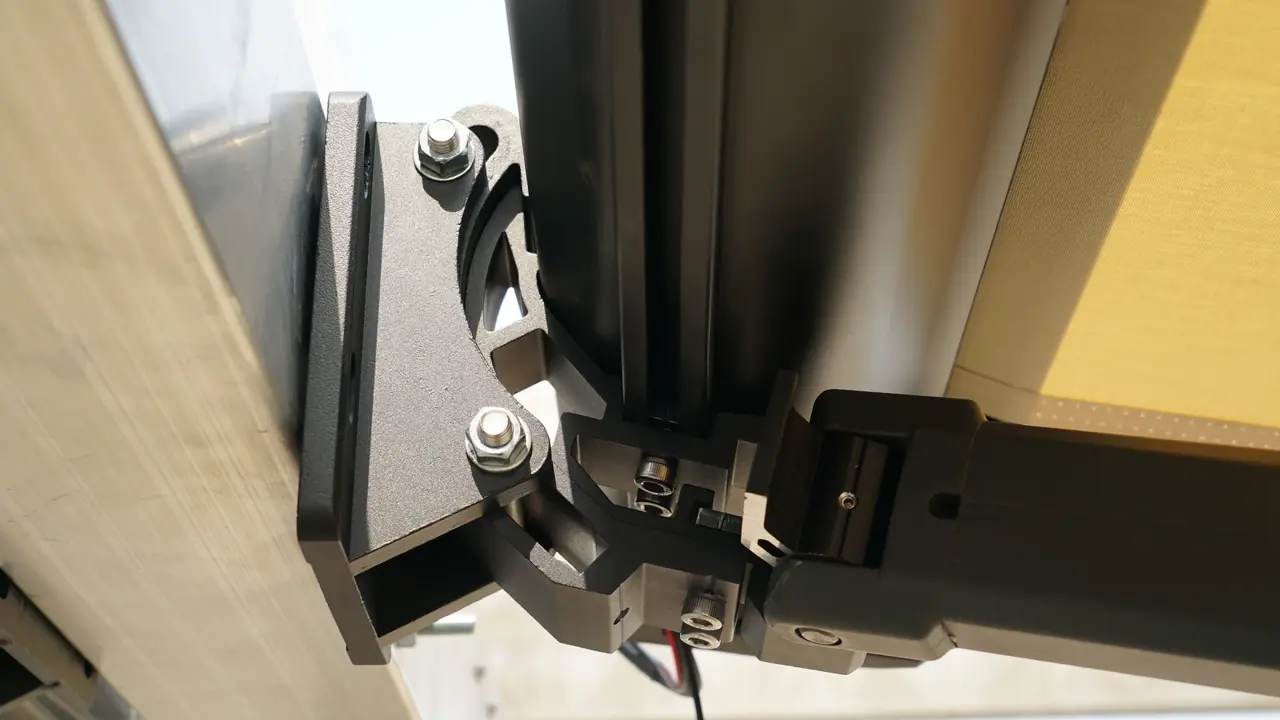
Have the seller identify supplied components, instructions and accessories, while the installer lists site-dependent verification and additional scope. Included generic hardware is not automatically suitable for every substrate. Appropriate professionals must confirm mounting and electrical work; this is not a universal installation tutorial. Agree receipt checks, missing-part reporting and damage records beforehand. If each party expects the other to provide information, resolve the gap instead of postponing it until customization or attendance. Clear supply and fitting lists reduce stalled work with no identifiable next responsible party.
Define fault handling beyond a general warranty label
After an abnormality, assessment may be needed to identify equipment, installation or other factors. Do not assume the local installer automatically provides free resolution of every issue. Ask both parties about reporting, records, site diagnosis, shipped parts and actual terms. This guide does not determine legal liability or contractual rights; those depend on applicable rules and advice. Procurement should establish a workable ordinary service path. Parts supplied by the seller and a technician attending to fit them are distinct tasks, and one should not be mistaken for complete support.
Connect both teams through the handover record
Keep identifiers, the supply list, installation confirmation, operating instructions and both contacts, assigning outstanding tasks. Update substitutions so support uses the final configuration rather than the original cart contents. Normal deployment is only one part of delivery; also check documents, reinstatement and agreed user handover. Compare online supply plus local fitting through actual cost and scope without assuming it is always cheaper or more flexible. A suitable arrangement assigns every necessary action and prevents the user from endlessly relaying the same unresolved question between two organizations.
- Have the local installer review equipment and site information before purchase.
- Separate supply, site materials, missing parts and electrical scope.
- Assign diagnosis, shipped parts, attendance and handover records.
After buying online and hiring an installer, should all support go to the installer?
Do not assume that. Agree supply, suitability, diagnosis, parts and attendance scope with both parties and retain actual terms and contacts. Different issues may require different providers and an assessment of cause. Confirm acceptance of the model before purchase and keep the final configuration and outstanding-task owners at handover.
More questions, practical answers →