Trade & procurement
Identify replacement parts for an unknown pergola brand
Identify old pergola parts through labels, interfaces and function, distinguishing visual similarity from approved replacement compatibility.
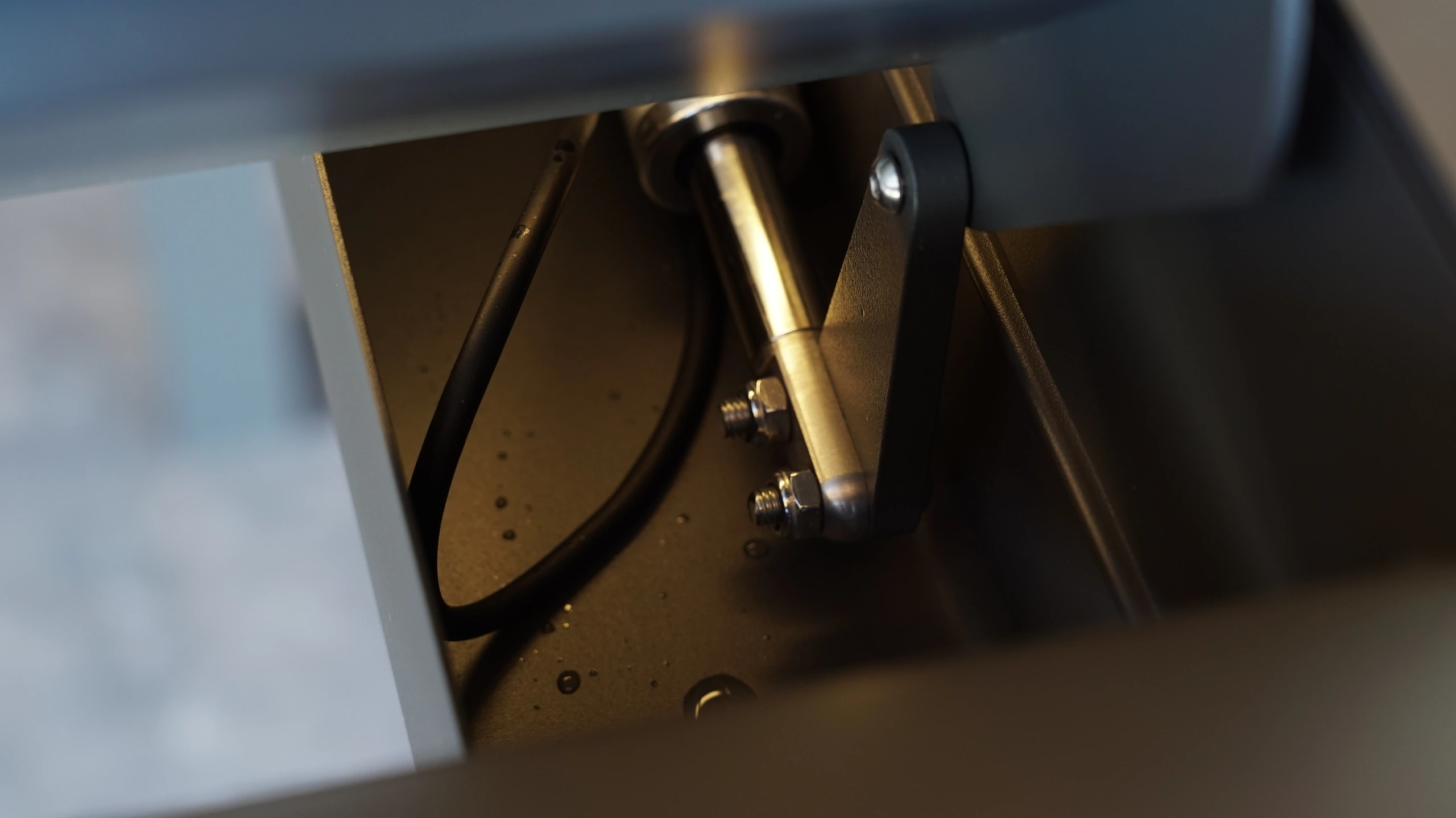
Search for identity before visual resemblance
When purchase records are missing or the original supplier is unavailable, replacement searches often begin with photographs. Similar caps, linkages or control boxes may differ in dimensions, mounting and function. Gather order traces, labels, remote-control information, equipment plates and old drawings before relying on a front view alone.
Collect information that can be obtained without dismantling hazardous areas. Labels inside electrical housings or inaccessible locations should be handled by appropriately qualified people. Mark unknown information honestly; guessing a brand or model can send the entire search toward the wrong component.
Mechanical fit is only one part of compatibility
Mechanical parts need their location, interface shape, orientation and relevant confirmed dimensions. Controls additionally need matching electrical and communication requirements. A component that physically fits is not necessarily suitable for the original forces or functions. Do not drill, machine or relocate structural connections or transmission parts merely to make a substitute fit.
A controller cannot be selected from connector shape and brand alone. Manufacturer protocol information shows differences in control and feedback capabilities. Have appropriate technical personnel assess the original information and state which functions remain, which require configuration and which need verification. Purchase an identified model, not an unexplained universal controller.
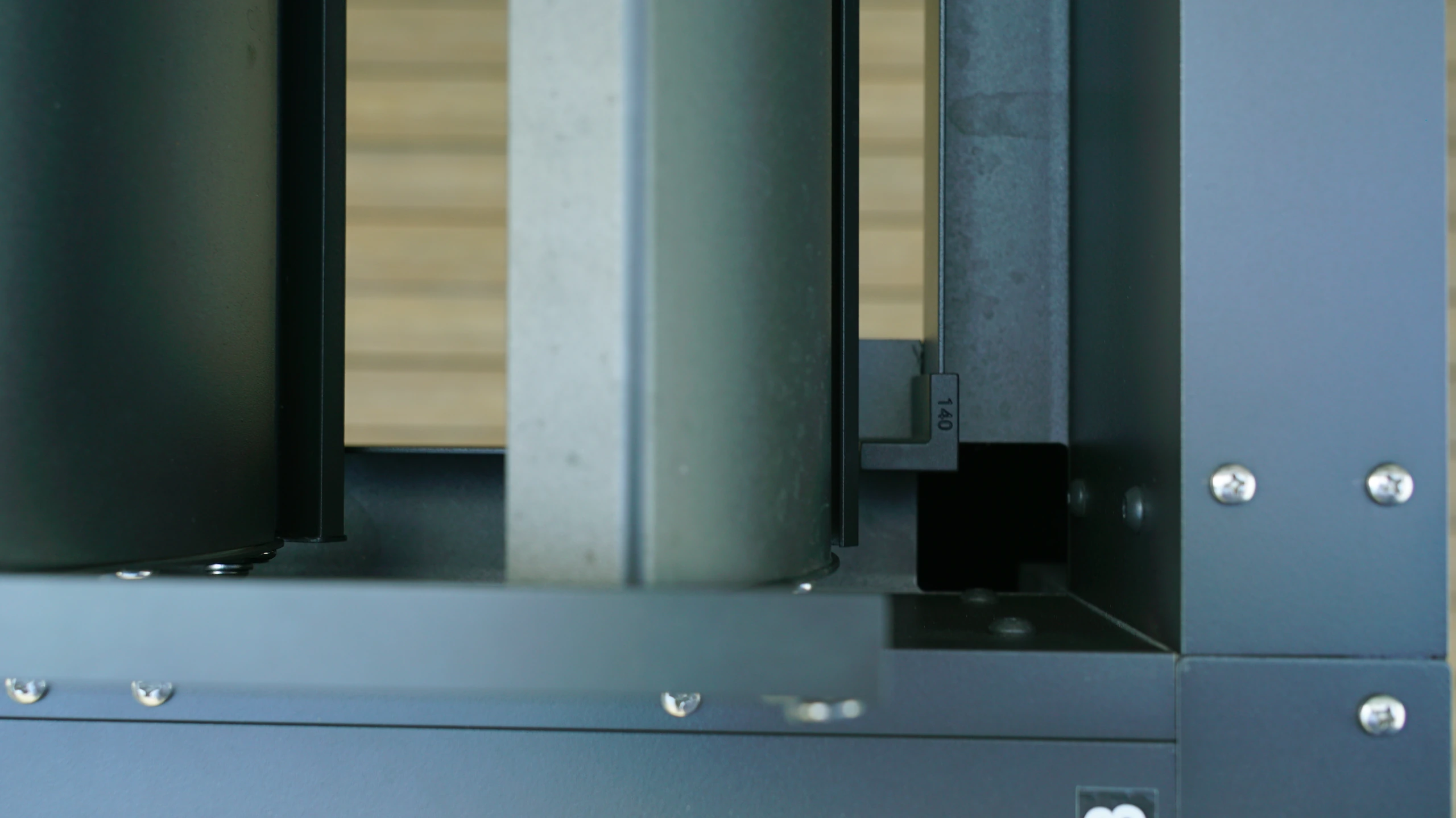
Compare original replacement with a reviewed alternative
Suppose an old controller is unavailable while its motor and sensors remain installed. Replacing only the box may seem simple, but support for the existing equipment, protective behaviour and operation requires individual checks. If a reliable compatible option cannot be established, assess a fuller professionally designed update instead of repeatedly trying similar-looking devices.
Compare cost, downtime, retained functions and documentation needs so the owner can approve an informed option. Preserve the original system record. Brief operation does not establish the suitability of an unidentified used part, and bypassing protective functions is not an acceptable way to demonstrate compatibility.
Make the replacement traceable
Before replacement, retain the original identity and approved plan. Afterward, record the new part, settings, checks and responsible personnel. Structural or electrical work should not be reduced to a remote photograph conversation when site work is needed. Update user instructions to match the resulting system and its support route.
If only a broad component type is known, continue identifying it rather than buying on assumption. A clear information pack helps the service provider decide the next step; a collection of visually similar parts adds comparison and return work without resolving uncertainty.
- Collect order traces, labels, location and safely obtained photographs.
- Check mechanical, electrical, protocol and functional compatibility separately.
- Have the alternative reviewed and document the final state.
Can a similarly sized online connector be used as a direct replacement?
Similar dimensions are insufficient. Check material, interface shape, orientation, connection requirements and intended use, with appropriate technical review for structural parts. Do not force a match by drilling or machining. Provide original identification, drawings and site information so the service or design team can establish an acceptable replacement.
More questions, practical answers →