Planning and care
Aluminium pergola care: a practical maintenance routine
TTH Pergola aluminum pergola guide: keep finishes, drainage and moving parts under observation with a clear, product-specific maintenance routine.
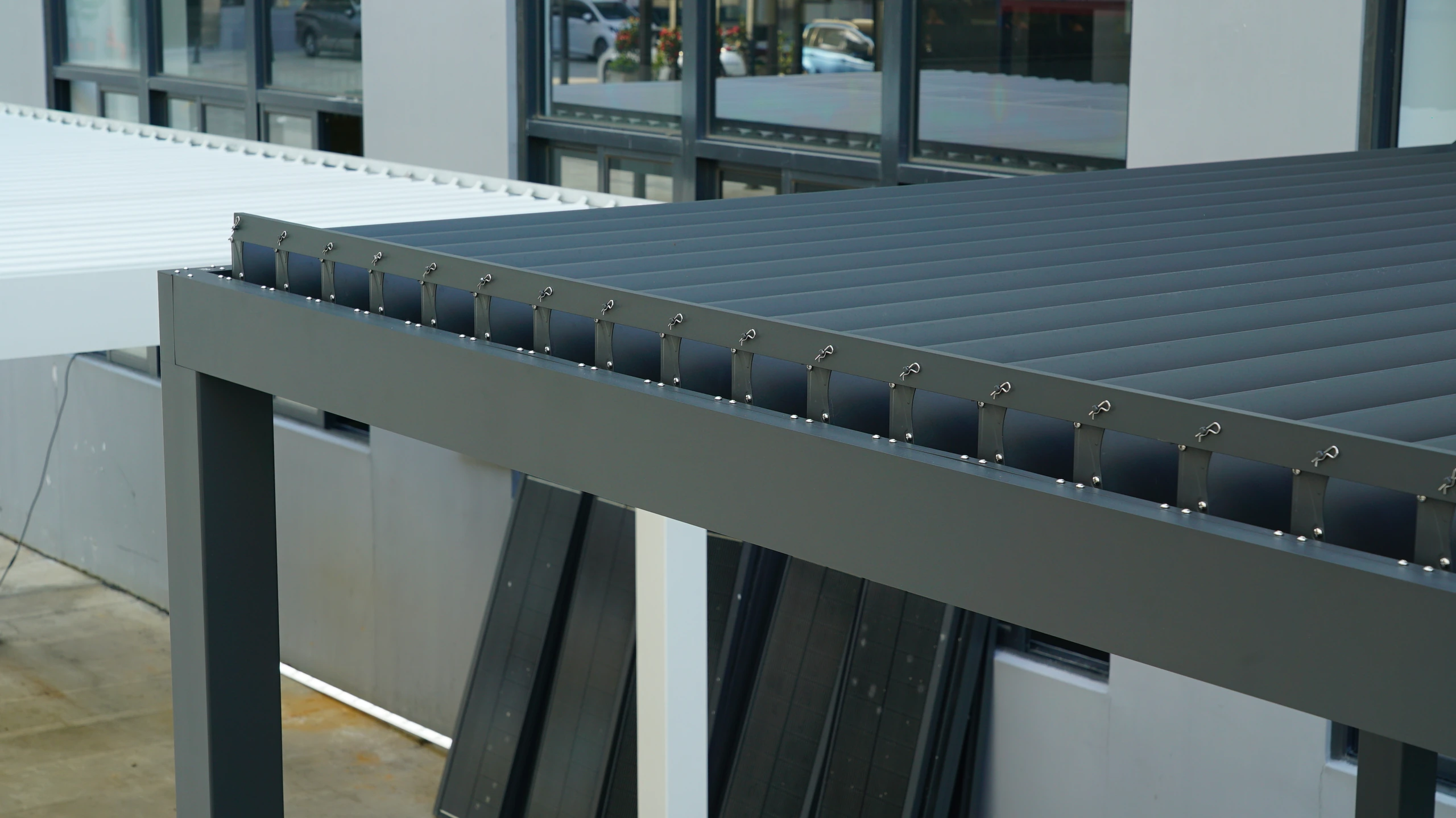
Make maintenance a small routine rather than a rescue job
Outdoor surfaces experience dust, pollen, leaves and changing weather even when a pergola is used gently. A sensible maintenance routine begins with observation: look for debris near drainage paths, changes in movement and marks that were not present before. This is different from dismantling parts or applying products at random. Record what you see, use the instructions supplied for the finish and moving components, and keep the work within the access methods intended for the installation.
For a TTH Pergola owner, a short record after cleaning can be more useful than a complicated checklist that is never used. Note the date, the area cleaned and anything that needs follow-up. On tthpergola.com, component photographs help distinguish a base connection, a guide or a louver linkage when describing an observation. Avoid assuming that a cleaning chemical suitable for a patio is suitable for a coated frame, screen fabric or seal. Similarly, extra lubricant is not an automatic cure for resistance. When a change persists, describe the operating state and location before asking for advice. Regular, modest attention makes it easier to notice a new issue and to keep useful information with the product throughout its service life.
Use the product instructions as the starting point
A useful aluminium pergola maintenance routine covers the finish, drainage route, moving components and accessories. Follow the instructions supplied for the installed configuration; there is no single cleaning interval or chemical that is suitable for every finish and environment. Keep those instructions with the model information and installer contact details. This makes it easier to ask the right question when the pergola's appearance or operation changes.
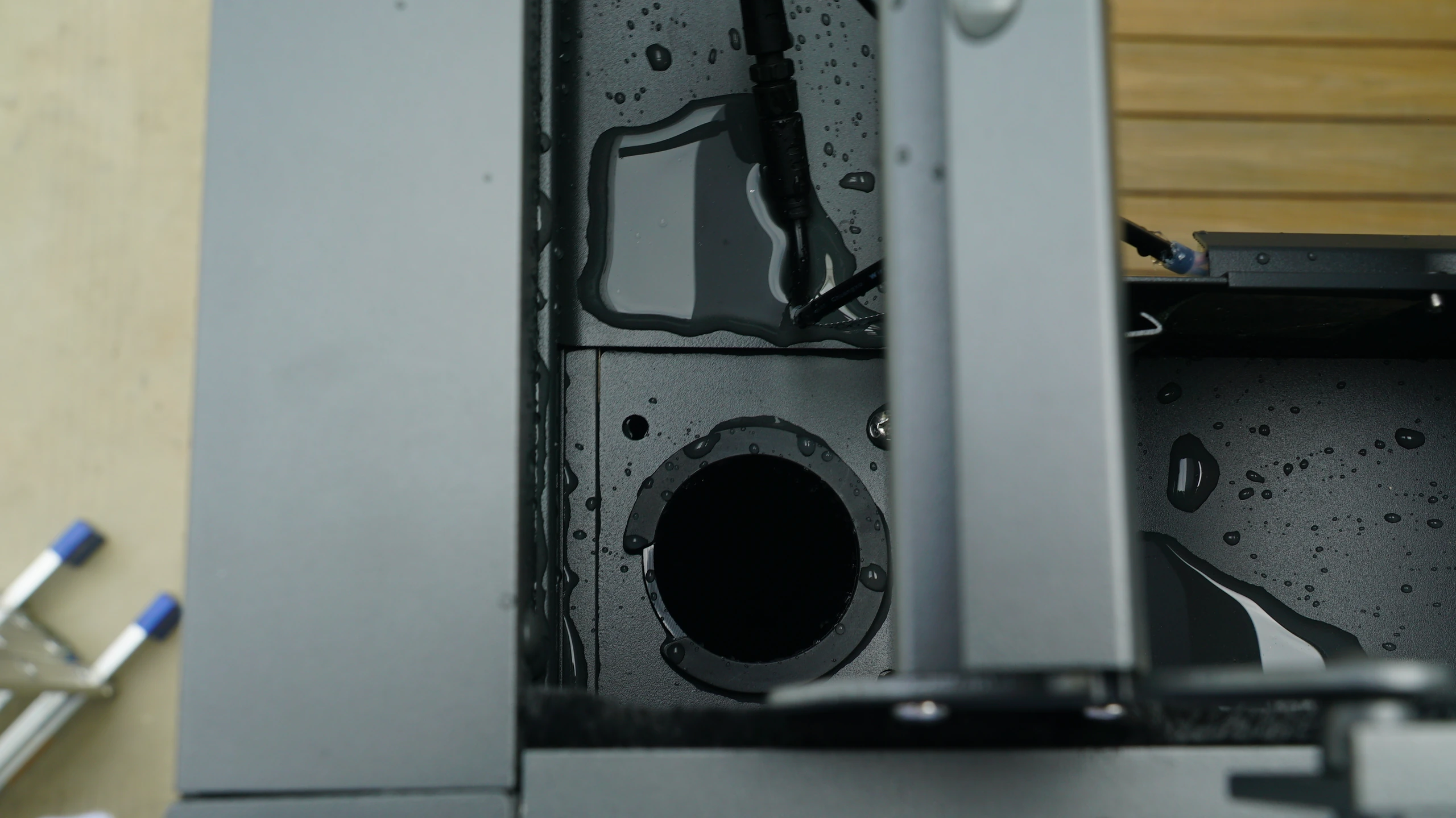
Clean accessible surfaces without damaging the finish
Remove loose dirt before cleaning and use only methods approved for the supplied finish. Test any permitted cleaning approach in an inconspicuous area if the instructions call for it. Do not assume that a strong household cleaner, abrasive tool or pressure washer is appropriate. Avoid forcing water into electrical components or mechanisms. Where access involves height or disassembly, arrange appropriate professional assistance instead of climbing on the roof or standing on furniture.
Inspect function as well as appearance
Visual checks are most useful when they follow a repeatable route. Look for a change from normal rather than trying to diagnose a technical fault yourself. Note unusual sounds, interrupted movement, accumulated debris or visible damage. Do not adjust anchors, electrical controls or structural connections without the correct guidance. A short record with photographs can help the supplier determine what information or professional inspection is needed next.
| Area | What to observe |
|---|---|
| Finish | Dirt build-up, scratches or a change in appearance |
| Drainage | Visible debris and changes in water discharge |
| Moving parts | Unusual noise, obstruction or uneven movement |
| Accessories | Screen guides, glass tracks and control behaviour |
Adapt the routine to the surroundings
Trees, construction dust and coastal exposure can create different maintenance demands. Ask the supplier how the actual environment affects the recommended care routine rather than adopting an arbitrary schedule from another project. After unusual conditions, consult the product guidance before operating the roof or accessories. Keep dated maintenance notes and report problems promptly, including the model, affected component and a description of what changed. These details support a more focused response.
How often should every pergola be cleaned?
No single interval suits every setting. Nearby vegetation, airborne dirt and the installed finish affect the routine. Use the supplied maintenance guidance and adjust inspections to visible conditions rather than relying on a universal schedule.