Solar canopy decisions
Solar Carport Water Tests and Electrical Acceptance Are Different
Coordinate separate water-management and electrical acceptance for solar carports, with approved methods, responsibilities, records and corrections.
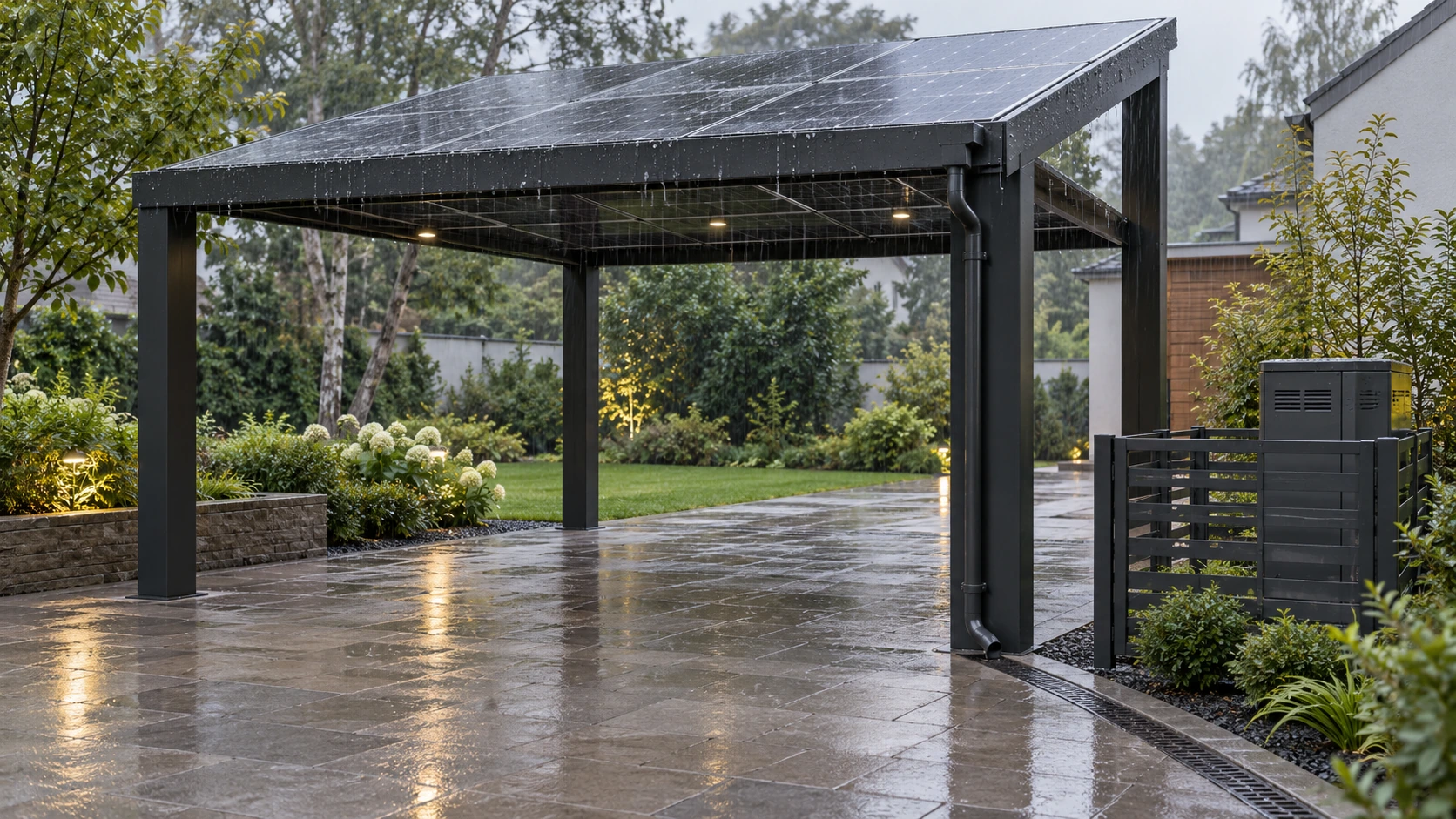
Recognize that the two checks answer different questions
Define water-management and electrical acceptance separately, then coordinate them through qualified teams. Water checks address contracted roof joints, runoff, drainage and conditions beneath the canopy; electrical acceptance addresses required checks and operating confirmation for the installed system. No observed leak does not establish electrical protection or connection compliance. Inverter generation does not prove runoff avoids vehicles or pedestrian areas. DOE installation and commissioning guidance provides coordination context, while actual methods, permissions and precautions depend on design, equipment instructions and local requirements.
Approve the method before introducing water
Before any water test, define area, conditions, equipment state, authorized personnel and records, with competent teams approving precautions. Ordinary users should not hose modules or electrical equipment to test safety. Match checks to the approved roof assembly and drainage requirements rather than blocking outlets to create unassessed conditions. State limits where conditions fall outside contracted performance; one test does not establish absolute weatherproofing. Water and electrical teams should know each other's plans, particularly how to stop and hand over findings when moisture or abnormal indications appear.
- Define water and electrical acceptance scopes separately.
- Approve methods, equipment states and permissions first.
- Record locations and verify corrections by the relevant discipline.
Review retesting after an interface correction
Imagine a local roof joint needing adjustment after a water check. Once corrected, do more than confirm that dripping stops: relevant specialists should determine effects on module attachment, cables or other interfaces and any required rechecks. Electrical commissioning changes to cable routes or equipment positions may likewise alter drainage details. This example does not allege leakage in a specific product. It shows why cross-discipline changes need feedback. Record location, owner, correction and closure evidence so each conclusion corresponds to actual work.
Retain scope and operating limits at handover
Handover should include final drawings, relevant checks, closed corrections and maintenance requirements, stating conditions to which observations apply. Assign unresolved interfaces and next actions rather than hiding them within an all-clear summary. Operators need contacts, use restrictions and boundaries for professional-only work if abnormalities appear after rain. Later additions of modules, lights or cables can change interfaces and require review and updated records. Describing roof and electrical functions distinctly supports accurate product information and maintenance without expanding a single demonstration into a complete-system guarantee.
Does a leak-free water test prove complete carport acceptance?
No. It supports water observations only within the method, area and conditions tested. Electrical, structural and other scopes need separate acceptance. Qualified teams should organize approved testing and review affected interfaces after corrections, retaining records and outstanding items.
More questions, practical answers →