Solar canopy decisions
Can an Existing Solar Carport Frame Be Reused During Repowering?
Assess an existing carport frame for repowering using original design, current condition, changes and new equipment requirements.
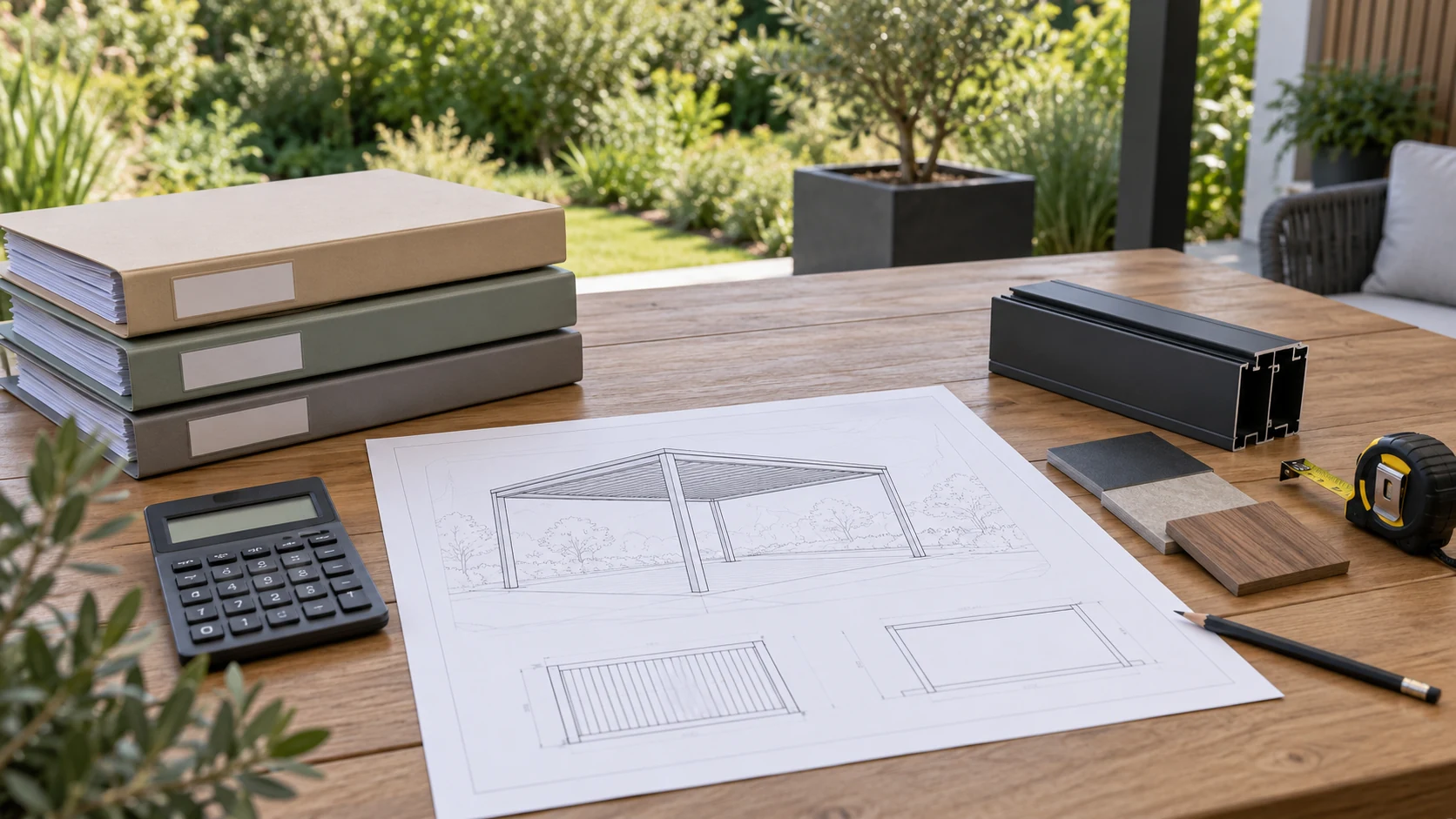
Treat reuse as a design decision requiring evidence
Retaining a frame during repowering may avoid some removal work, but feasibility depends on the actual structure and proposed design. Original calculations, installation records, repairs and current condition are inputs; an intact appearance does not establish suitability for new requirements. Record corrosion, impacts, drilled holes and other modifications. DOE end-of-performance and installation resources help compare reuse, modification and retirement, but generic time periods are not TTH lifespan or warranty evidence. Have qualified teams define the required assessment before treating reuse as a quotation assumption.
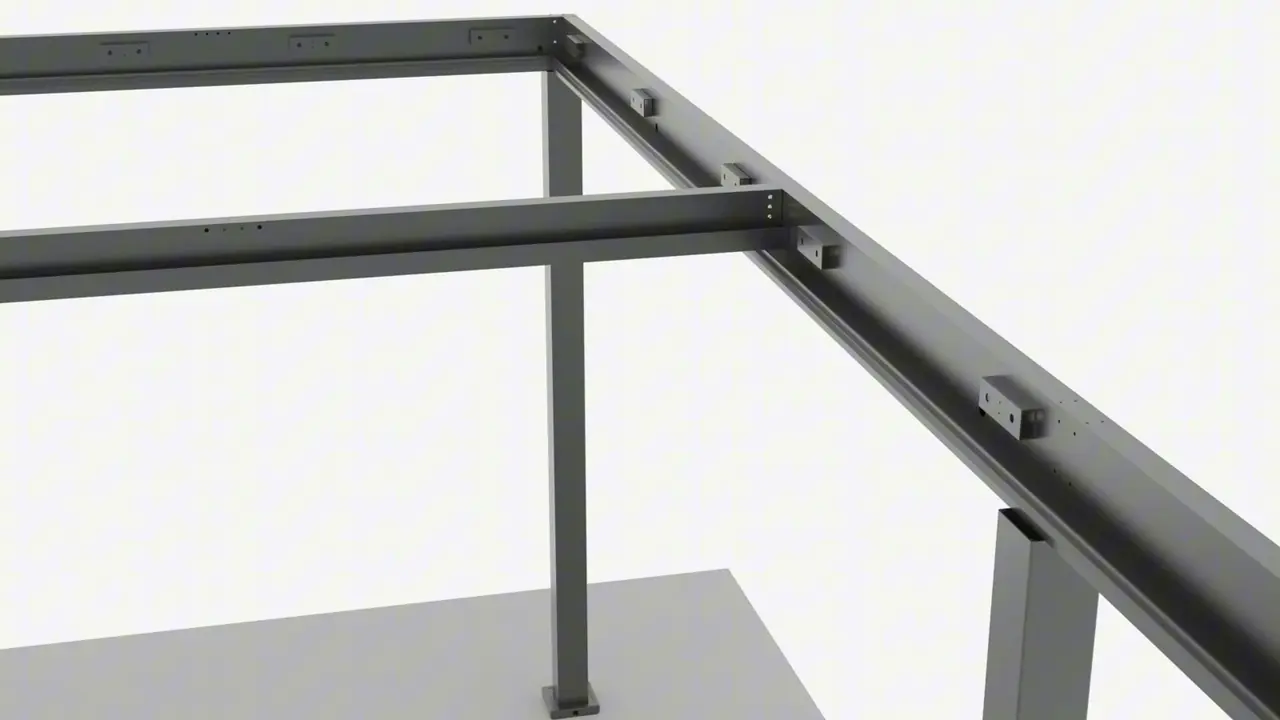
New modules can change more than weight
New modules may change dimensions, clamp zones, layout, wind effects and roof interfaces, so comparing unit weight is insufficient. Cable routes, equipment locations and maintenance needs may also differ and require joint structural and solar review. Mixed old and new modules need electrical and mounting assessment. Findings should define retained scope, repair or strengthening needs, limitations and evidence. Mark unresolved matters rather than treating years without an incident as a substitute for review. Reinforcement or drilling belongs in an approved design, not an improvised field solution.
- Collect original design, installation and change records.
- Review new structural and electrical interfaces together.
- Define reuse scope, corrections and approval evidence.
Test the assumption against changed module dimensions
Imagine larger replacement modules quoted with a new inverter while the existing frame is assumed unchanged. Review may identify mounting or joint adjustments, so comparison must include related work and parking disruption instead of equipment prices alone. Assessment may also support retaining some areas while treating others differently. The scenario assumes neither universal suitability nor universal replacement. It requires conditions to be explicit. A reuse conclusion applies to a particular design version and should be revisited if later equipment selection changes that proposal.
Link previous and new records at handover
After repowering, map retained members, repaired areas, new equipment and approved changes, updating as-built drawings and maintenance requirements. Future teams should distinguish original from replaced parts and see remaining checks. Mark configuration changes in the operating baseline instead of directly comparing totals with the old system. Include a fallback scope during procurement in case reuse is not supported, reducing rushed decisions after assessment. Choose on technical feasibility, actual work and owner needs, without presenting frame retention itself as proof of fixed savings or added years of service.
Can new panels be fitted directly if the old carport has worked for years?
Review is still needed. Past operation does not establish current condition or compatibility with new modules. Check design, corrosion, changes and structural and electrical interfaces, then document retained scope, corrections and updated records. Appearance or generic lifespan figures are insufficient.
More questions, practical answers →