Solar canopy decisions
Solar Carport Connectors: Why Physical Fit Is Not Compatibility
Physical fit does not establish verified PV connector compatibility; preserve manufacturer, model and pairing evidence in procurement and handover.
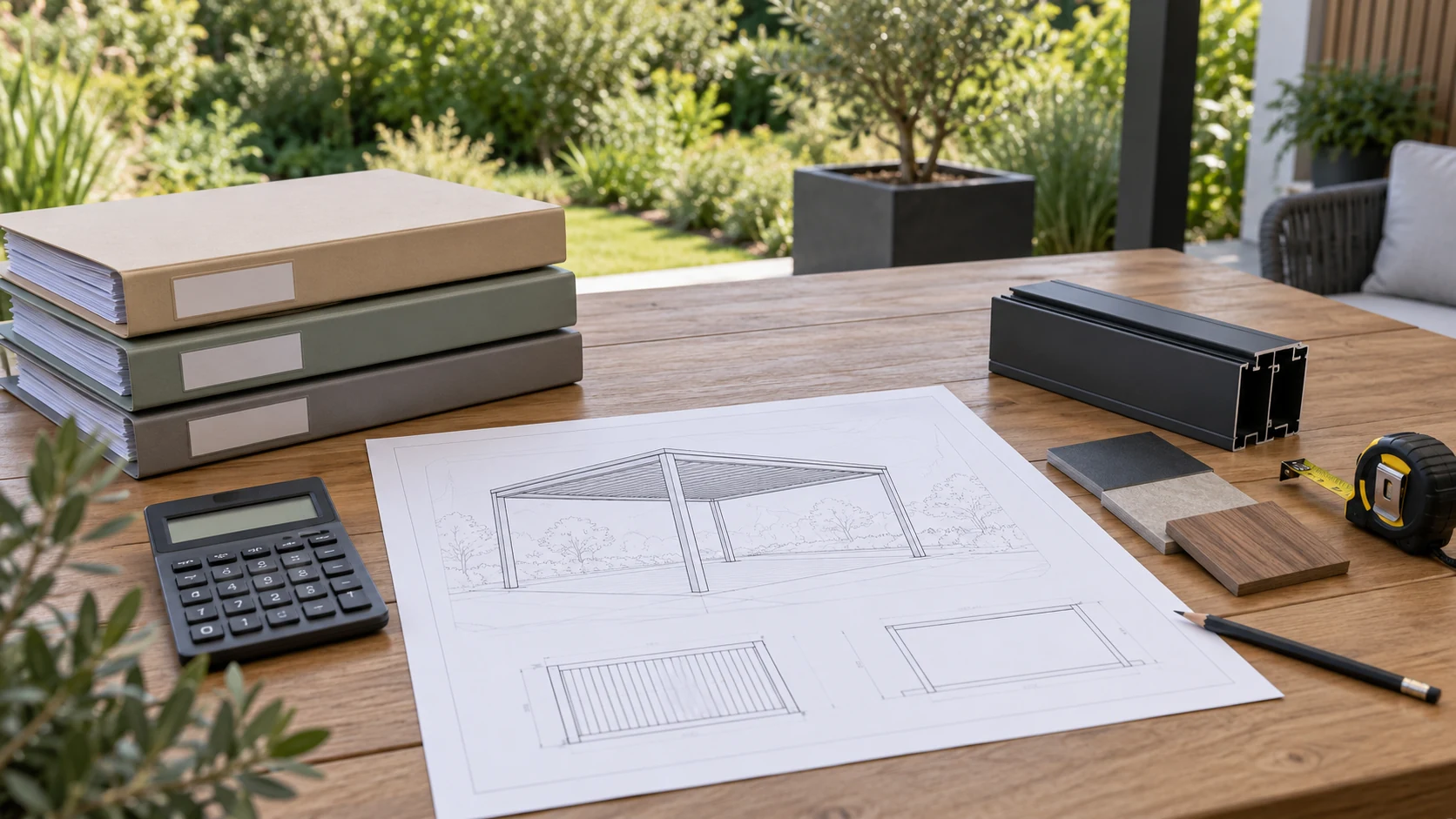
Physical fit and verified compatibility are different
Solar carport connectors that look alike or physically mate are not automatically a verified pair. NREL connector research identifies cross-mating between manufacturers or models, as well as installation and support issues, as concerns. Owners do not need instructions for making connections; they need professionals to identify the connectors used between equipment and the specific evidence supporting each pair. A generic compatible label or familiar shape name is insufficient without manufacturer, model and approval information. Connector review is particularly important when modules or inverters change.
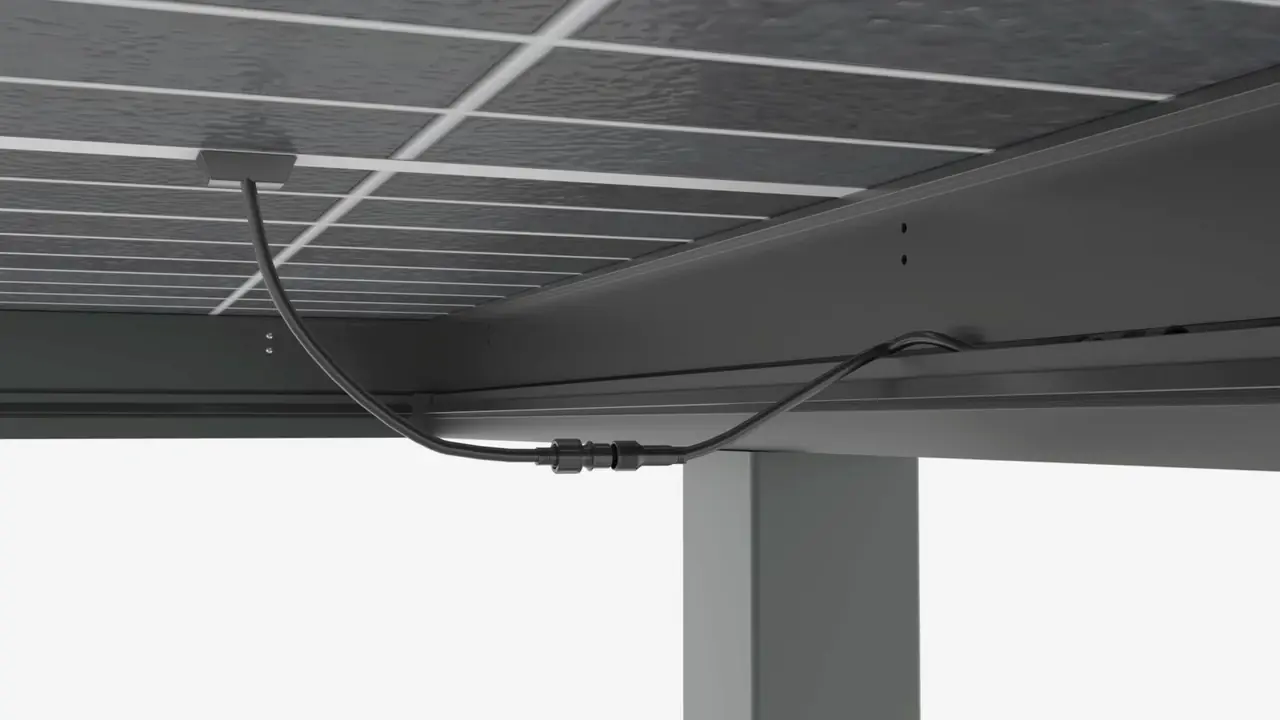
Preserve traceable identities in the equipment schedule
Schedules should identify module-end, equipment-end and intermediate connections for review by the responsible electrical personnel. Check certification scope: evidence for one connector does not establish verified pairing with every other brand. Installation methods and tooling belong with qualified installers, and procurement staff should not judge connection quality from photographs. For substitutions, record original and replacement identities and the renewed compatibility basis. As-built information should reflect the installed state; a packing list alone may not explain subsequent interface changes.
- Record manufacturer, model and location of use.
- Obtain professional pairing and substitution confirmation.
- Preserve installed equipment and connection information for service.
Spot omissions when modules change late
Imagine a faster-available module brand replacing the original after its dimensions have been approved. Electrical review must still verify the new module connectors against equipment already purchased. Unclear documentation calls for professional resolution, not a trial fit by installers as the decision method. This does not declare every multi-brand system impossible; it rejects physical appearance as compatibility evidence. Update schedules, instructions and service spares where affected, distributing the complete change so the installation team does not continue using the old list.
A product-family name without the specific model still needs clarification; a broad label may conceal connection differences.
Refer abnormalities to professional response
If a connection area appears loose, damaged or abnormal, follow the site's training and refer it to qualified service personnel rather than disconnecting, crimping or energizing it experimentally. NREL research explains concerns and information needs; it is not a TTH inspection report or a substitute for local electrical requirements. Identified equipment, change records and service contacts provide a clear diagnostic starting point. Return repair, replacement and test information to the asset record so a future team can identify what changed, rather than knowing only that a repair occurred.
What should procurement check beyond a compatible-connector claim?
Request manufacturer, model, pairing evidence and certification scope for professional electrical review. Recheck after module or inverter substitution and update installed records. Similar appearance or physical mating alone is insufficient, and non-specialists should not test by disconnecting or energizing connectors.
More questions, practical answers →