Home planning
Phasing a pergola budget: resolve the site decisions that are hardest to change
Separate site preparation, the main frame and optional accessories, verifying future additions before committing to a phased installation.
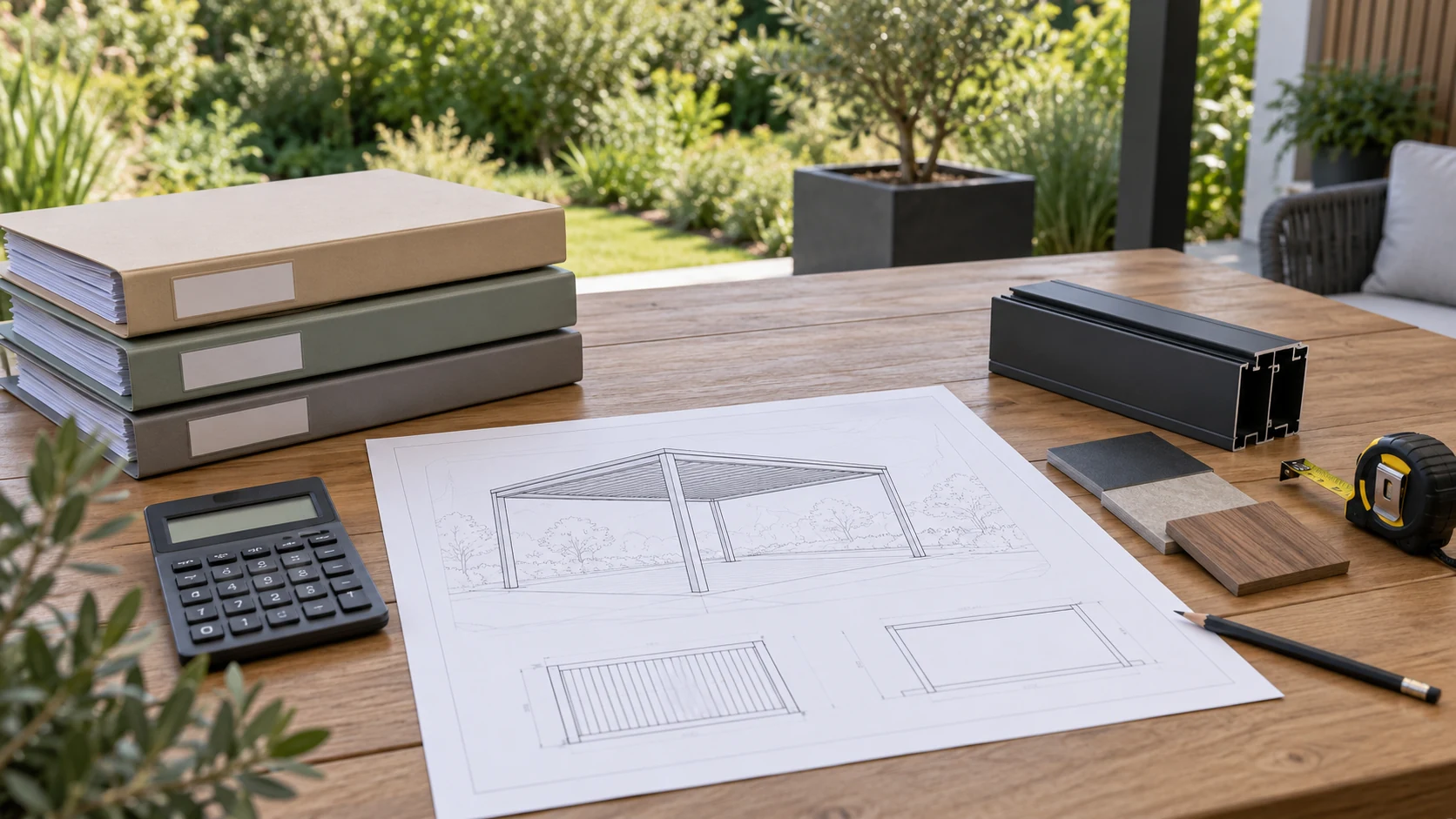
Prioritize by difficulty of rework, not item price alone
A limited budget naturally draws attention to the cheapest items, but phasing also requires knowing which completed decisions are hard to change. Support conditions, buried services, frame placement and main routes may constrain later choices more than furniture color. Separate site preparation, structure, service interfaces and movable items, then ask what must be disturbed to change each. This does not prescribe foundations or construction methods; site professionals determine those. The purpose is to support known future needs in phase one rather than create new costs by omitting necessary review.
Get specific confirmation for future additions
Adding something later becomes a workable plan only when interfaces, compatibility and site conditions are confirmed. Describe future uses and ask the supplier about applicable configurations, locations, service space and limitations. Different series from one brand are not automatically interchangeable, and a verbal sales comment is not an indefinite supply guarantee. Keep undecided options in the discussion but identify unknown conditions. Every provision should have a clear purpose rather than adding current complexity for every imaginable future possibility.
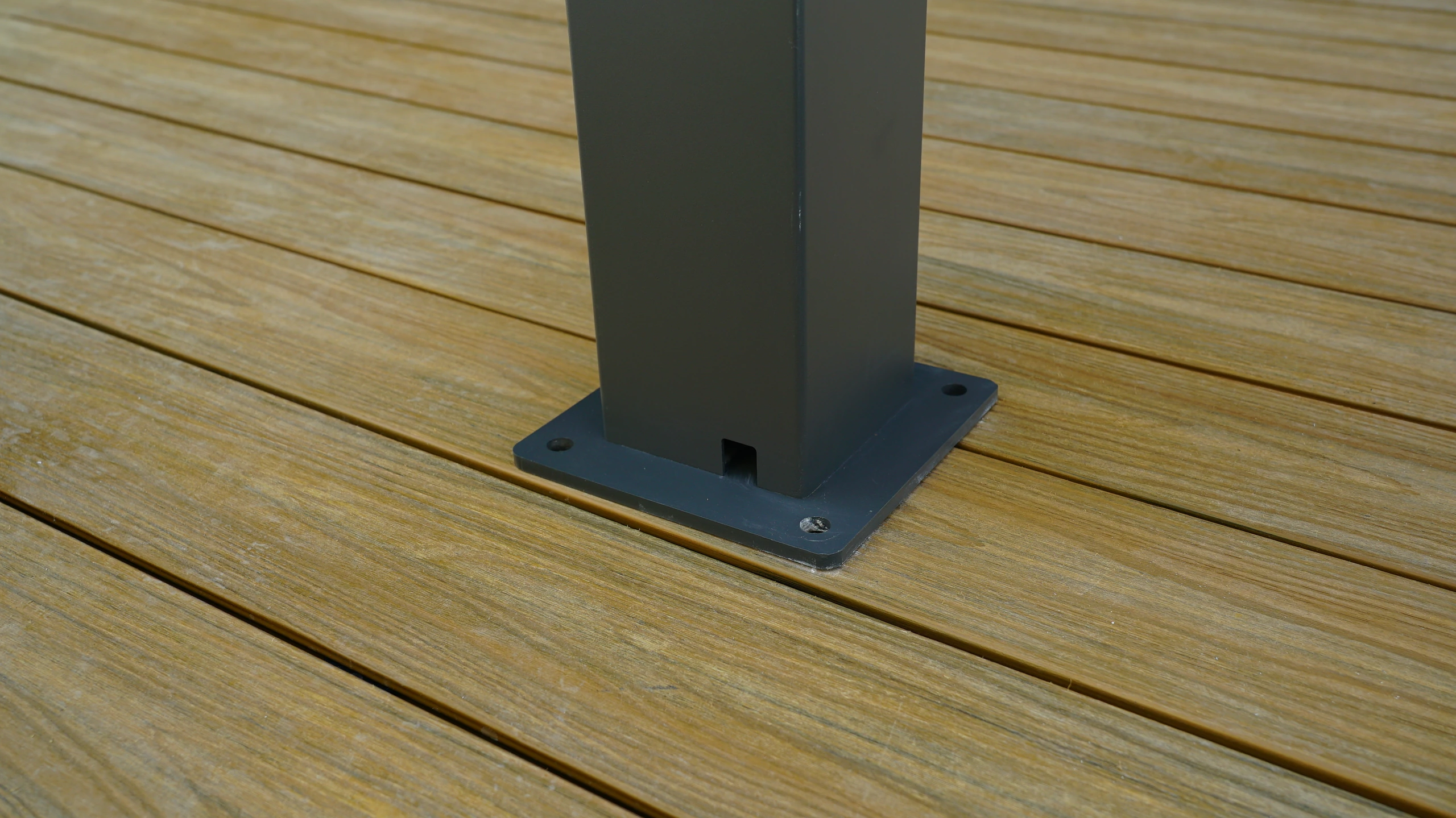
Compare a hypothetical two-stage household plan
Imagine phase one serving family dinners and phase two creating a more private lounge. Establish furniture and routes first, confirm the area future side devices might occupy, then decide the initial frame and ground arrangement. If an accessory would later require removing a fixed planter, recognize that cost now rather than discovering it in a second quotation. The example does not require buying all accessories early; it brings foreseeable conflicts forward. Where future use itself is uncertain, retain flexibility and acknowledge unknowns instead of paying for elaborate provisions in place of a decision.
Give each phase a complete deliverable scope
Phase one should function as a complete installation for its agreed use, without essential work deferred to an undated next phase. State current scope, confirmed provisions and matters requiring future reassessment separately. Keep photographs of interfaces and final drawings for later quotations, reducing guesswork during repeat surveys. Include delivery, installation, finishing and supporting services in the budget rather than comparing product components alone. A clear phased proposal shows what each investment delivers and which expectations have not yet been promised.
Give each phase an observable completion criterion, such as a clear dinner route or written interface confirmation. Avoid vague labels such as mostly complete. If the budget changes, those criteria help reveal whether a reduced scope removes something essential.
- Group site work, frame, service interfaces and movable furniture.
- Confirm conditions for each later addition instead of assuming compatibility.
- Separate current delivery, provisions and future reassessment.
With a limited budget, should everything except the frame be left for later?
Not as a blanket rule. Resolve support, circulation and difficult interfaces, then choose what can wait. The current phase needs a complete scope for its agreed use, and additions need specific compatibility evidence. Keep uncertain needs open rather than relying on a claim that everything can be added later.
More questions, practical answers →