Solar canopy decisions
Phased Solar Carport Expansion: Reserving the Right Interfaces
Plan structural scope, electrical capacity, compatibility and connection conditions separately for phased solar carport expansion.

Define what the second phase might add
A two-phase solar carport needs a defined second-phase objective, not a generic future-expansion note. Additional roof area, modules, charging or storage raise different structural, electrical, control and approval questions. Identify the reasonably foreseeable scope, whether timing is known and which elements remain ideas. Professionals can then distinguish interfaces worth reserving now from matters better designed when future conditions are clearer. Avoid purchasing everything for an undefined maximum, but also avoid promising unrestricted module additions simply because land remains vacant.
Break reservations into verifiable items
Separate reserved locations, routes, equipment space, electrical assessment, communications and application conditions. State what phase one actually delivers and what later requires review. Empty conduit is not available supply capacity, spare cabinet space does not establish equipment compatibility, and unused structural space does not prove load capacity. Use the same expansion assumptions across disciplines and clearly mark unbuilt scope. For future shared monitoring, check data and device-integration conditions rather than only today's connectivity.
- Record purpose, completion state and limits of each reservation.
- Separate physical space from capacity and approval conditions.
- Retain shared-interface drawings and responsible contacts.
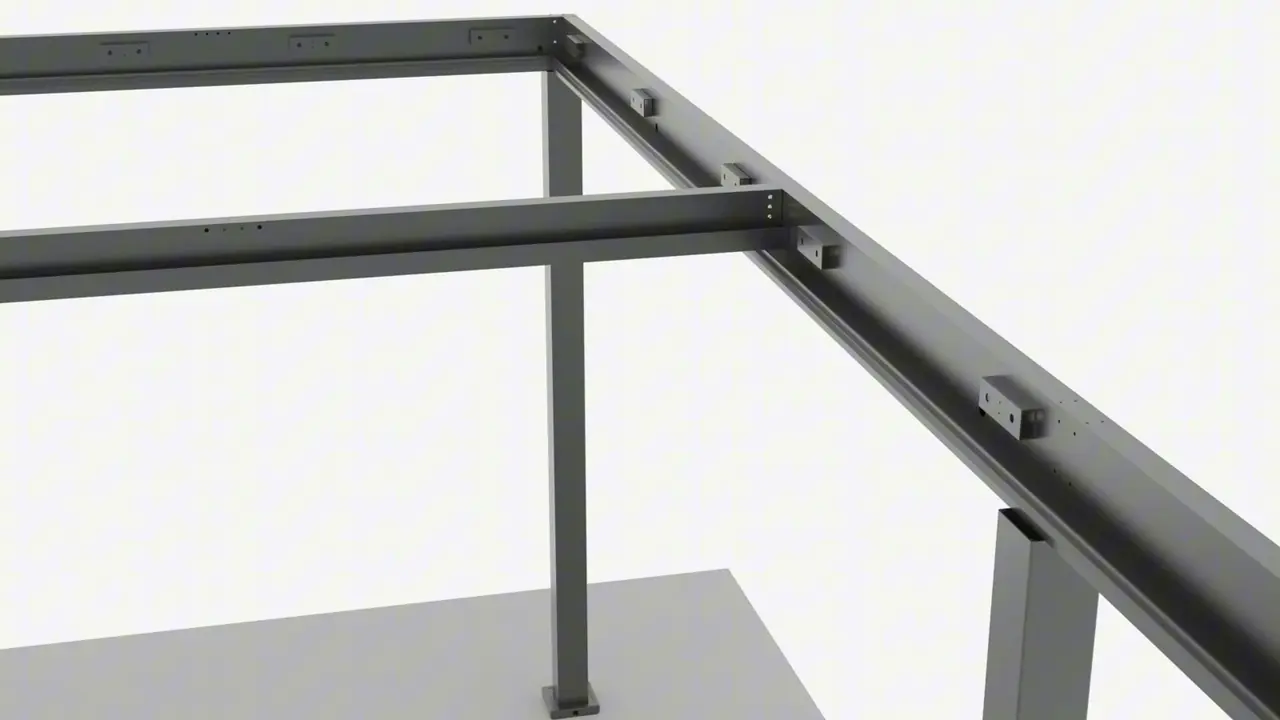
Test a future additional roof row
Imagine phase one covering some bays and a later phase adding the neighboring row. Shared routes and equipment areas can be considered now, while the expanded connection and electrical configuration still need professional confirmation. Different available modules or a new tenant's demand years later may invalidate the original sketch. Record review triggers. Reservation is best understood as preparation to reduce repeated work, rather than a guaranteed expansion capability: it supports the later decision without replacing later design.
A clear drawing legend for unbuilt scope prevents a later team from mistaking dashed future equipment for assets already purchased or installed.
Reconfirm the baseline before phase two
Before phase two, review phase-one as-builts, equipment, metering and connection conditions and verify intervening changes. DOE procurement and installation guidance supports lifecycle coordination, not unlimited expansion of a TTH configuration. Early supplier recommendations need a defined scope and updated professional design. Resolve compatibility and responsibility after controller or service-provider changes before adding work. Keep phase acceptance and performance records distinct so phase-one dates and results are not applied to equipment that has not yet operated.
Does spare conduit guarantee that more panels can be added in phase two?
No. Conduit is a physical interface; structure, compatibility, electrical and connection capacity, controls and permission still need review. Reconcile as-built records with current requirements before phase two. Reservations can reduce repeated work but do not establish approved expansion. Retain the applicable limits.
More questions, practical answers →