Trade & procurement
Build a useful remote pergola factory acceptance video
Organize remote pergola inspection around order identity, planned checks and issue records, while recognizing the limits of video evidence.
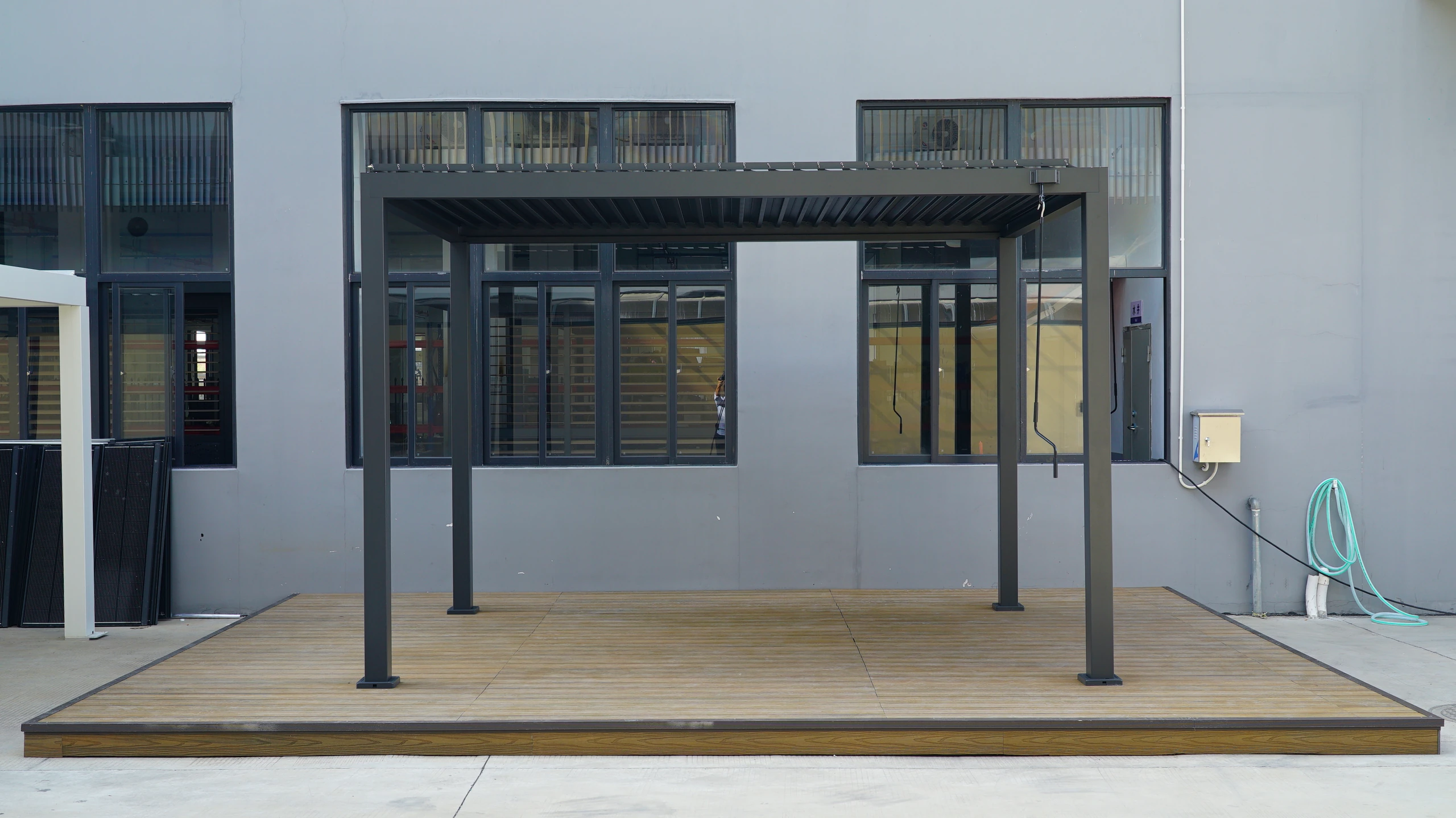
Plan the questions before the filming
Start with agreed inspection questions rather than a request for a comprehensive video. They may concern dimensions, quantities, appearance, accessory identity or approved functional demonstrations. Define the object, recording method and acceptance condition for each check before filming, so essential details are not discovered missing afterward.
Video records visible events; it does not automatically establish alloy grade, long-term durability or extreme-weather performance. List checks requiring documents, testing or physical inspection separately. Matching each question to an appropriate evidence type makes the remote session useful without treating visibility as complete verification.
Make the footage identifiable and understandable
Begin with the order or inspection reference, scope and drawing revision, then show the inspected components in context. Measurements should show tool placement, endpoints and the reading rather than an isolated number. Move from an overall view to appearance details, using component references so corrections can be tracked.
Functional demonstrations must follow equipment instructions and site safety arrangements; never create an impermissible operating condition for filming. Continuous footage helps explain sequence, but note connection failures or interruptions. A smoothly edited clip does not establish an uninterrupted test. Link original files, issue references and the inspection checklist.
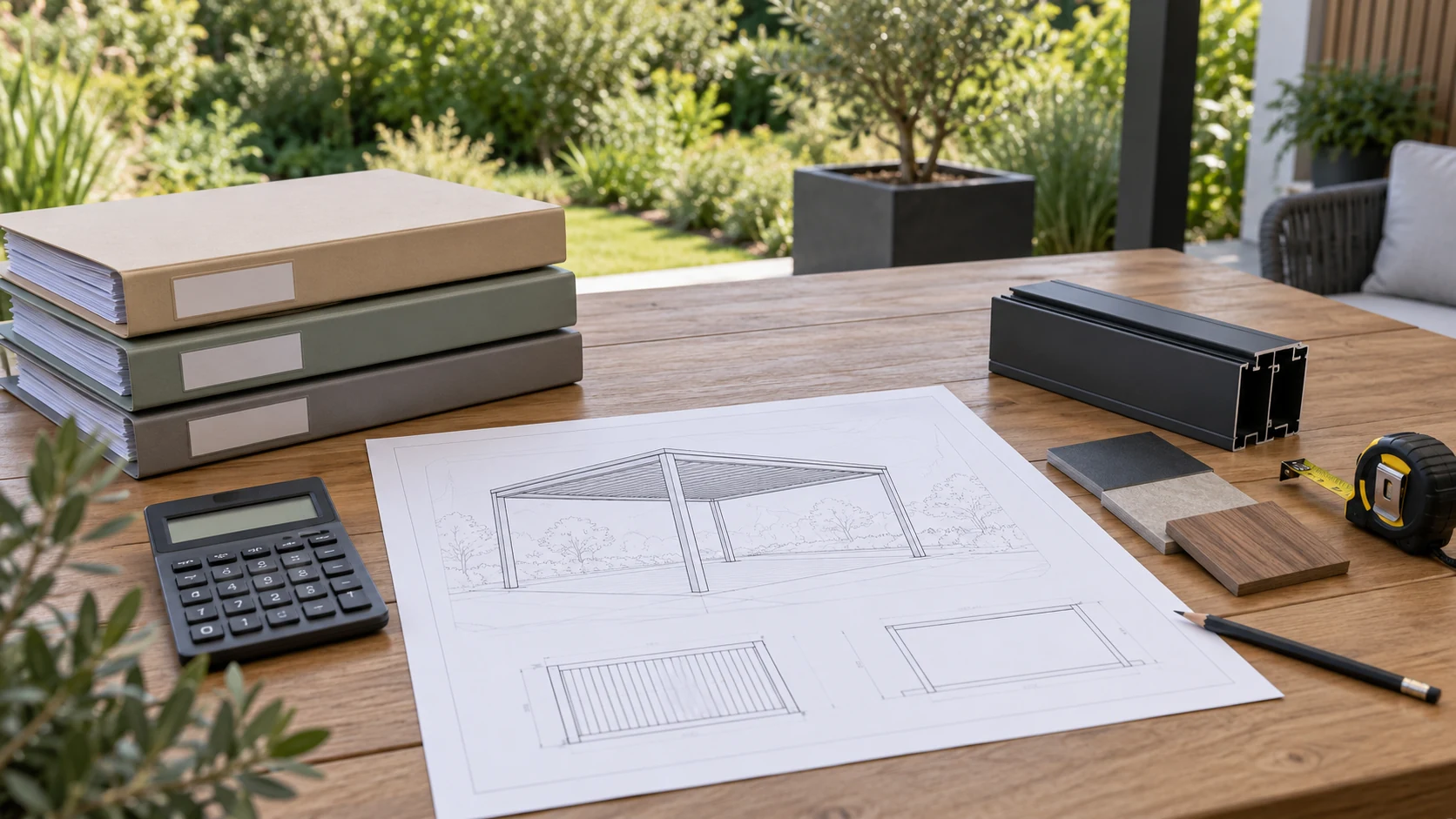
Test the protocol against a practical example
Imagine an order containing control accessories for two different orientations. A louver-opening demonstration alone may miss a left-right configuration error. The checklist should show each label, its drawing location and the permitted operation under safe conditions. If only unassembled parts are available, identify the combined functions that remain to be checked.
Likewise, a water-flow demonstration establishes observations under that particular arrangement, not rain protection in every condition. Record the demonstration conditions and leave uncovered questions unresolved. Follow-up then concerns missing evidence rather than arguments about promotional wording or an unsupported all-clear result.
Turn the session into resolvable findings
After the session, separate satisfactory checks, missing evidence, corrective work and items not inspected. Assign an owner and describe the additional footage, component or recheck required. Avoid a single overall score that hides unresolved details, and do not drop an issue because most other checks are complete.
Have the designated reviewer update the order's acceptance status. Keep original files and the final record for comparison with packaging and goods at delivery. Later discrepancies can then be traced through the same inspection reference. At the follow-up, identify which findings are closed and which remain open. Continue using the original issue list so a fresh demonstration does not obscure unfinished work.
- Agree objects, steps, revisions and acceptance conditions beforehand.
- Keep context, labels, measurement positions and key sequences visible.
- Track uninspected and corrective items separately until resolved.
Can an existing promotional video serve as order inspection?
It can illustrate appearance or operation, but it does not automatically establish the configuration, quantity or condition of your order. Acceptance material should identify the order, drawing revision and inspected components, covering the agreed checks. Leave uncovered items unresolved and obtain measurement records or other evidence where needed.
More questions, practical answers →