Installation & care
Drips under a pergola: record the pattern before calling it a leak
Use timing, weather and droplet distribution to build a useful observation record for condensation or rain-entry investigation, without guessing the cause remotely.
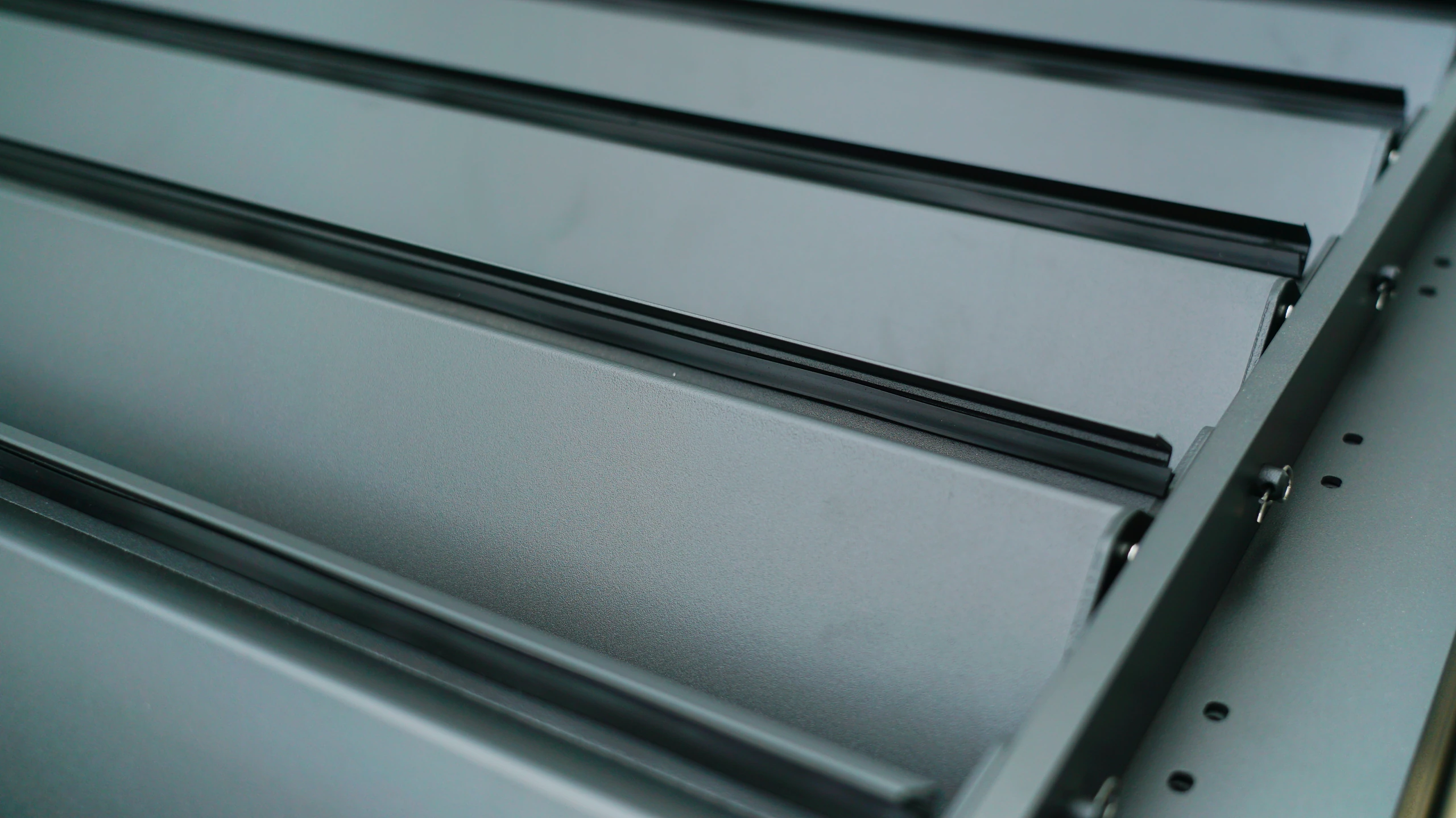
Start with when and where it appears
Moisture can reach a surface through rain entry or form there by condensation when conditions allow. The visible drip may also be displaced from its original source as water travels along a component. Note whether the event follows rain, occurs on a dry morning or appears after roof movement. Record whether droplets are widespread or concentrated at one joint. These observations guide the next questions; they do not establish a remote diagnosis. A short clip showing the whole affected area and weather context is often more useful than a close-up of one drop with no information about the preceding conditions.
Separate observation from a repair decision
A pattern associated with rain may suggest checking drainage and interfaces; a different pattern may lead the investigator to consider condensation and ventilation. Both mechanisms can coexist. Adding sealant wherever water is seen may conceal evidence or affect a designed water route, so ask the responsible installer to review the cause first. If a test is needed, its method should be agreed for the actual system and site. Owners should not climb onto the roof, spray electrical components or dismantle covers to reproduce a condition. The goal is a controlled investigation, not a dramatic demonstration.
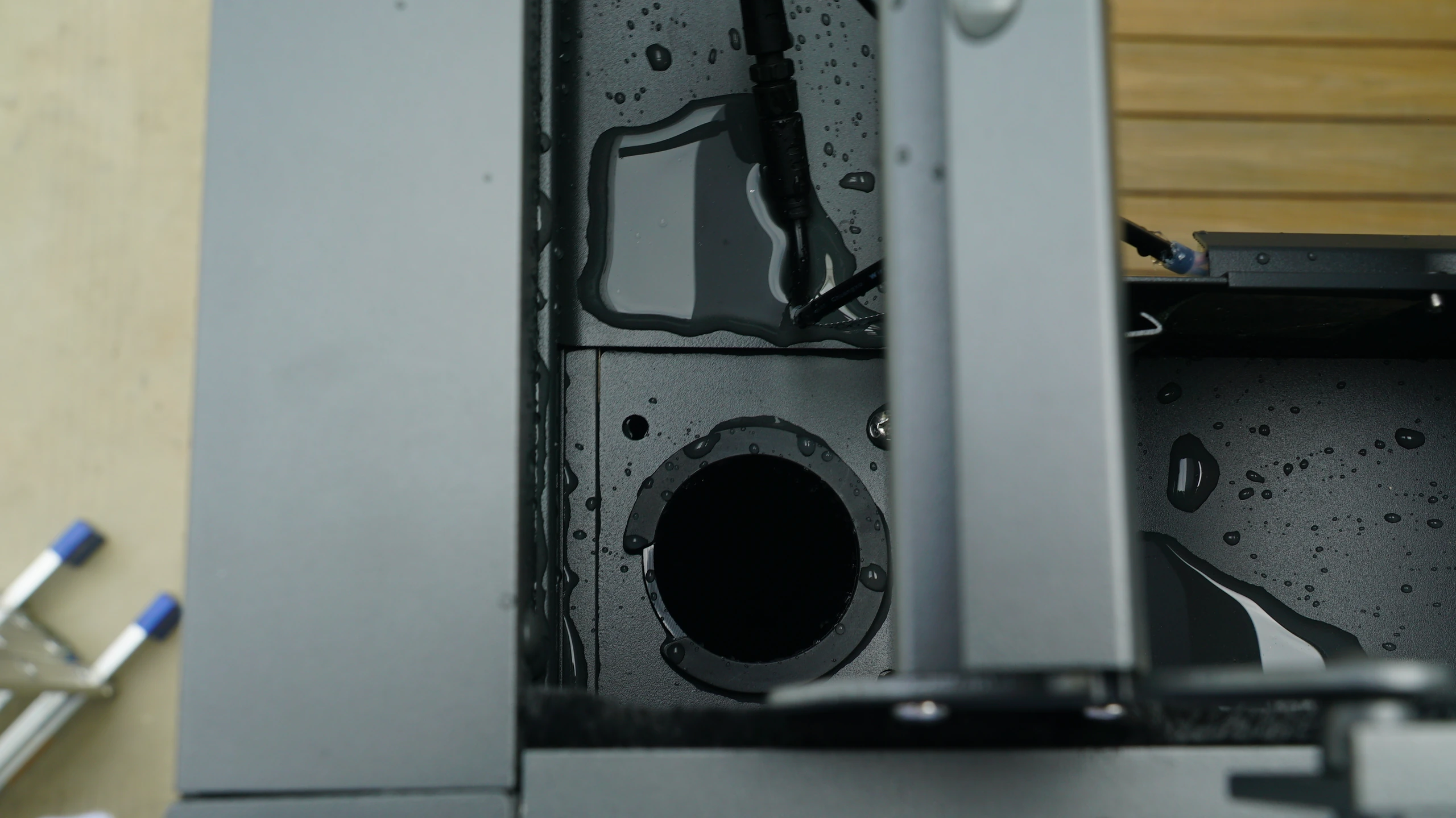
Compare two mornings without jumping to conclusions
Imagine one morning with scattered droplets beneath many louvers despite no recent rain, and another event where water appears near a wall joint during wind-driven rain. Treating both as one identical fault may lead to an unhelpful repair request. Give each event its own time, weather, roof position and photographs. The installer can then decide what to inspect and whether separate mechanisms are involved. This hypothetical comparison illustrates useful evidence, not a diagnostic rule: absence of rain does not prove condensation, and a wet wall joint does not by itself identify the entry point.
Keep a short, repeatable event log
Use one log format with date, weather, roof and side positions, affected area and recent maintenance. Keep photos from similar viewpoints so changes can be compared. Send the record with the order identity and any relevant installation detail. For a TTH discussion, describe the symptom without assigning a cause or claiming the entire system has failed. A clear sequence allows the responsible team to propose a proportionate investigation and later compare the outcome with the original observations. Protect moisture-sensitive furniture or equipment according to its own requirements while the cause remains unresolved. Do not leave those protection needs entirely dependent on one attempted repair. Continue using the same event-log format so that the observations before and after the work can be compared fairly.
- Record time, recent weather, roof position and whether the pattern is local or widespread.
- Keep rain events, dry-morning events and post-operation drips as separate entries.
- Request investigation before applying sealant or changing the drainage arrangement.
Do droplets on the underside of pergola louvers prove the roof is leaking?
No. Rain entry, retained water and condensation can produce different or overlapping observations. Record timing, weather, roof movement and droplet distribution, then have the responsible team investigate. A photograph of a drip alone does not establish the source or justify an immediate sealant repair.
More questions, practical answers →