Trade & procurement
Check whether a pergola test report matches the proposed configuration
Review pergola report identity, sample dimensions, connections, anchorage and test conditions before applying a result to a project.
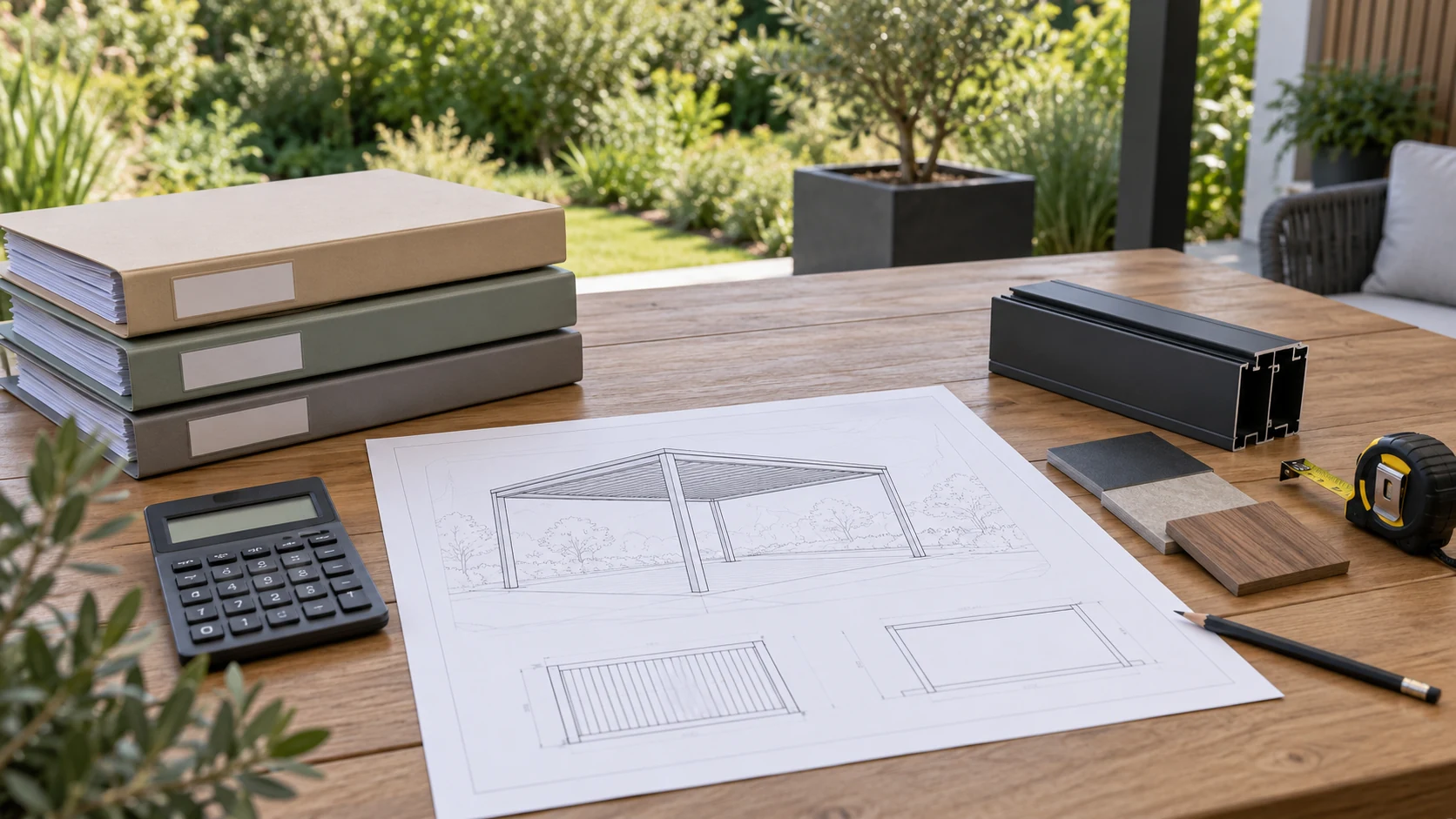
Establish the identity of the report
When receiving pergola test material, check completeness and identify the issuer, report number, client, sample, date and method. A cover page, laboratory logo or cropped pass statement does not explain the work performed. Obtain the material needed to read results and limitations, then verify authenticity and scope where appropriate.
Laboratory accreditation and product certification are different concepts. ILAC explains that accredited laboratories perform activities within their accreditation scope and that ILAC itself does not issue product test reports. An accreditation mark should not become a claim that every product, configuration or market has automatic approval.
Compare the sample with the quoted configuration
Compare the tested sample with the proposed model, dimensions, support count, connections, foundation or anchorage and included enclosures, drives or accessories. A shared series name does not establish identical conditions. Results from a smaller specimen cannot simply be extended to a larger opening or different installation arrangement.
Record discrepancies for the appropriately qualified designer or reviewer to assess whether more evidence is needed. Do not focus only on wall thickness or one wind-speed figure, because several elements can affect overall behaviour. Purchasing should expose and resolve differences, not calculate a new structure's capacity from an unrelated report.
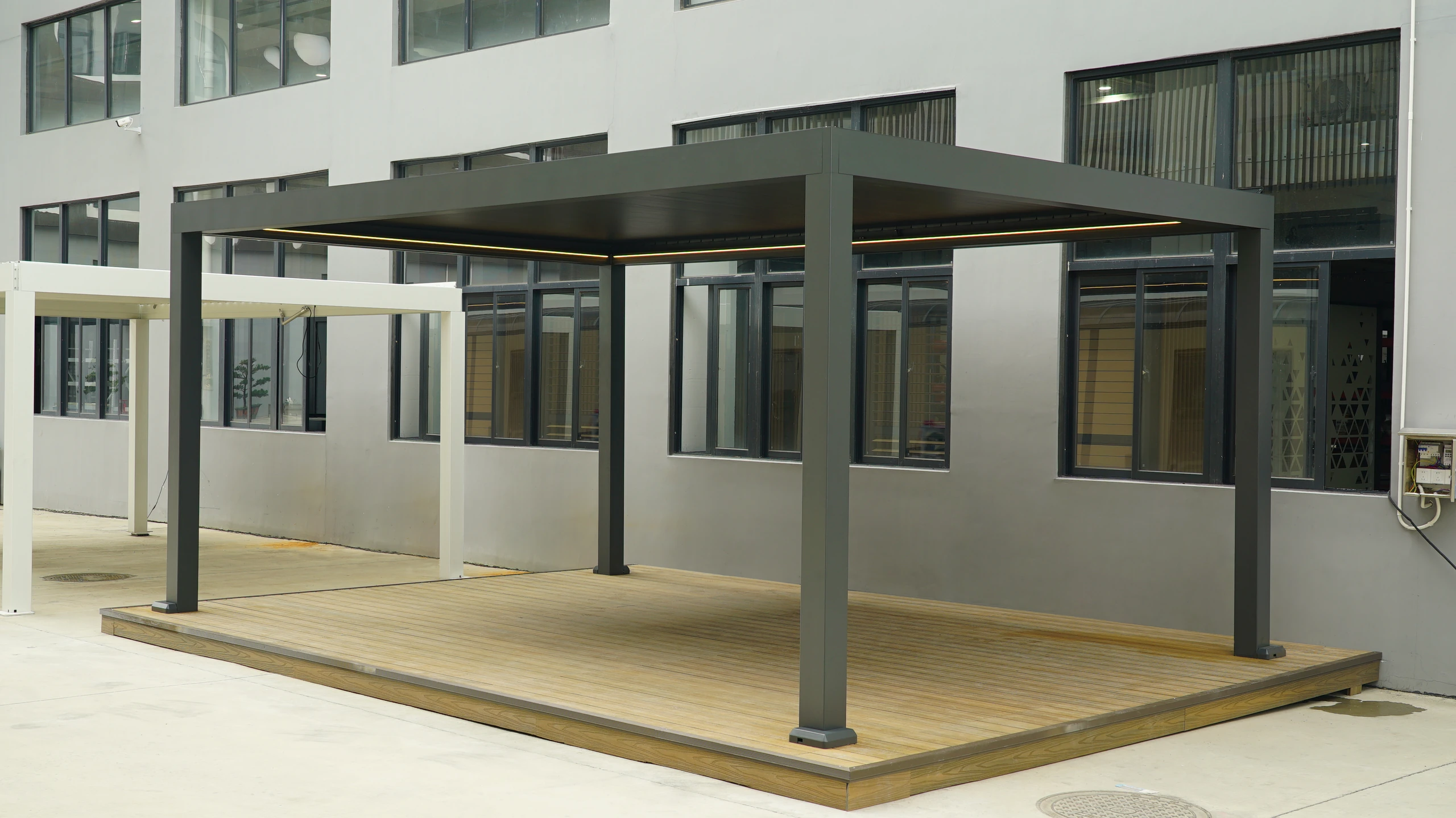
Read the conditions behind the result
Suppose two brochures display similar wind figures, but one comes from a documented test arrangement and the other gives no calculation or testing method. Similar numbers are not necessarily comparable. Examine the loading method, application points, sample condition, acceptance criteria and limitations, and establish what the reported quantity means.
The site requirements must also be determined separately. ASCE's hazard tool provides location-based design parameters, but that does not mean any tested pergola is suitable there. Project review must connect site requirements with product evidence; a report does not replace permits, engineering review or verification of installation conditions.
Record the applicability decision with the order
Record which document supports each requirement, the configuration revision covered and remaining installation conditions. Attach reports to the order, but do not equate more attachments with stronger evidence. A clear cross-reference is more useful to later reviewers.
Recheck affected conclusions when dimensions, connections, accessories or the site change. Verify the delivered product's identity so the reviewed configuration is not silently substituted. Limit promotional statements to what the evidence supports rather than turning one test into an unconditional performance promise. Include the relevant report pages in the review record so later users can inspect original conditions instead of relying only on a secondary summary.
- Check report identity, completeness and laboratory scope.
- Compare dimensions, supports, connections and anchorage.
- Record project applicability and review changes.
Does a test on a smaller model cover a larger size in the same series?
Not automatically. Changed dimensions can alter spans, supports, connections and loading conditions. The report establishes results for its described sample and method. Have the proposed size and configuration reviewed for explicit coverage, calculations or additional testing before deciding project applicability.
More questions, practical answers →