Large pergola projects
Turning hotel pergola comfort complaints into actionable observations
Link comfort feedback to seats, times and configurations so hotel teams can assess the next action.
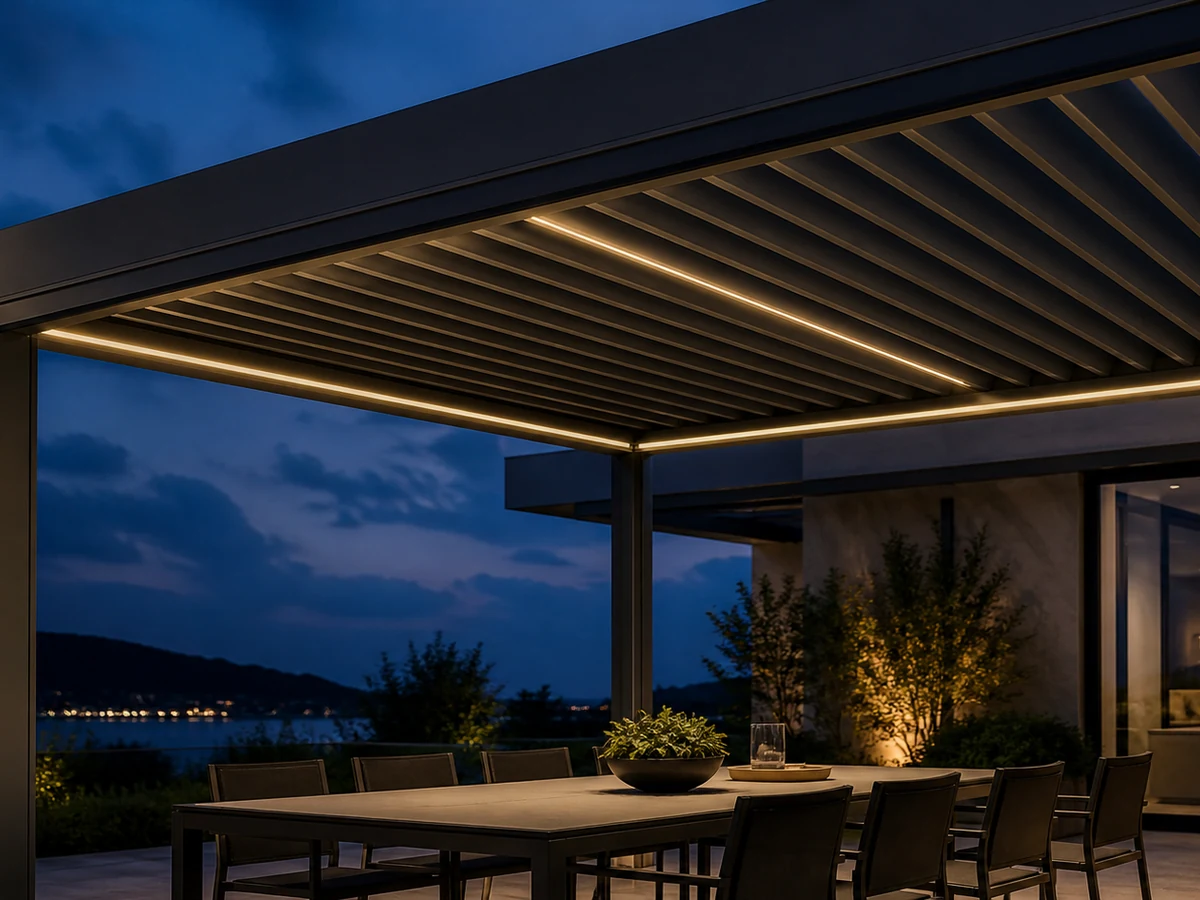
Retain the reported experience accurately
When guests report that a pergola feels dark, stuffy or uncomfortable, record location, time, activity and configuration while preserving their meaning. A subjective experience is a valid service signal but not an established product defect or design finding. Add staff observations separately from reported statements so retelling does not change the evidence. This guide provides no health diagnosis or universal comfort threshold. It makes the issue locatable and transferable, allowing actual equipment, use conditions and appropriate professional advice to inform the next action.
Keep observable conditions together
Record visible lighting, accessory position, furniture, relevant equipment operation and nearby activities using what staff can actually confirm. Do not invent temperature, air speed or performance to complete a form, or label an unknown condition normal. Any measurements need an appropriate method and context. Record the immediate service response and subsequent feedback as well. This helps the next team distinguish an adjusted configuration, an issue still under observation and a matter requiring professional assessment rather than treating every complaint as the same type of problem.
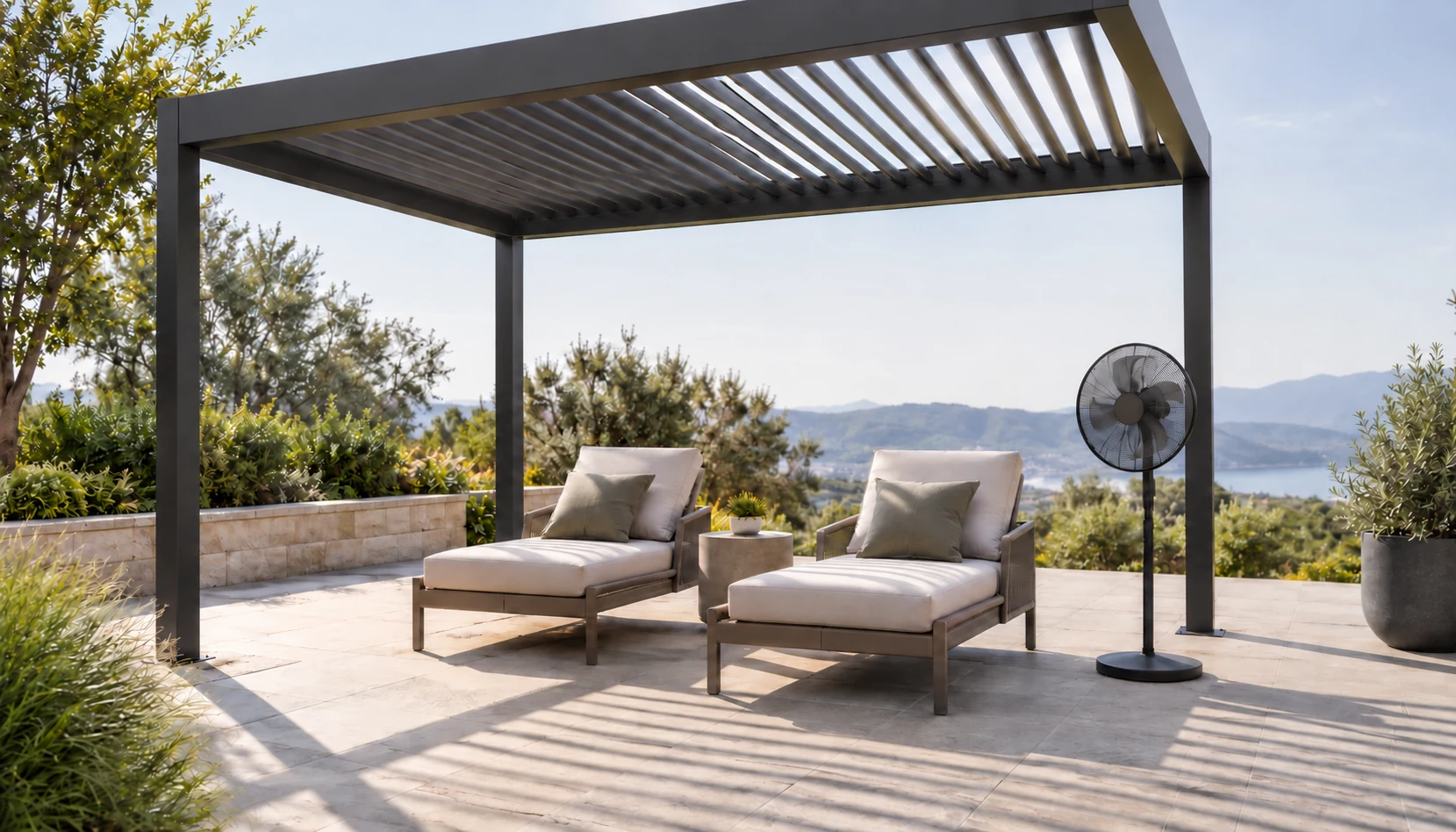
Compare different activities at the same seat
Suppose the same seat prompts no issue during coffee but feels too dark for reading a menu or a craft task. Compare activity, timing and light settings before considering adjustments; the experiences need not invalidate each other. Recheck relevant conditions afterward and keep unmatched circumstances pending. No complaints on another day do not prove resolution. The goal is a contextual comparison, not an argument over perception. If a configuration cannot support the proposed task, review the use and share its limits with booking and floor teams.
Close with actions and remaining limits
Retain the issue, assessment scope, action and recheck, assigning unresolved work. Separate configuration changes from product repairs so moved furniture does not become a false structural-repair record. Review relevant changes to seats, equipment or hours. State confirmed facts without promising satisfaction in every condition.
Keep only information needed for resolution. Location, circumstances and action usually provide more value than unrelated personal details. This gives the hotel and supplier usable evidence instead of a context-free statement that someone disliked the area.
- Record the experience, position, time and activity.
- Distinguish reports, observations and measurements.
- Recheck relevant conditions and retain unresolved items.
Does a stuffy complaint prove a pergola ventilation fault?
No. Record position, timing, activity and configuration, separating guest experience from staff observations. Assess through the appropriate team and recheck relevant conditions. Feedback warrants action but is not itself a confirmed defect.
More questions, practical answers →