Commercial projects
Clarifying pergola responsibilities on a leased commercial patio
Separate site consent, construction interfaces, asset ownership and reinstatement before ordering a custom pergola for leased premises.
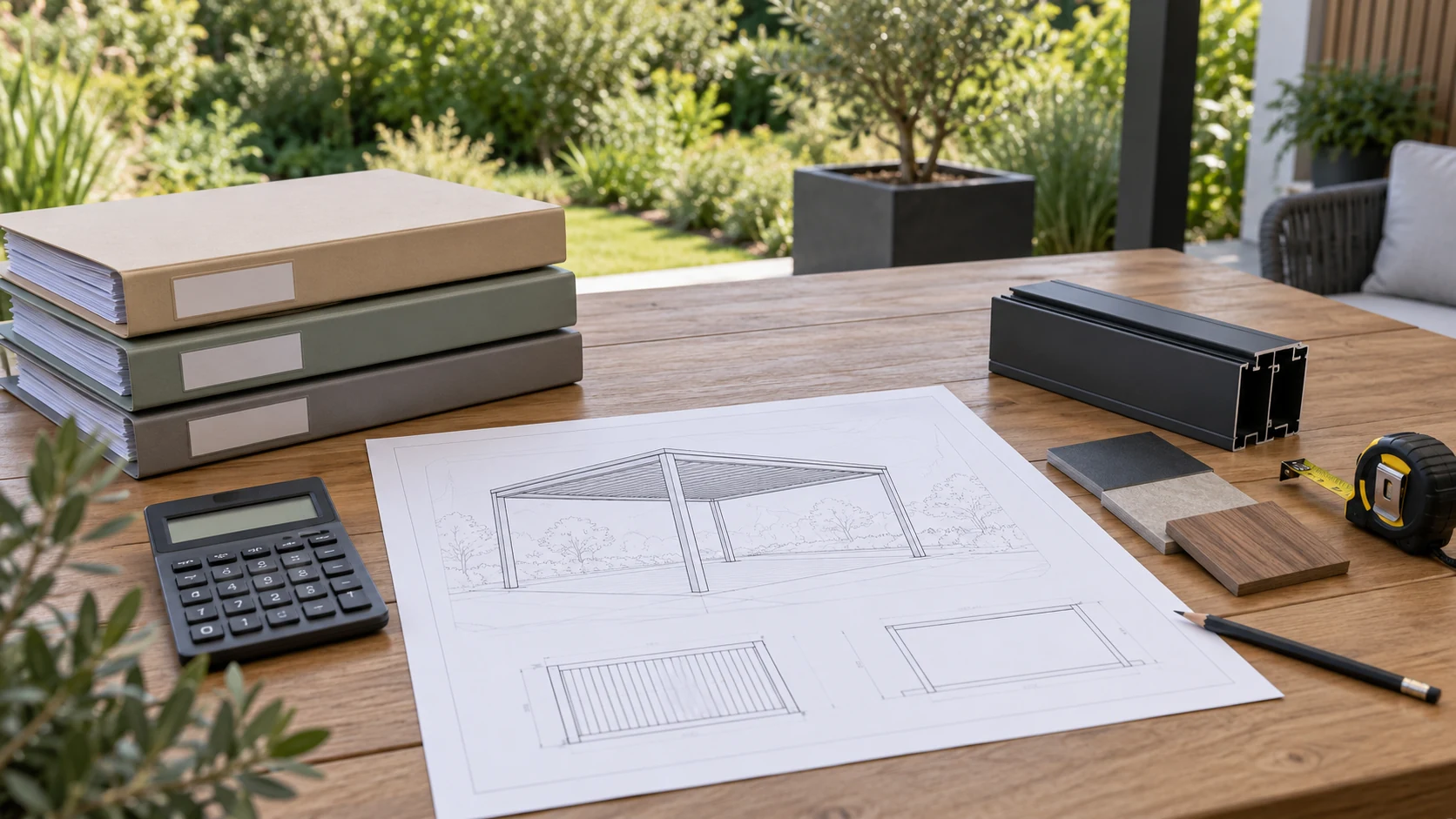
Separate use of the patio from alteration consent
Permission to place tables on a patio does not automatically authorise drilling, wall connections, drainage changes or fixed electrical equipment. Collect the lease, property-management requirements and existing written consents, separating permitted work from unresolved matters. This is a procurement coordination checklist, not an interpretation of a lease’s legal effect. Have appropriate local professionals review contract, approval and insurance issues. Clear boundaries give the supplier a stable basis for a custom proposal.
Identify responsibility for each interface
A patio can involve structure, waterproofing, façade, communal drainage and shared electrical supplies under different responsibilities. Mark every proposed interface and identify who can approve it, who designs the detail and who inspects completed work. Do not assume that permission to use the floor includes authority to decide waterproofing arrangements above another tenancy. Disclose designated-contractor requirements or restricted work periods at quotation stage so installation cost and timing are not based on invalid assumptions.
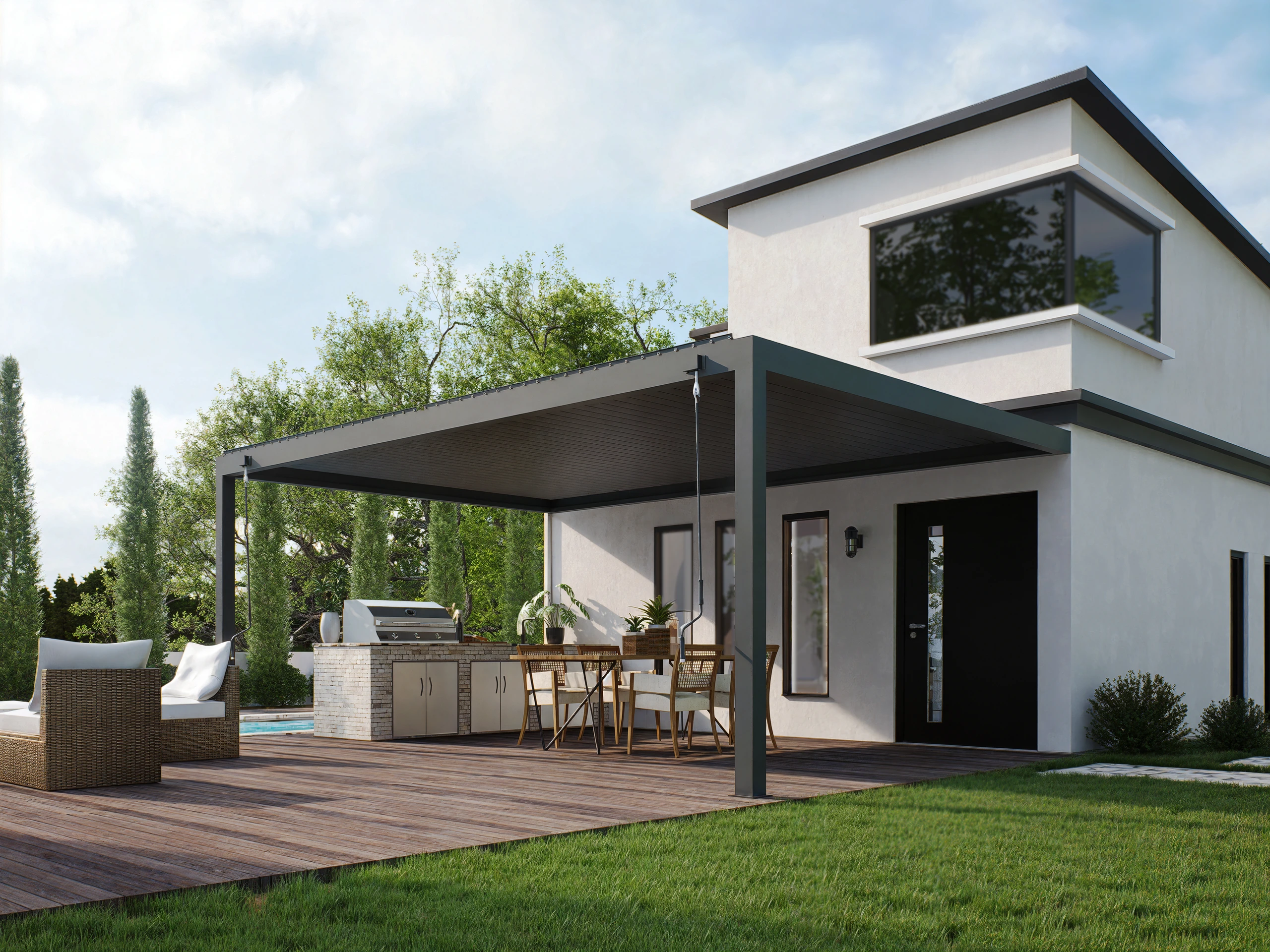
Discuss the physical work at lease end
Removable needs a precise meaning. Discuss who handles foundations, holes, cables and surface restoration after frame removal, who owns recovered materials and whether reuse elsewhere is feasible. Bolted construction does not imply a mark-free installation or direct relocation. A future move also involves dismantling, packing and a new-site assessment. Listing physical reinstatement tasks is more useful than a brief instruction to remove the pergola at lease end.
Align order milestones with key decisions
Before custom manufacture, distinguish approved items from dimensions still awaiting survey. Track product design, structural interfaces, property consent and construction arrangements as separate milestones instead of one general approval. If the property manager requests a change, review affected drawings, materials and cost before proceeding. Where important conditions remain uncertain, progress reversible design work without prematurely freezing a proposal solely to meet a delivery target.
Prepare records for a future manager
Records should let a future manager understand the permitted configuration, maintenance access and fault contacts. Keep approved drawings, conditions and as-installed photographs, identifying whether later lights, enclosures and signs fall within the original consent. This reduces repeated discussions when operations change and helps compare the actual installation at lease end.
- Distinguish permission for site use, fixed alterations and equipment.
- Name the responsible party for each structural, waterproofing and service interface.
- List ownership and reinstatement work for written confirmation.
Does permission for outdoor tables mean a landlord has approved a fixed pergola?
These permissions should not be assumed equivalent. A fixed pergola may affect anchoring, walls, waterproofing, drainage and electrical work. Check the lease, property conditions and written consents with appropriate local professionals, and clarify ownership and reinstatement before custom manufacture.
More questions, practical answers →