Retractable awning choices
A temporary patio socket is not a complete awning power plan
Include equipment power requirements, cable routes, controls and electrical work in the project scope, with appropriate confirmation before finishes are completed.
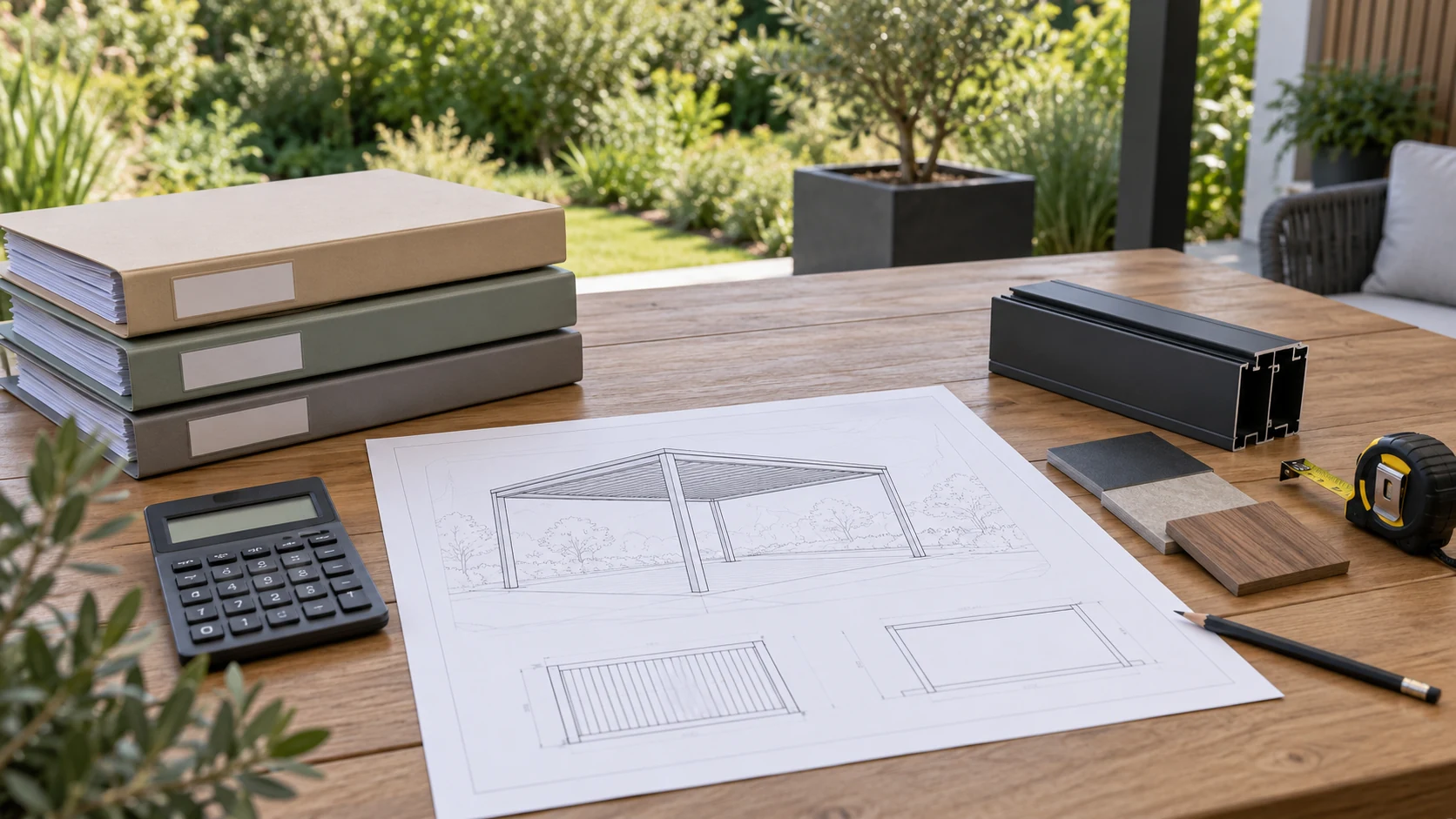
Start with the equipment requirements
A temporary patio socket shows that some power is available, not that it suits the permanent awning installation. Obtain documentation for the selected drive and controls and give it to an appropriate electrical professional to assess the site and required work. A small-looking motor or a working unrelated appliance does not establish suitability. Supply known power locations, available circuit records and intended use, leaving missing information for assessment. This makes power a defined part of the quotation rather than an improvised task discovered after the equipment is already fixed to the wall.
Cable routes affect appearance and maintenance
Coordinate the route with cassette ends, opening windows and doors, downpipes and future servicing. Appearance preferences matter, but concealing cables should not block required access. Ask the installer and electrical provider to mark their interfaces on one drawing, assigning equipment information, site work and finish reinstatement. Wiring methods and protective equipment need assessment against local requirements and the actual system, rather than a generic guide. State the boundary between electrical work and equipment installation in the quotation so neither provider assumes the other has included an essential task.
Distinguish demonstration power from final delivery
A temporary arrangement used for one commissioning demonstration does not mean the permanent electrical scope is complete. Have the providers state the final intended condition, outstanding work and whether use is permitted before completion. Record equipment operation and electrical handover separately; one does not replace the other. Check the final arrangement against furniture, circulation and cleaning access. Do not turn a temporary extension route through thresholds or activity areas into an assumed permanent solution, or modify plugs and connections to make an incomplete installation appear operational.
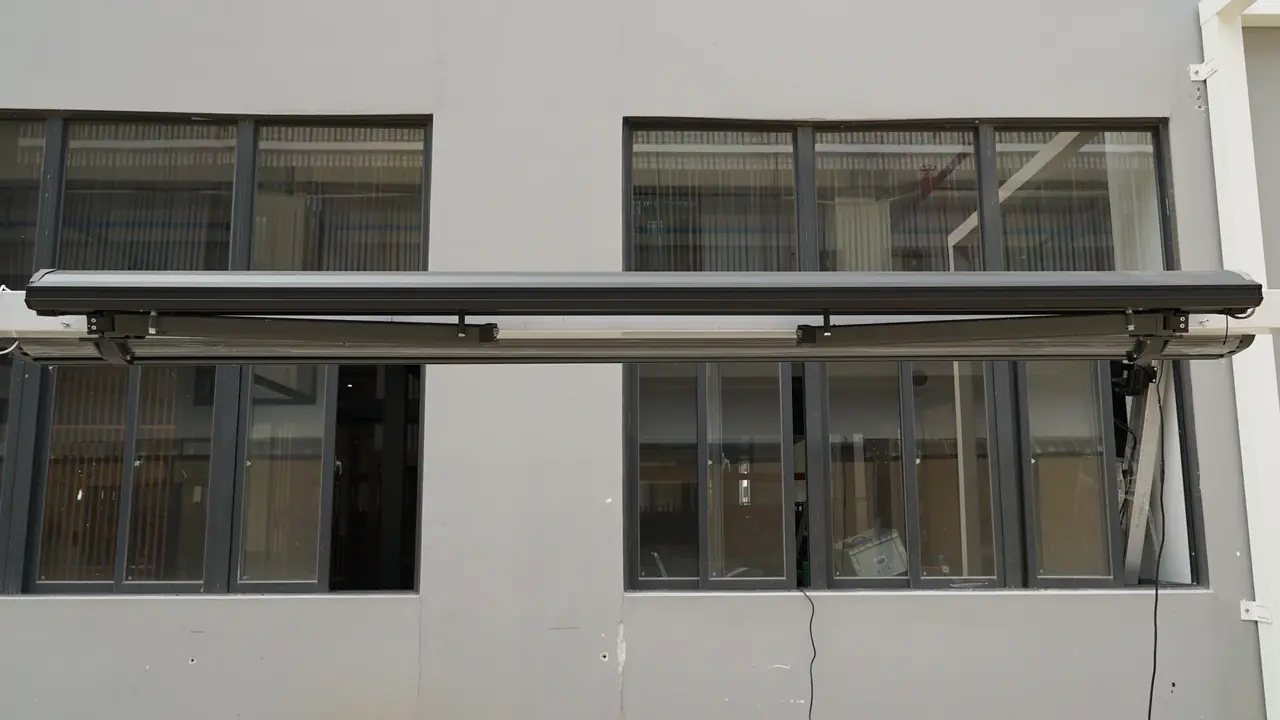
Give future service providers useful records
Retain equipment identifiers, electrical handover information, confirmed route records and contacts for later servicing or facade work. Users should understand ordinary controls and who handles faults, rather than opening electrical components to investigate. Recheck requirements when adding sensors, lights or connected controls. Budget for the complete site work needed to realize the motorized proposal; comparing equipment price alone can conceal later cable and reinstatement costs. A defined power plan links installation, ordinary use and maintenance through clear responsibilities instead of leaving each stage to reconstruct the previous one.
- Provide actual drive and control documentation to the electrical provider.
- Coordinate routes, service access and finish reinstatement.
- Distinguish temporary demonstrations from final handover and keep records.
Can an existing patio socket simply power a new motorized awning?
An appropriate electrical professional must assess the actual equipment and site; the existence of a socket or a working appliance is not enough. Coordinate routes, controls and final delivery scope. Temporary demonstration power is not permanent completion, and later lighting or automation additions need a requirements review.
More questions, practical answers →