Large pergola projects
Games and conversation at the same time in a family pergola
Coordinate games and conversation through sound, table changes, storage and simple family agreements.
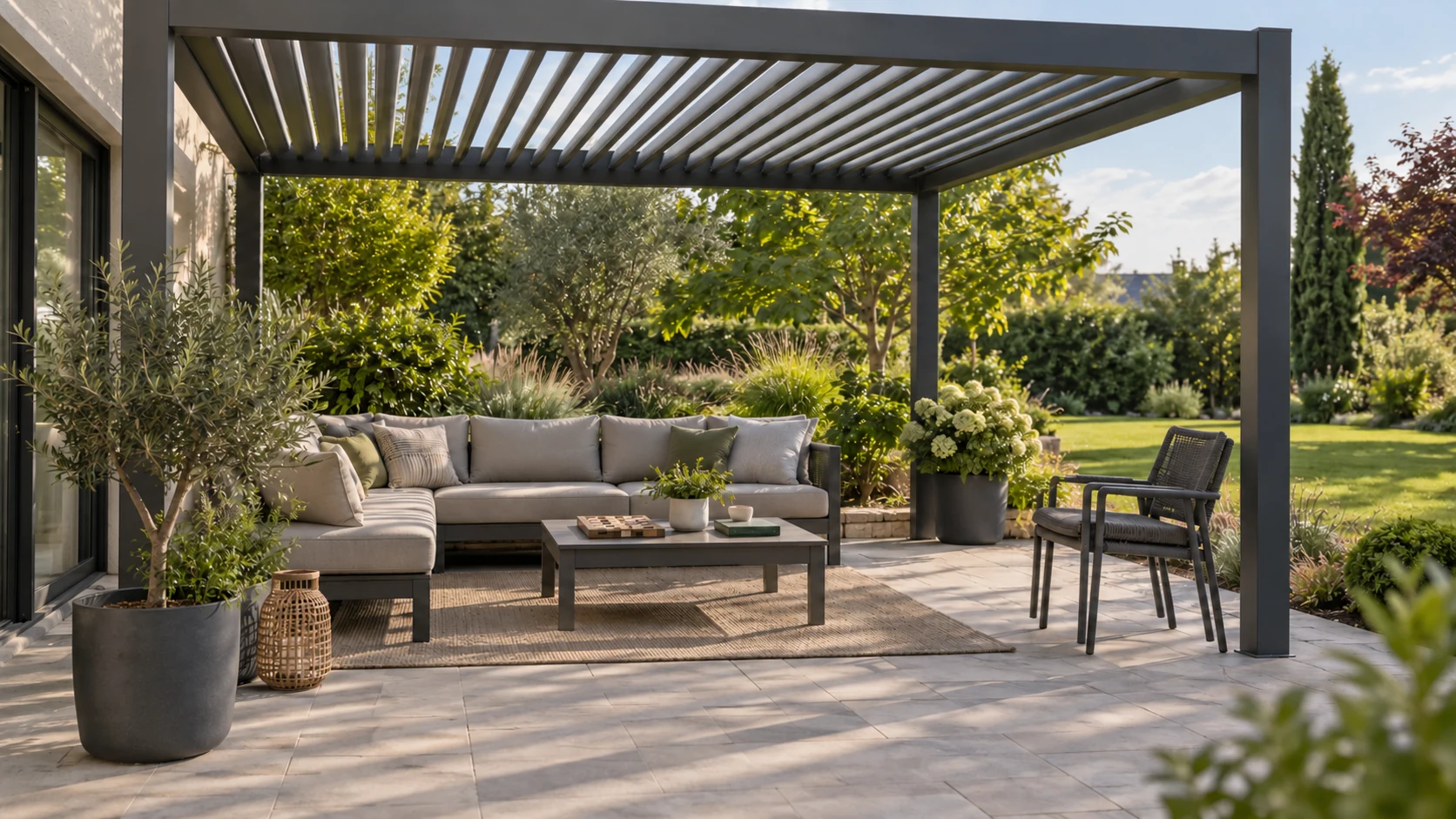
Assess activities while they happen together
A large pergola can host different interests, but simultaneous games, video sound and conversation can still conflict. List the combinations that actually occur, such as board games with conversation or electronic games with reading. Distinguish competition for a table from competition for quiet. Showing activities separately on a rendering does not demonstrate that they work together. Ask family members which activities and times matter most and establish shared priorities. The objective is a place everyone wants to return to, rather than the maximum number of functional labels on a plan.
Handle sound and table use as separate issues
If competing audio is the issue, agree volume, timing or suitable individual listening arrangements, following equipment instructions and personal needs. Raising the other group’s voices is not a useful solution. If both activities need the same surface, compare a separate small table, easily packed games and different time slots. Extra furniture needs genuine storage rather than a permanent place in the doorway. RNID advice on background noise informs conversation needs, but screens or glass cannot be assumed to solve the site’s sound conditions. Try reversible use changes before considering assessed physical alterations.
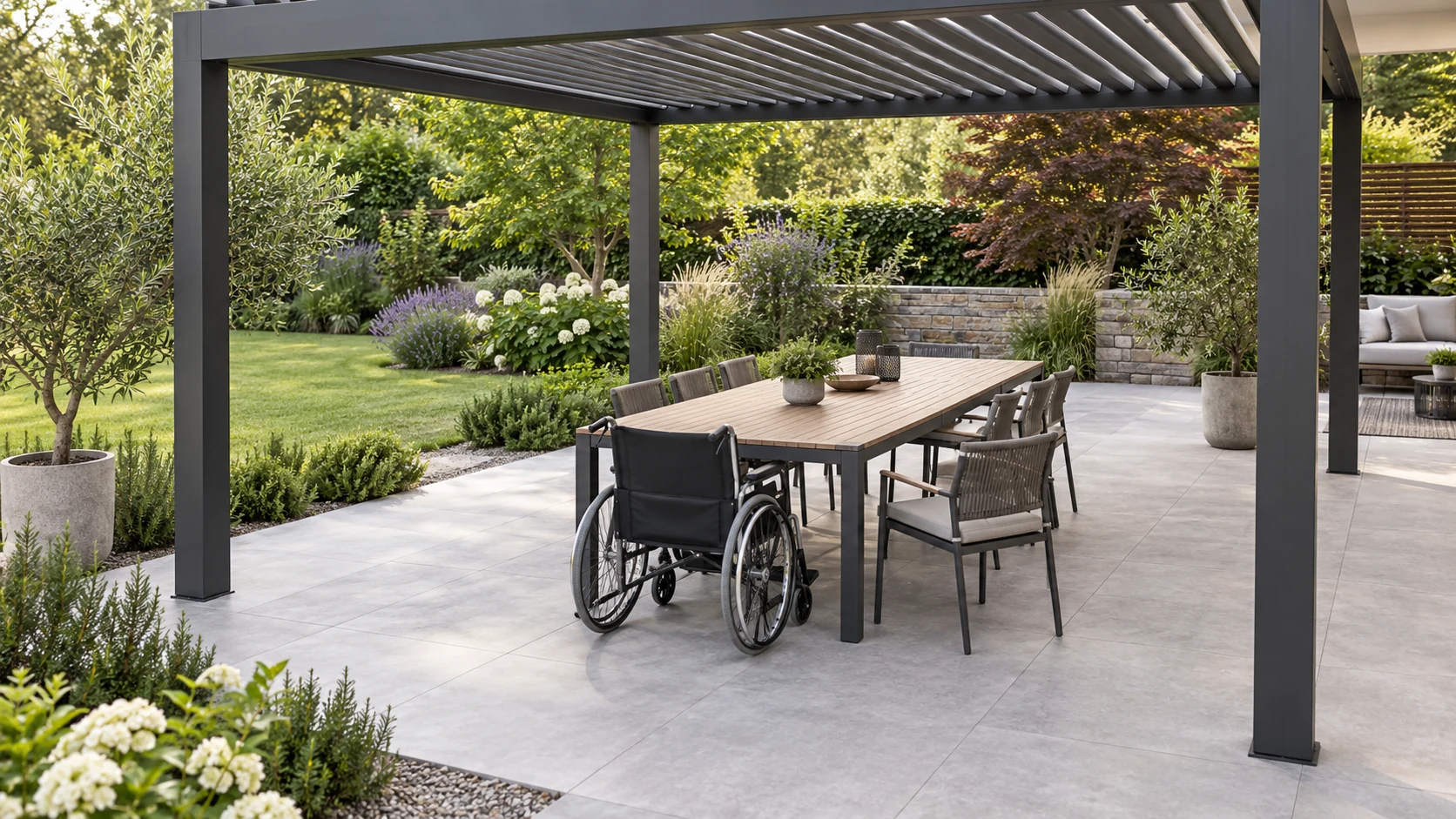
Suppose the game table becomes the dinner table
Imagine children using the dining table for an ongoing game in the afternoon while dinner is planned there later. Agree the changeover time and suitable storage that keeps the game components together. Have the person responsible check the handling task instead of improvising an unsupported board as a carry platform. If the activity does not tolerate interruption, assign another appropriate location or time. This example shows how timing can create a conflict that extra roof area alone does not resolve. Clear responsibility may be more useful than purchasing a larger table.
Keep shared use flexible
After a trial period, keep the few agreements that address recurring conflicts and that people will actually follow. Store spare seats, game boxes and portable equipment appropriately so conversation or dining can resume without complicated dismantling. Brief visitors on the current arrangement instead of expecting them to infer which table must remain untouched. Describe simultaneous use scenarios in the pergola brief rather than relying only on labels such as entertainment area. Revisit timing and storage as attendance, ages and interests change, preserving useful flexibility in everyday family life. Changing one major source of conflict at a time makes the result easier to judge.
- List activities that genuinely happen together.
- Separate sound, surface and storage conflicts.
- Agree changeover times and clearing responsibility.
Does a wide pergola eliminate the need to coordinate games and conversation?
Not necessarily. Audio, shared surfaces and clearing tasks can still interfere. Trial the real combination, ask participants and choose suitable adjustments or different times. Extra furniture also needs storage, so layout and simple agreements should be planned together.
More questions, practical answers →