Commercial projects
Hotel-chain pergola procurement: validate a representative pilot before rollout
Choose pilot sites that reveal real differences, test delivery, use and maintenance, and translate findings into defined changes for later batches.
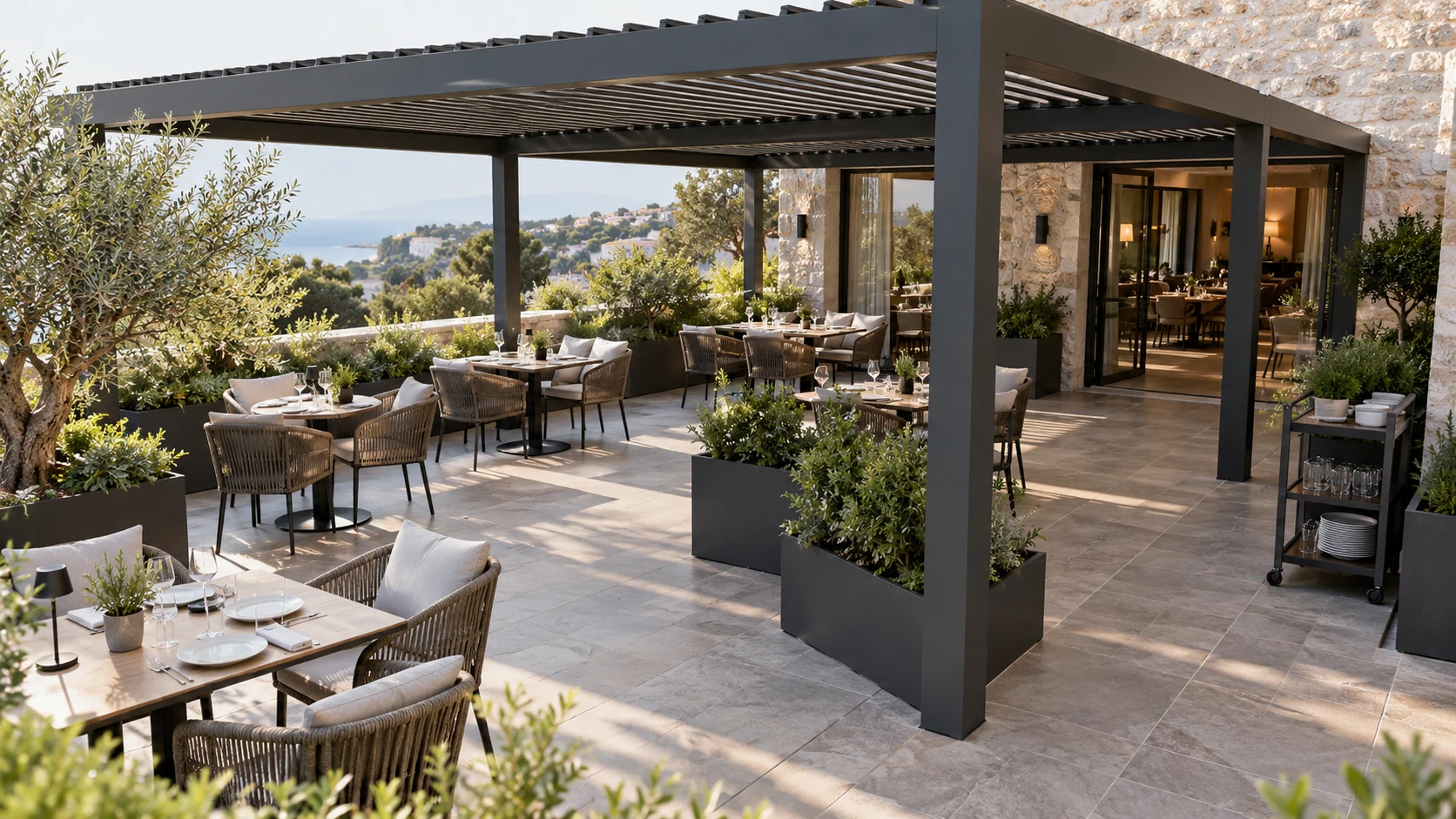
Choose a pilot that represents real questions
The easiest hotel to build at or photograph is not necessarily the most useful pilot for a chain procurement. List differences that affect delivery and operations, such as unloading, meal peaks, maintenance capability and service complexity, then choose a site that tests the important questions. One pilot need not represent every extreme, but state what it does and does not represent. The rollout can then distinguish transferable learning from matters still needing local confirmation, rather than treating an easy showcase as validation of every property.
Define the questions before installation
Give the pilot explicit questions: did carrying access match the plan, do furniture and service routes conflict, can staff operate as instructed, are maintenance documents findable, and does fault reporting work? Assign an owner and evidence type to each, such as photographs, an operating rehearsal or an issue log, rather than collecting favorable impressions alone. Set criteria around the group's needs and avoid choosing only flattering outcomes afterward. Mark weather or event states not encountered as unverified; purchasing deadlines do not justify a complete-looking acceptance conclusion without evidence.
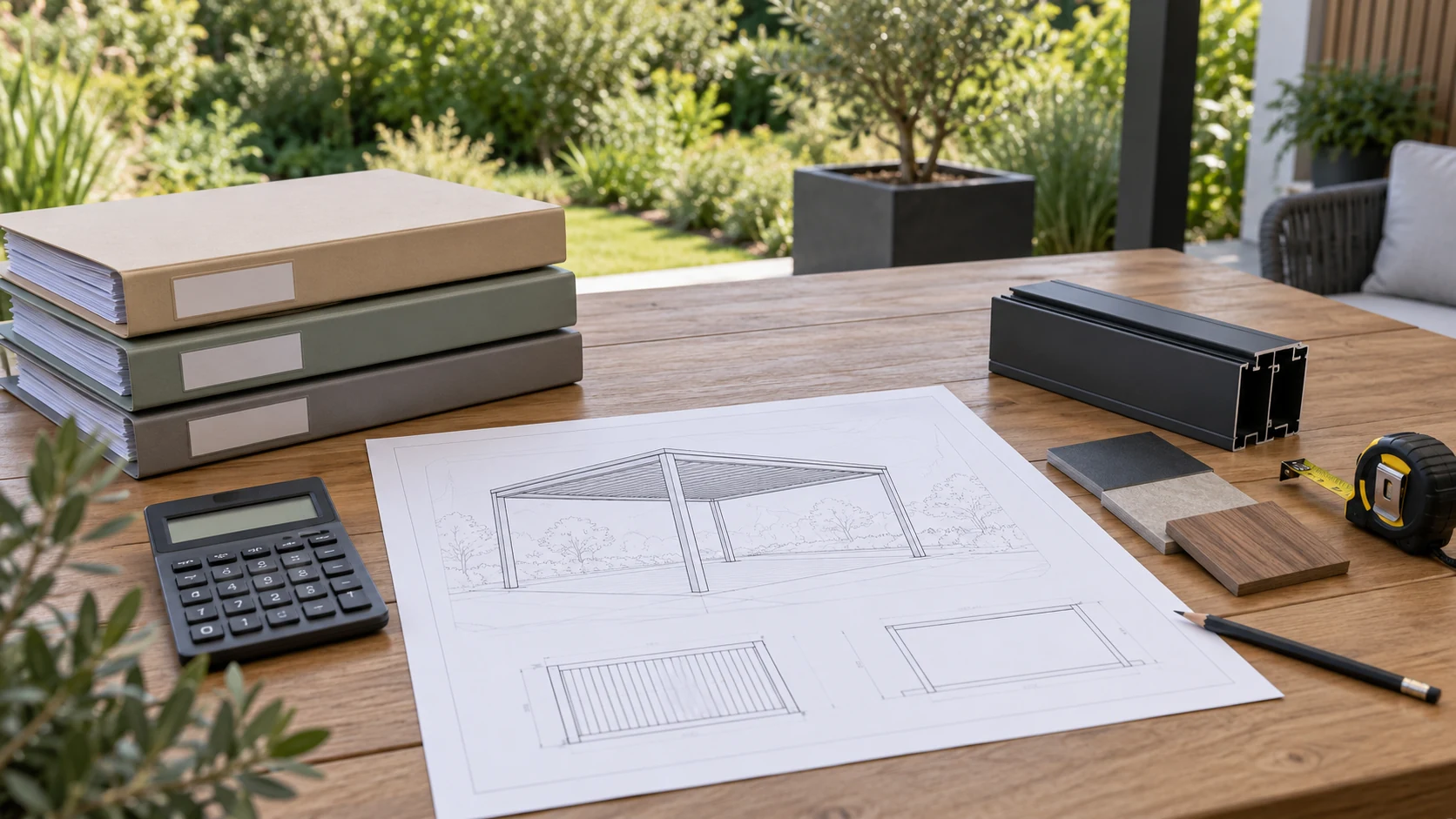
Test transfer against a contrasting next site
Imagine a pilot with a broad courtyard and easy unloading, followed by a confined urban property with difficult carrying routes. Furniture and service lessons may transfer, while transport and installation plans cannot simply be copied. Separate general process improvements from conclusions specific to the pilot, then have the next hotel compare each item. This hypothetical contrast explains the continuing need for site information without demanding identical hotels. Explicit differences support earlier adjustment more effectively than arguing later that the showcase installation worked.
Convert findings into verifiable changes for the next batch
A pilot review should do more than authorize rollout. Link each finding to a drawing, quotation scope, training, parts or handover change, with an owner and revision. Create a response plan for significant unresolved issues before deciding which similar sites can proceed; every hotel need not enter the same batch. Check that changes work when the next batch arrives and keep recording new differences. The pilot's outcome is an improved procurement and operating method, not a set of showcase photographs treated as beyond question.
Send a one-page pilot limitations note with the next batch's information. Identify environmental, activity and service conditions not covered so receiving sites know what remains to test. Stating limits preserves the value of completed learning by keeping its use within the conditions it supports.
- State represented conditions and differences the pilot cannot cover.
- Define questions, owners, evidence and unverified states in advance.
- Translate findings into revisions and verify them at the next sites.
Does one successful hotel pilot justify identical orders for every property?
Not on that evidence alone. Define what the pilot verified, then compare delivery, site, operation and service differences at each property. Turn findings into clear revisions and retain unverified states. Expand according to confirmed transferable conditions rather than copying photographs and quantities.
More questions, practical answers →