Home planning
Pergolas in hot dry climates: assess warm surfaces and airflow after shading
Observe direct sun, nearby surfaces and air movement separately during real use hours, without relying on unverified temperature-reduction claims.
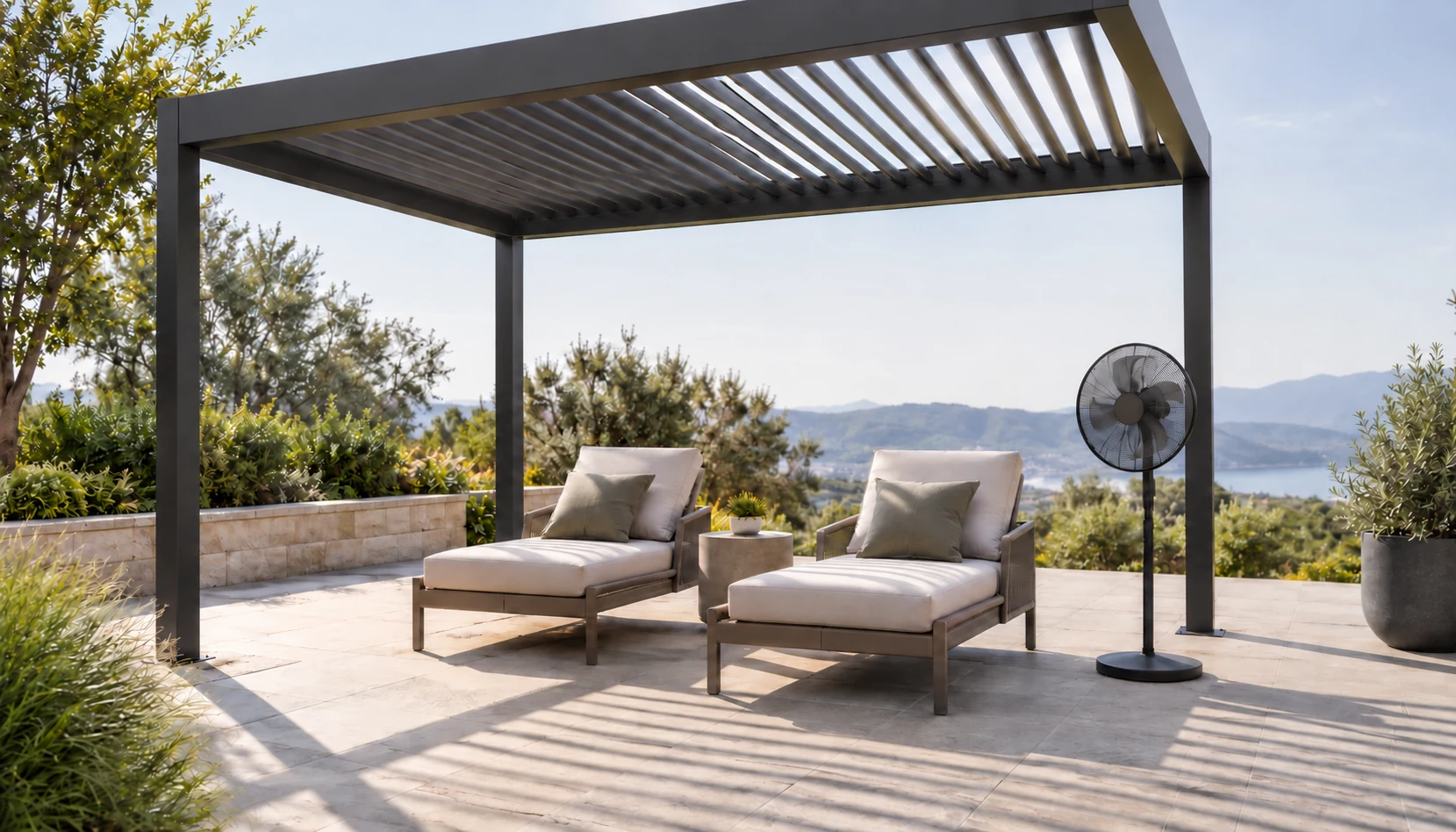
Describe the heat experience precisely
In a hot dry climate, moving into shade may not complete the comfort problem. Solar radiation can become heat, a general relationship described by the US Department of Energy, but the actual walls, paving and furniture still need observation. Distinguish glare, an uncomfortable seat surface and a feeling of still air before discussing adjustments. This does not describe any material or roof as a device delivering a fixed temperature reduction, nor does one reading establish year-round performance. A precise experience goal is more useful than a promotional number.
Look around the seat as well as above it
List the nearby surfaces: the wall behind a chair, paving underfoot, tabletop and adjacent glazing. Move and turn existing furniture first, comparing it during the same use hours before deciding on additional design changes. Review side shade together with air movement rather than enclosing every direction and expecting the same experience afterward. Color, materials and finishes need relevant information and site consideration, not a blanket declaration that one color always feels cooler. Appropriate designers can help assess the environment as a whole where needed.
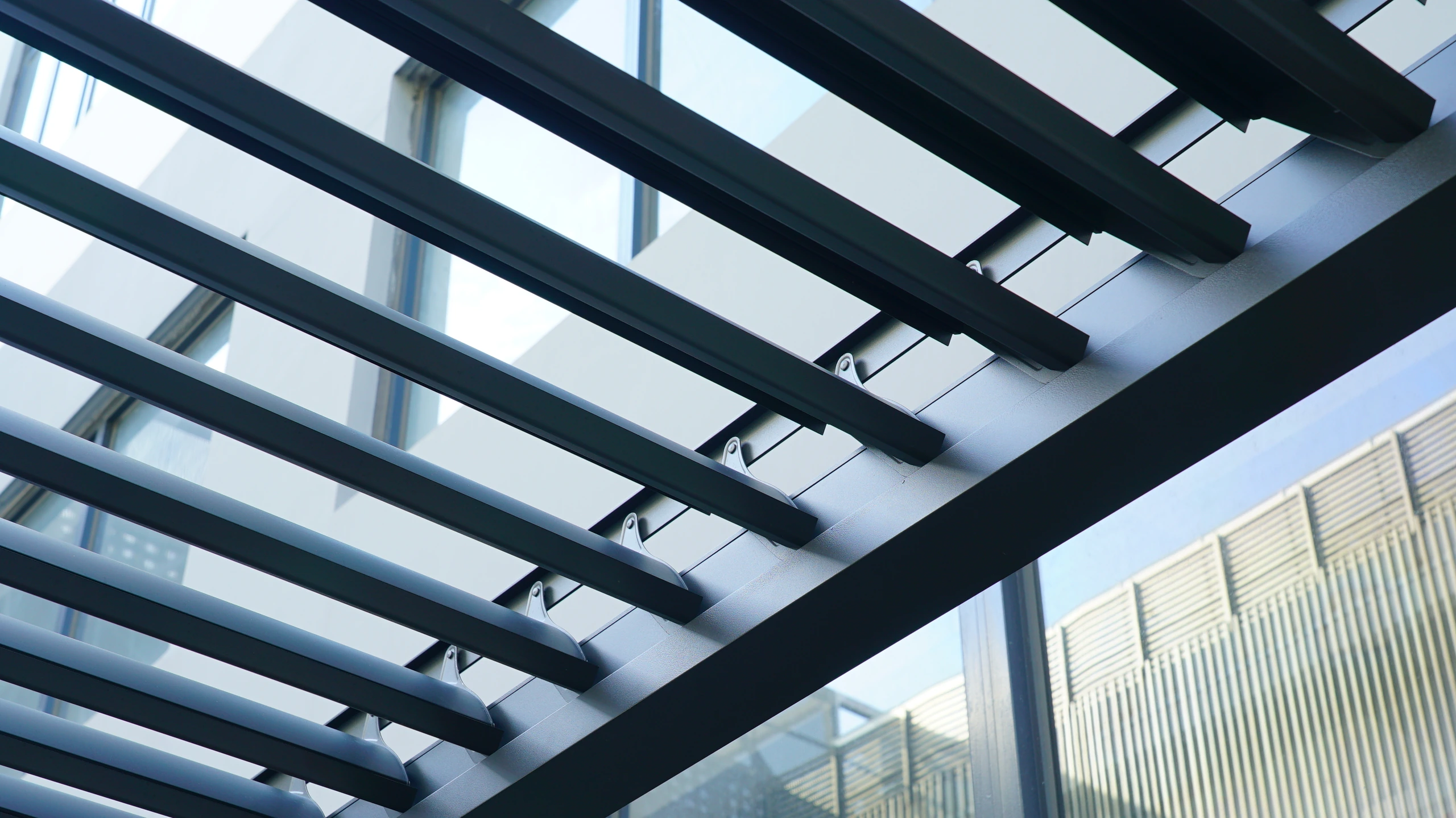
Compare hypothetical afternoon and evening sessions
Imagine a family rarely using the terrace by day but spending time there after dinner. Designing maximum shade for a noon photograph may miss their real needs. During intended use hours, try seats near the wall and near the garden, noting nearby surface comfort, wind and glare. This hypothetical example does not declare any time suitable for everyone or provide heat-health advice. Use an appropriate indoor alternative when conditions are unsuitable for outdoor activity. The planning aim is to align investment with actual routines, not promise comfort in every weather condition.
Choose accessories to address observed problems
For a fan, screen or other accessory, identify the observed problem it is meant to solve, then check its environment limits, mounting and maintenance requirements. Have powered equipment reviewed by the appropriate people rather than allowing appearance to replace technical checks. Keep trial records and compare similar times and conditions after installation. If the difference is unclear, revisit the goal and site causes instead of continually adding accessories. Describe conditions and experience accurately without unsupported temperature reductions or universal comfort promises.
If family members experience comfort differently, record their preferred places and times separately. Movable furniture and different activity schedules are also planning options. Distinguish those lifestyle adjustments from equipment functions so expectations remain specific and verifiable.
- Record direct light, nearby surfaces and air movement separately.
- Compare seats and furniture orientation during actual use hours.
- Give each accessory a defined problem, conditions and verification method.
Can a pergola guarantee a fixed temperature reduction in a hot dry climate?
Not without relevant product evidence and defined measurement conditions. Shade, nearby surfaces, wind and timing affect experience, while a single reading is not year-round evidence. Identify the main problem at the actual seat, compare suitable changes and record the conditions instead of buying by a universal temperature claim.
More questions, practical answers →