Large pergola projects
Campus Study Pergolas: Power Access and Quiet Seating
Plan campus study pergolas for quiet work, short conversations, power access and equipment storage.
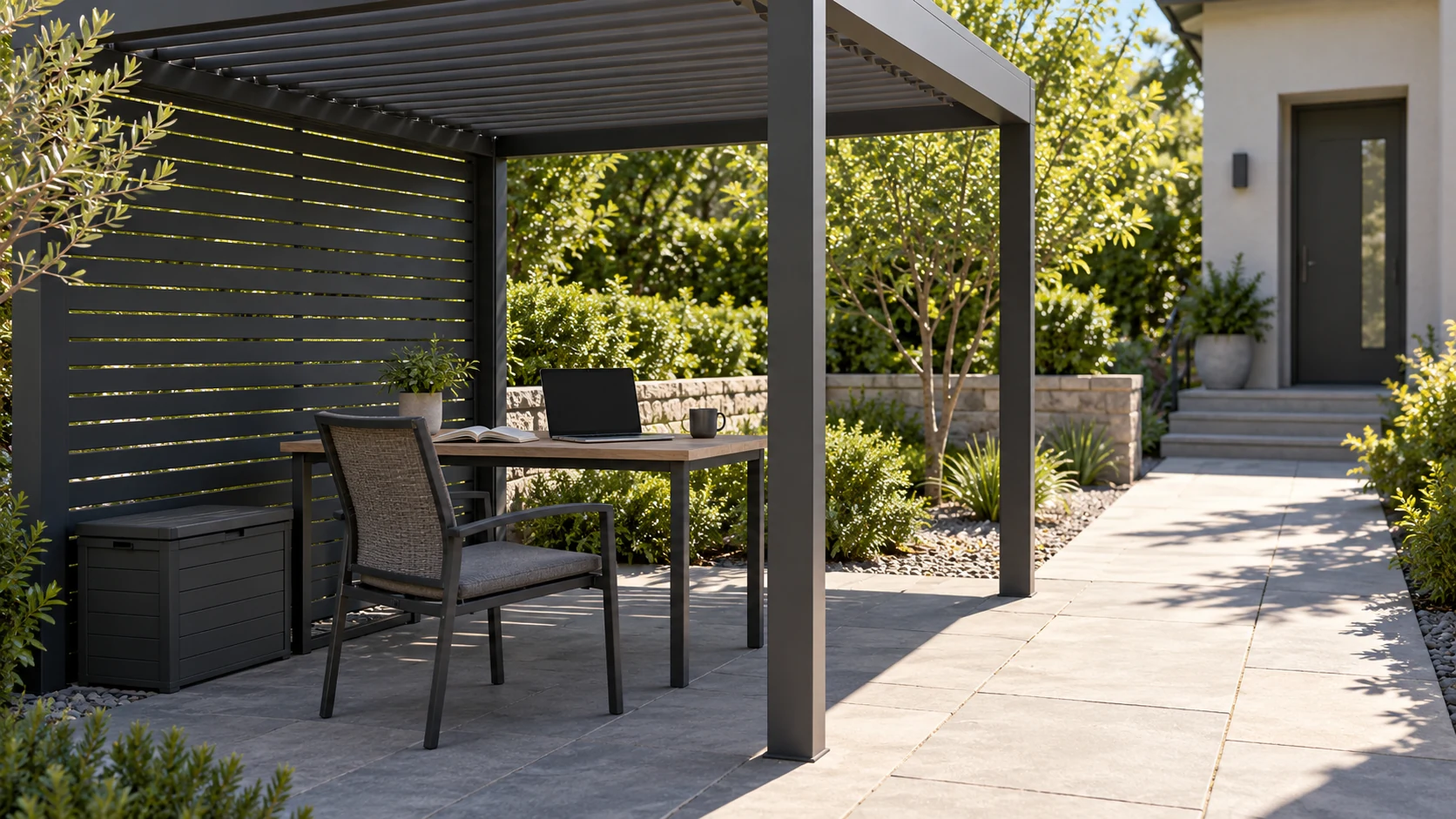
Distinguish short conversations from sustained study
Begin by distinguishing brief stops, group discussion and longer periods of reading. Seats beside a main path are convenient for meeting but may experience frequent interruptions. A quieter position still needs an appropriate approach, lighting and management arrangements. Observe class-change periods and examination-season use before choosing tables and zones. TTH200/220 may be a candidate for a larger space, but dimensions alone cannot promise study benefits or a fixed seat count. Usability comes from the combination of surfaces, furniture, weather, power and campus operations rather than one equipment choice.
Serve the seats without obstructing routes
Have qualified electrical personnel review charging needs with the proposed tables, confirming suitable equipment, supply arrangements and maintenance duties. Students should not need to stretch cables across main routes to reach power, and temporary supplies are not automatically suitable for permanent outdoor use. Accessible movement should connect campus paths to usable places at tables, rather than ending at an empty corner; apply US ADA standards only where relevant. Include bags, wheelchair users and companions in the layout. Determine socket provision through actual demand and professional design, not a simple seat-count formula.
- Observe when reading and discussion occur.
- Review power locations together with seating.
- Provide places for personal items and stored equipment.
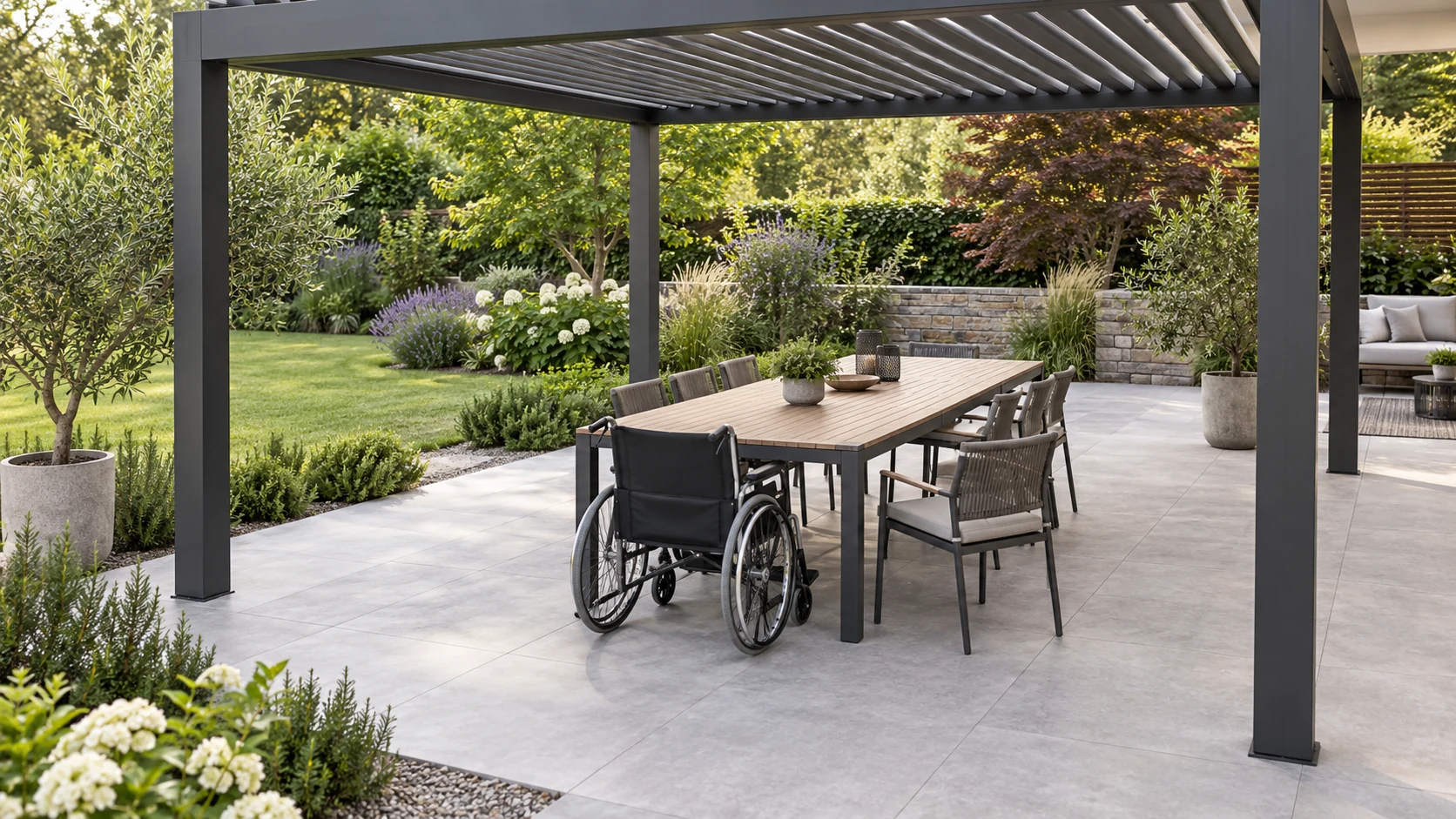
Trial the space during a busy study period
Imagine a campus initially arranging every table for face-to-face discussion. During an examination-week trial, longer-stay readers seek fewer interruptions while groups arriving from class need a brief conversation. Compare table orientation, modest zoning and booking arrangements, observing the result instead of merely adding silence signs. Include bags and charging-cable reach in the trial. If electrical provision is not confirmed, clearly state that charging is unavailable at that stage. This scenario turns feedback into design questions; it does not establish improved academic performance or a universal campus layout.
Define storage and closure arrangements
Explain when movable furniture or equipment is stored, who checks electrical facilities and how students learn that the area is unavailable. A roof alone cannot protect every book or electronic device; side-driven rain and ground conditions remain relevant. UK HSE venue guidance can inform activity and circulation review without replacing permanent-structure approval. Give designers movement patterns, furniture, electrical needs and site records for foundation and drainage assessment. Maintain fault and feedback channels after opening and adjust the layout to observed use rather than promoting an unmanaged, all-weather study room.
Does every outdoor study table need a power socket?
Not necessarily. Observe devices and stay durations, then obtain a professional power design. Review tables, accessible routes, cable protection and maintenance together. Avoid arrangements requiring leads across main paths, and clearly communicate whether charging is available while retaining usable reading places without power.
More questions, practical answers →